Key Takeaways
Created with AI - we're still experimenting, so apologies if it misses the mark
- Gen Z makes up a significant portion of gamers in Latin America, particularly in Peru, Mexico, and Colombia, with Chile having the largest proportion of millennial gamers.
- While smartphones remain dominant, PC gaming is experiencing growth, especially in Argentina and Peru, with console usage on the rise in Colombia.
- There are concerns among Latin American gamers about the impact of artificial intelligence, particularly job displacement, unauthorized use of artists work, and diminishing game uniqueness. However, there is also a degree of openness to AI-developed games.
- The Progressive Games Network (RPG) gathering at Gamescom Latin America 2026 fostered industry relationships and discussions about public policies, industry improvements, and the state of indie game development in Brazil. The event also highlighted future plans for gaming fairs in Brazil and challenges facing both domestic and international game success.
Recommended products
This page contains affiliate links. As an Amazon Associate, we earn a commission from purchases made through these links.


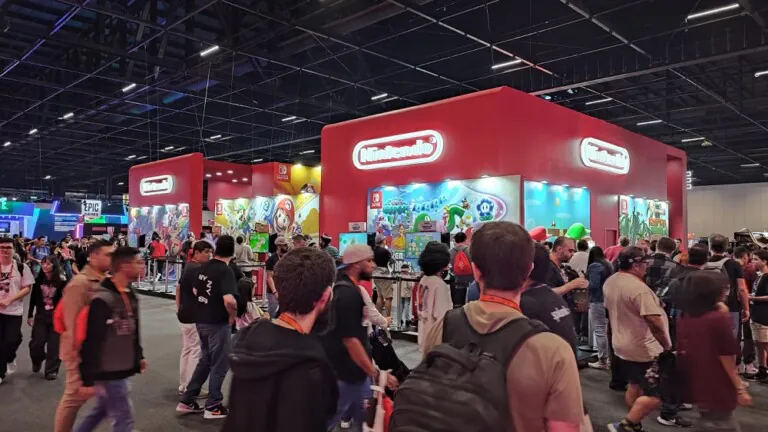
The Progressive Games Network (RPG) hosted its inaugural Progressive Gaming Session at Gamescom Latin America 2026 in São Paulo, Brazil. This event served as a platform for RPG members to discuss public policies, industry improvements, and the state of indie game development in Brazil, alongside insights on one of Latin America’s largest gaming events. The gaming landscape in Latin America is significantly influenced by Gen Z, who represent an average of 47.5% of gamers in the region. Peru shows the highest engagement with Gen Z youth at 58.4%, followed by Mexico (51.8%) and Colombia (48.1%). Chile stands out with the largest proportion of millennial gamers at 40.3%. Argentina presents a more balanced demographic, with Gen Z comprising 37.8% and millennials 35.6%. While smartphones remain the dominant gaming platform across most of Latin America, PC gaming is experiencing notable growth, reaching 17.5% of gamers. Console usage is also on the rise, particularly in Colombia, where 18.9% of gamers prefer consoles this year. However, Argentina and Peru are seeing a significant increase in PC use, diverging from the regional trend.
Despite the growing popularity of gaming, concerns exist among Latin American players regarding the impact of artificial intelligence. Approximately 40% of respondents expressed worry about job displacement due to AI integration in games. Another 36% are concerned about the unauthorized use of artists’ work by AI, and 35% believe that excessive AI could diminish the unique character of games. Conversely, these gamers show a degree of openness to AI, with about 25% considering purchasing a game primarily developed with AI, and nearly half (49%) stating they would try one. A new study titled “GTA VI: Hype, Consumption, and Gamer Culture across Latin America” is set to explore evolving purchasing habits and the influence of AI on gaming in the region. This research will also delve into changes in buying habits. The study also revealed shifts in consumer behavior, with 25% of surveyed individuals now purchasing fewer games at launch and waiting for better deals. An additional 20.8% delay purchases even for appealing titles, preferring to wait for major sales events. Only 17.5% buy games on their release day unless a significant discount is offered during launch week.
Progressive Gaming Network’s Latin America Gathering Expands Industry Relationships and Sets Stage for Future Events in 2026
The Progressive Games Network gathering took place at the Anhembi District Convention Center, a known hub for the Latin American gaming industry, which is referred to as gamescom latam. The event also included the distribution of RPG buttons and signed copies of the book “Videogame Crash: From the Legal Milestone of Games to Mass Layoffs of This Writer.” Discussions extended to the future of gaming fairs in Brazil and the challenges facing both domestic and international game success. This gathering complemented other post-Gamescom activities, such as the Game Translators Meetup, Brazil Games, Abragames associate gatherings, brand meetups, and Gamescom Latino. These interactions are vital for strengthening relationships within the growing industry. The upcoming Gamescom Latin America in 2026 is anticipated to be even larger and more strategic, building on the success of a historic 2025 edition that saw record attendance, meetings, and deals.
In Case You Missed It
In other exciting news, we’ve got you covered on two fronts – gaming and cultural initiatives in Brazil. First up, Sophie Laurent’s recent piece on Players for Life, “The Blood of Dawnwalker: It’s the New Game from The Witcher 3 Creators, But Not a Witcher 3 Spin-off” The Blood of Dawnwalker: It’s the New Game from The Witcher 3 Creators, But Not a Witcher 3 Spin-off, takes us behind the scenes with Rebel Wolves, the new studio founded by former CD Projekt Red members. They’re working on an upcoming narrative-driven RPG set in a world inspired by the Carpathians, and they’ve already got over ten minutes of gameplay footage showcasing tangible consequences for player decisions and impressive motion capture featuring Jan Błachowicz – it’s a must-see announcement!
Shifting our focus to Brazil, Marcus Thompson’s recent piece on Players for Life, “Rouanet Law in the Interior: Partnership Trains Over 4,300 Cultural Agents in Formative Workshops” Rouanet Law in the Interior: Partnership Trains Over 4,300 Cultural Agents in Formative Workshops, explores a groundbreaking collaboration between MinC, Neoenergia Institute, and SESI. Together, they equipped an impressive 4,342 cultural agents with essential skills through workshops held across the Northeast, Southeast, and Federal District regions. These efforts aim to democratize access to cultural incentive mechanisms and break historical barriers.
And there’s more to discover in Brazilian culture! Carlos Mendoza has penned an insightful piece titled “Culture Launches National Book and Reading Plan Page with Interactive Panel” Culture Launches National Book and Reading Plan Page with Interactive Panel. Published on Players for Life, this compelling article delves into the Ministry of Culture’s latest initiative – the digital launch of the National Book and Reading Plan page. Packed with interactive features like a data panel offering insights into investments made under the Aldir Blanc Cultural Incentive Policy, this new platform is set to revolutionize how we navigate and understand Brazil’s commitment to fostering a nation of readers.
They also talk about it
Links to external sources for further reading
- RGB Gaming Keyboard and Breathing Mouse Combo, Adjustable Breathing Backlit Mechanical Feeling Keyboard with 4 Colors 4800DPI Backlight Mouse for PC Laptop Computer Game and WorkRGB Gaming Keyboard and Breathing Mouse Combo, Adjustable Breathing Backlit Mechanical Feeling Keyboard with 4 Colors 4800DPI Backlight Mouse for PC Laptop Computer Game and Workplayersforlife.com
- gamescom latam 2026gamescom latam 2026bizcommunity.gamescom.global
Have any thoughts?
Share your reaction or leave a quick response — we’d love to hear what you think!
-
 0
0
-
0
-
0
-
0
-
0
-
0


