Key Takeaways
Created with AI - we're still experimenting, so apologies if it misses the mark
- Brazils Digital Child Act (ECA) is now in effect, marking the countrys first law addressing online child safety.
- The law requires each county to have a local Child Protective Services (CPS) office, mandates greater responsibility for online platforms, and enforces real age verification measures.
- Online platforms are now required to proactively prevent problems by implementing content filters, reporting channels, and abuse prevention systems. They must also publish regular reports detailing their handling of complaints.
- The Digital Child Act prioritizes child protection over commercial exploitation, prohibiting the use of minors behavioral data for targeted advertising and swiftly removing and reporting serious content to authorities.
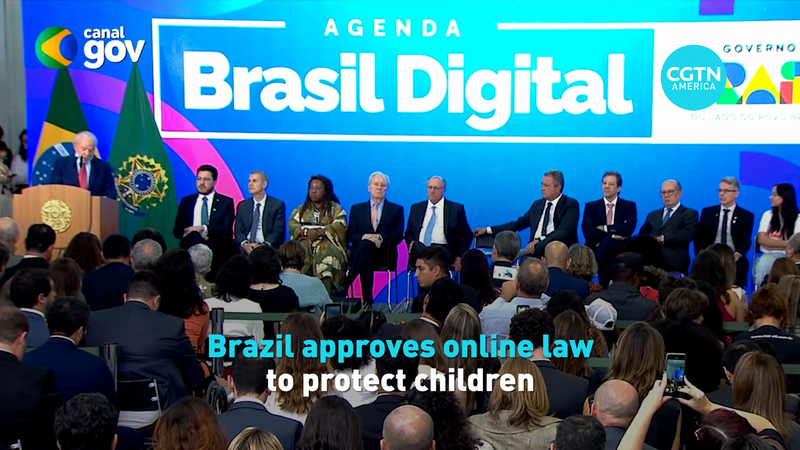
Brazilian Deputy Tabata Amaral of the PSB party announced on X (formerly Twitter) that Brazil’s Digital Child Act (ECA) is now in effect. As Brazil’s first law addressing online child safety, it significantly changes online practices. According to Amaral, the law extends real-world child protection measures to the digital realm, translating child protection from abstract policy to concrete regulation. The Digital Child Act includes the following provisions: Each county must have a local Child Protective Services (CPS) office, either newly created or designated by the department, responsible for the tasks outlined in the Act. CPS investigators cannot be related to the accused, the child, or involved families. CPS offices must receive all reports of suspected child abuse or neglect 24/7, filing them under the names of the children, their family, and any individuals proven to be abusers or neglectors. CPS offices must initiate legal proceedings when court action is in a child’s best interest. CPS offices are responsible for ensuring timely and appropriate services for children suspected of abuse or neglect, including support for their families and caregivers.
The Secretary of the Department of Human Services can issue administrative subpoenas to obtain information relevant to child abuse or neglect allegations. Child protective services caseworkers are not personally liable for professional decisions made in their official duties. The new law also mandates greater responsibility for online platforms. Networks and apps must now proactively prevent problems by implementing content filters, reporting channels, and abuse prevention systems. They are also required to publish regular reports detailing their handling of complaints. Further, the Digital Child Act enforces real age verification, replacing the current “I declare I am over 18” practice with reliable and auditable mechanisms such as facial recognition, document submission, and external database validation. Minors’ accounts will, by default, have enhanced protection, including maximum privacy settings, restricted contact with strangers, and reduced exposure to risks. Protection is now prioritized over commercial exploitation. The law prohibits using minors’ behavioral data (such as likes, screen time, or reactions) for targeted advertising, preventing children from being targeted by algorithmic manipulation. Platforms must also swiftly remove and automatically report serious content—including sexual exploitation, cyberbullying, and promotion of self-harm—to the authorities.
The introduction of this law parallels ongoing legal battles in the United States concerning online child safety. In New Mexico, prosecutors are in the final week of a trial against Meta regarding child safety on Instagram and Facebook. The trial, informed by internal company documents obtained during discovery, alleges that Meta’s system for detecting and reporting child harm has been slow and inadequate. These harms include the distribution of child sexual abuse material and child trafficking. This trial follows a two-year investigation by The Guardian published in 2023, which revealed Meta’s difficulties in preventing its platforms from being used for child trafficking. Meta’s defense maintains that preventing all crime on their platforms is impossible. Amaral stated that the Digital Child Act strengthens digital parenthood by requiring platforms to offer options for controlling time of use, limiting interactions, and monitoring online activity. Public bodies will also have stricter oversight and greater power to enforce compliance. Large platforms with many young users will be required to regularly report their actions.
Protecting Children Online: Amaral’s Call for Enhanced Security and Responsibility
Amaral acknowledged that while the Digital Child Act represents a significant step forward, continued effort is necessary. “We continue to fight to ensure that children and teenagers can fully enjoy the best of the Internet, with greater security, less exposure, and much more responsibility from those who profit from this environment,” she said. Portal Uai notes that the preceding text does not necessarily reflect its own opinion.
In Case You Missed It
In a world full of inspiring initiatives, two stories have caught our eye. Firstly, from the vibrant state of Goiás, Ahmed Hassan’s recent post “Mineiros, Goiás, Gains Public Channel with Inauguration of TV Unifimes” Mineiros, Goiás, Gains Public Channel with Inauguration of TV Unifimes shares the exciting launch of a new public television channel led by the innovative folks at Mineiros University Center. This initiative is democratizing information and culture within Goiás’ interior, providing a fresh perspective for all residents to enjoy. Meanwhile, in our digital hemisphere, Bruno Pferd’s latest piece “Digital Caravan Arrives in Rio de Janeiro with Free Technology Courses for Youth and Adults” Digital Caravan Arrives in Rio de Janeiro with Free Technology Courses for Youth and Adults dives into the Communications Ministry of Brazil’s innovative launch of the Digital Caravan. This mobile school is offering free tech courses to youth and adults across Rio, aiming to train three thousand people and bridge digital divides in communities like Angra dos Reis and Itaperuna. And for all you Disney fans out there, Bruno Pferd’s recent blog post “Long Wait Announced for Lilo & Stitch 2” Long Wait Announced for Lilo & Stitch 2 reveals that Disney’s new CEO has set release dates for much-anticipated sequels, including Lilo & Stitch 2 for May 26th! There’s truly something for everyone to celebrate and enjoy.

They also talk about it
Links to external sources for further reading
- 722.627 Availability of confidential record; closed court proceeding not required; release of reports compiled by law enforcement agency; information obtained by citizen review panel; release or inspection of documents from another agency or organization; sharing of information or records.722.627 Availability of confidential record; closed court proceeding not required; release of reports compiled by law enforcement agency; information obtained by citizen review panel; release or inspection of documents from another agency or organization; sharing of information or records.legislature.mi.gov
- §49-2-802. Establishment of child protective services; general duties and powers; administrative procedure; immunity from civil liability; cooperation of other state agencies.§49-2-802. Establishment of child protective services; general duties and powers; administrative procedure; immunity from civil liability; cooperation of other state agencies.unicef.org
- Meta on trial over child safety: can it really protect its next generation of users?Meta on trial over child safety: can it really protect its next generation of users?theguardian.com
Have any thoughts?
Share your reaction or leave a quick response — we’d love to hear what you think!
-
 0
0
-
0
-
0
-
0
-
0
-
0


