Key Takeaways
Created with AI - we're still experimenting, so apologies if it misses the mark
- RNG in games enhances replayability, creates suspense, and generates memorable stories by adding an element of unpredictability.
- Balanced use of RNG is crucial in competitive multiplayer environments to prevent any single strategy from dominating and ensure dynamic gameplay.
- Poorly implemented RNG can lead to frustration in both single-player and multiplayer games, with common issues including unpredictable boss patterns, grind for rare drops, and resource scarcity.
- Players today have a deeper understanding of game mechanics, leading to greater scrutiny of balance, community insights, and demand for updates aimed at improving RNG implementation in games.
Recommended products
This page contains affiliate links. As an Amazon Associate, we earn a commission from purchases made through these links.


Random Number Generators, commonly known as RNG, are a fundamental element of modern video game design. This underlying system dictates outcomes from critical hit chances to rare item drops, influencing gameplay in countless ways. While luck has always been a component of games, its pervasive use and impact on player experience are increasingly being discussed.
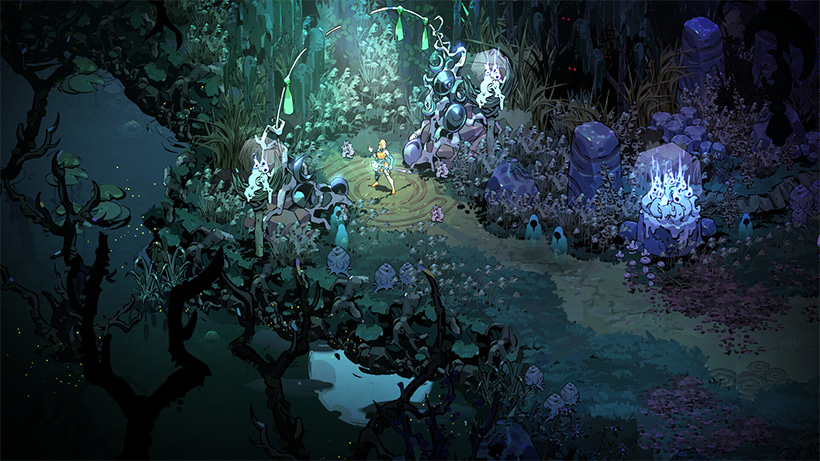
Before the widespread online discourse on RNG, chance was an intrinsic part of gaming. Older role-playing games featured variable damage, tactical titles rarely offered a guaranteed hit rate, and roguelikes used procedural generation to ensure unique playthroughs. This inherent randomness adds layers of engagement by: Enhancing Replayability: No two gaming sessions are exactly alike, keeping the experience fresh. Creating Suspense: Players remain on edge, unsure of what lies within the next chest or what enemy action will occur. Generating Memorable Stories: Fortuitous events, like a clutch critical hit or an exceptionally rare item drop, become shared experiences. Games like Hades, Dead Cells, and The Binding of Isaac exemplify this, with their appeal lying in the player’s ability to adapt and thrive amidst unexpected power combinations and challenges. Mastering these games often involves developing the skill to react effectively to unpredictable circumstances.
The role of RNG becomes even more critical in competitive multiplayer environments. A moderate amount of randomness can prevent any single strategy from dominating, ensuring dynamic gameplay and keeping matches unpredictable. However, excessive RNG can devolve a game into a matter of pure chance. Contentious areas of debate often include: The prevalence of highly randomized cards in digital collectible card games. The random appearance of powerful items on maps. Unpredictable resource spawns in survival games. The key lies in achieving balance. If matches are decided solely by reflexes and practice, newcomers may feel overwhelmed. Conversely, if luck dictates outcomes, dedicated players may feel their efforts are devalued. Exceptional game design leverages luck to create excitement, not to unilaterally determine results.
Poorly implemented RNG can also undermine the experience in single-player games, leaving players questioning their agency. Common frustrations include: Unpredictable Boss Patterns: Bosses with excessively random attack patterns can make players feel they are reacting to chaos rather than learning and adapting. Grind for Rare Drops: Extended periods of grinding for specific items without any form of pity system can be demoralizing. Resource Scarcity and Checkpoints: A combination of limited resources, infrequent checkpoints, and heavy RNG can create a feeling of being unfairly punished. Fortunately, many developers are learning from past design choices. The integration of crafting systems, in-game stores, and other mechanics provides players with avenues to mitigate bad luck without removing it entirely.
The gaming landscape has significantly shifted, with players today possessing a much deeper understanding of game mechanics than a decade or two ago. Terms like “seed,” “RNG,” “build synergy,” and “meta” are commonplace. This increased awareness has led to: Greater Scrutiny of Balance: Players can more easily identify when games rely too heavily on luck rather than strategic depth. Community Insights: Online communities often uncover hidden data and probabilities, revealing the true odds of rare drops or effects. Demand for Updates: Players are more vocal in their requests for game balance adjustments and patch updates.
Empowering Players Through Balanced Luck in Game Design
Ultimately, video games, regardless of platform, derive their appeal from empowering players and making their choices feel meaningful. While luck will always play a role, the player wielding the controller should be the primary determinant of the outcome. Unexpected events and humorous occurrences can certainly enhance enjoyment, but a lack of player impact renders the experience hollow. The gaming community actively discusses and scrutinizes RNG implementation, advocating for its creative use rather than as a crutch for design. Luck will continue to be a fixture in gaming, and it is the responsibility of designers to ensure it serves as a compelling element, not a detriment, to the player’s journey.
In Case You Missed It
As we continue to indulge in our gaming conversations, let me direct your attention to two striking pieces recently published on Players for Life. First up, Sophie Laurent’s “Resident Evil Requiem Reaches 7 Million Copies Sold in Two Months” Resident Evil Requiem Reaches 7 Million Copies Sold in Two Months dives into the extraordinary success of Capcom’s latest installment, which has surpassed 7 million copies sold in just two months, setting new benchmarks for the beloved series. Meanwhile, Carlos Mendoza explores another gaming phenomenon leaping from screen to silver screen in “Star-Studded Cast Confirmed for Elden Ring Film with Budget Over $100 Million” Star-Studded Cast Confirmed for Elden Ring Film with Budget Over $100 Million. Here, you’ll discover A24’s plans for an Elden Ring film adaptation, boasting a massive budget and an impressive cast. And speaking of captivating narratives, don’t miss Mendoza’s latest masterpiece, “Nier: Replicant – You Are Capable of Killing if You Believe It’s Right” Nier: Replicant – You Are Capable of Killing if You Believe It’s Right. This enthralling tale follows Victor Hidalgo’s journey through a war-torn world, exploring themes of sacrifice and redemption as he grapples with the power of the Grimwald Codex.
Have any thoughts?
Share your reaction or leave a quick response — we’d love to hear what you think!
-
 0
0
-
0
-
0
-
0
-
0
-
0


