The Test
This game includes references to suicide, self-harm, abuse, trauma, and potential bullying, which may be difficult for some individuals. If you are experiencing suicidal thoughts or considering self-harm, please consult a doctor or seek professional help from experts in suicide and self-harm prevention. The warning message that appears when launching the game “Silent Hill: The Short Message” sets the tone by addressing topics rarely discussed in video games. It features strong themes that can be harsh, contemporary, and realistic, all presented in the style of Hideo Kojima’s P.T. Hope you are prepared for it, as there is plenty within the game to evoke feelings of depression.

SHORT BUT NOT ININTERESTING
Regarding Silent Hill The Short Message, it is indeed a brief game that was officially announced during the State of Play event and subsequently listed on the PlayStation Store following the announcement. We were informed about Silent Hill The Short Message as early as September 2022 when UNIANA, South Korea’s video game classification body, included the title in its records. Following this, leaked images surfaced on Twitter, and at that time, some insiders had mentioned a demo version of the game. This demo has since evolved into a fully free short game (which is somewhat similar) that can be completed within 1.5 to 2 hours depending on the player’s progression method.
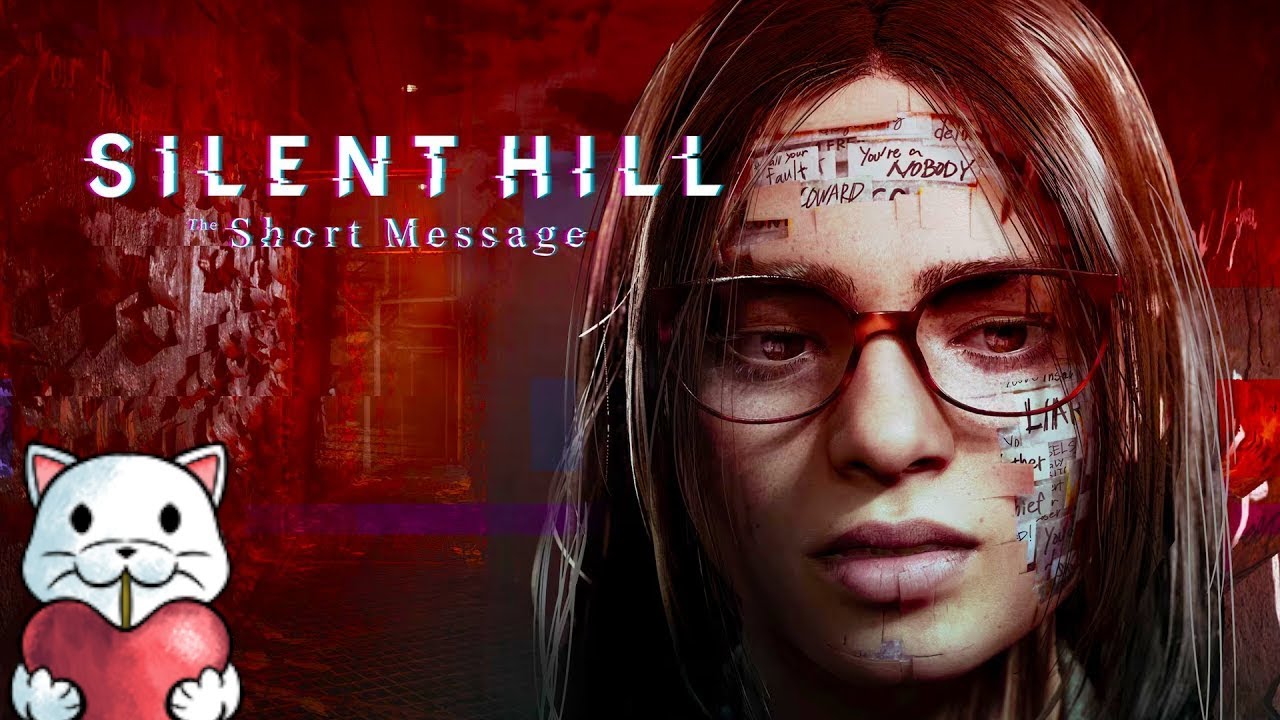
In “Silent Hill: The Short Message,” we assume the role of Anita, an approximately 18- to 20-year-old woman who awakens in a dimly lit, somewhat rundown room with only her smartphone as a means of navigation. This device enables her to light up the darkened environments and communicate with her two closest friends, Maya and Amélie. As she progresses through the game, reality intertwines with fiction or, more accurately, with her nightmares. The central mystery lies in distinguishing truth from falsehood within this short game that intrigued us due to its thematic depth. Personally, as a parent of two children, I am particularly attentive to issues such as school bullying, jealousy, abuse, and social dynamics. Given the prevalence of social media and cyberbullying today, these topics are of significant concern to me. Therefore, I appreciated how Motoi Okamoto, the game’s director, addressed these sensitive subjects. The gameplay includes a scene where Anita must navigate her high school hallway filled with shadowy figures representing toxic peers who hurl insults at her as she moves past them. These harsh verbal attacks, intermixed with mockery and derision—such as “Crazy,” “Shut up, you whore,” “Ugly,” “Freak,” “Get out,” “Stupid”—create a highly anxiety-inducing and humiliating experience, placing the player in Anita’s shoes through vividly depicted imagery, slimy colors, and explicit textual insults.
This game contains references to suicide, self-harm, abuse, trauma, and potential bullying that could be distressing for some individuals. If you are experiencing suicidal thoughts or considering self-harm, it is important to consult a medical professional or seek assistance from organizations dedicated to suicide and self-harm prevention. Silent Hill The Short Message includes this warning upon launch, setting the stage for discussions of sensitive topics often not addressed in video games. The game explores strong and sometimes harsh contemporary themes wrapped in the stylistic approach reminiscent of Hideo Kojima’s P.T. Players should be prepared for content that may evoke feelings of depression due to its challenging subject matter.
We will also explore the relationship between Anita, Maya, and Amélie, a friendship that is marked by jealousy and leads to various situations and misunderstandings. This narrative thread forms part of an experimental game described by Motoi Okamoto, which largely adheres to the structure of PT. The game begins with a character waking up disoriented in an unfamiliar room, seen from their subjective perspective, where escaping is the only option. It includes elements such as doors opening with a squeak that can be chilling, children’s cries of distress, grimy environments, farcars crawling on walls, and a creature appearing down a corridor with a jerky, strobe-like effect to emphasize its malevolent nature and the labyrinthine surroundings. Silent Hill The Short Message aims to captivate players who fell in love with Hideo Kojima’s game a decade ago. We are presented with similar elements but layered with themes of harassment, suicide, and self-harm, lacking PT’s mystical dimension and enigmatic elements that once puzzled players. In Silent Hill The Short Message, navigation is more conventional and guided, incorporating documents to read and real-life footage cinematics to progress the story. The smartphone serves as a light source and connection tool with friends; however, it could offer additional features to delve deeper into psychological horror, such as an in-game camera that requires strategic recharging for increased tension, considering the game’s mention of battery life limitations.
SAKURA-SAN
In fact, Silent Hill: The Short Message does not go far enough in its attempt to break away from conventional navigation methods. We would have appreciated more tense moments as there was potential to explore deeper into themes of terror and psychology, particularly given the game’s visually clean but striking aesthetic. Elements such as floating dust particles, walls covered with unsettling and often offensive graffiti, rooms wallpapered with post-it notes containing insults, litter, and disarray that evoke a gritty atmosphere provide ample visual stimulation. Notable is also the presence of this malevolent creature from another realm, its body adorned with cherry blossom flowers and capable of inflicting harm if you do not move quickly enough. The sound design contributes effectively to creating an atmosphere of fear and tension through moments of heavy silence and industrial music to heighten suspense.
Have any thoughts?
Share your reaction or leave a quick response — we’d love to hear what you think!
-
 0
0
-
0
-
0
-
0
-
0
-
0


