Key Takeaways
Created with AI - we're still experimenting, so apologies if it misses the mark
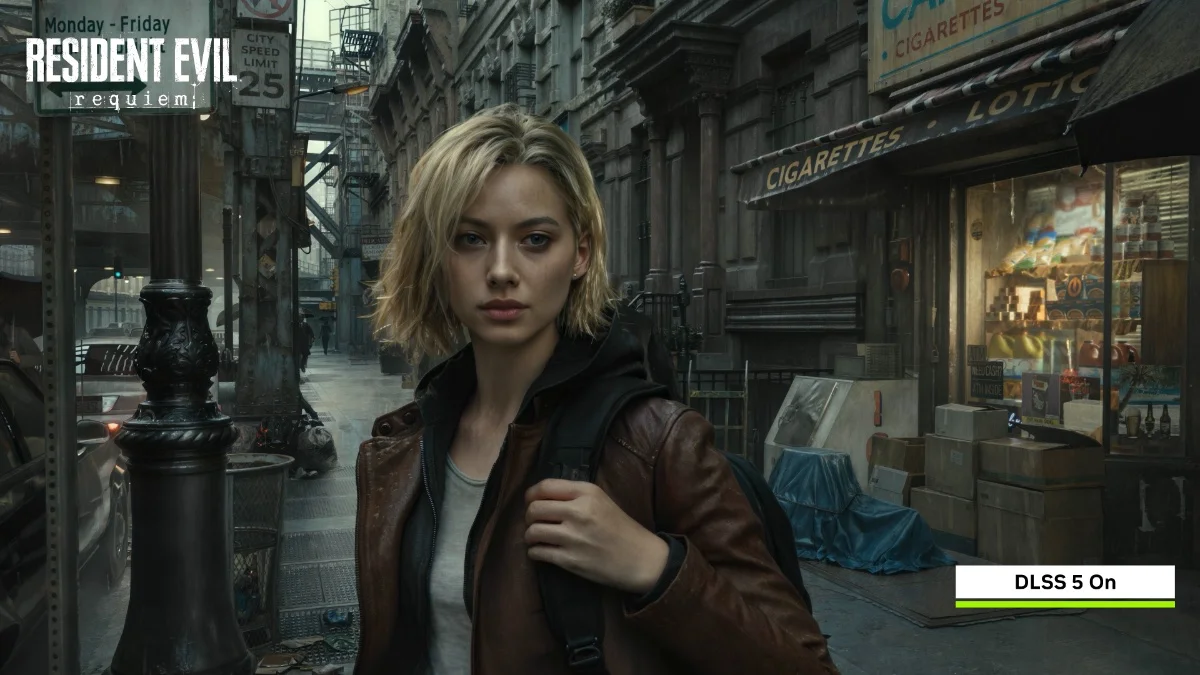
- DLSS 5 is not a typical post-processing effect, but a system that generates control at the geometry level, offering direct control to game developers. It allows adjustments to generative AI to preserve or enhance a games unique style without sacrificing artistic control.
- DLSS 5 uses information from the original render to enhance lighting and shadows, avoiding reliance on third-party images or distorting results. This technology can turn soso shaders into advanced ray tracing and skin shaders, as demonstrated by Senior Character Artist Georgian Avasilcutei.
- Tech experts, including industry veterans like JP Kellams and journalists like Ryan Shrout, have emphasized that DLSS 5 is not intended to replace artists but rather to overcome real-time shading and lighting constraints by leveraging existing game assets. They believe much of the criticism stems from a lack of direct experience with and understanding of the technology.
- Nvidias DLSS 5 will be released in the autumn, with additional demonstrations planned before its launch. The technology has been shown to be effective even with GPUs from the 50 series, addressing concerns about excessive hardware demand.
Recommended products
This page contains affiliate links. As an Amazon Associate, we earn a commission from purchases made through these links.

ASUS


Reactions to Nvidia’s DLSS 5 have been varied, ranging from excitement about its near-photorealistic graphics to concern that it represents AI overreach into game art. While some online critics have given the hype videos a negative reception, industry professionals and journalists are defending the technology. Nvidia CEO Jensen Huang and other proponents argue that critics misunderstand DLSS 5’s functionality. They emphasize that it is not a typical frame-by-frame post-processing effect but a system that generates control at the geometry level, offering direct control to game developers. Huang has stated that DLSS 5’s generative content control, or neural rendering, allows developers to adjust generative AI to preserve or enhance a game’s unique style without sacrificing artistic control. He also noted that studios can experiment with features like Toon Shaders or glass effects while maintaining full control over the final result.
Senior Character Artist Georgian Avasilcutei, who has worked on major game titles, stated that many commentators misunderstand DLSS 5 and its implications. Avasilcutei clarified that DLSS 5 differs from prompt-based generators and “slop image models.” Instead of relying on third-party images or distorting results, DLSS 5 uses information from the original render to enhance lighting and shadows. Avasilcutei shared before-and-after renders of a character, demonstrating how DLSS 5 can achieve high-quality results at a lower cost, turning “soso shaders” into advanced ray tracing and skin shaders. He dismissed claims that the original render represented an artistic choice, explaining that it merely reflected the limitations of shading and lighting, which all artists seek to overcome in real time. Veteran game developer JP Kellams, who has worked with Capcom, PlatinumGames, and Epic (formerly Harmonix), also weighed in on the discussion via X. Addressing concerns about AI, Kellams stated, “Folks criticizing DLSS 5 like it ain’t better or ruining art direction are nuts. The lighting and shadow improvements are insane.” He then reminded people that “tech doesn’t care if you like it, it’s a tool,” likening AI to past technological advancements and suggesting that it could level the playing field for marginalized artists.
Tech journalist Ryan Shrout, who experienced DLSS 5 firsthand, highlighted the technology’s capabilities beyond just facial enhancements. Shrout noted that the true potential lies in its ability to enhance entire scenes, citing examples in games like Starfield, Oblivion Remastered, and Assassin’s Creed Shadows, and highlighting improvements in objects such as coffee makers and leaves. Shrout clarified that DLSS 5 is not simply a filter but an intelligent model that analyzes frames, identifies game assets, and dynamically adjusts light interactions with developer-controlled fine-tuning options. Concerns arose after Nvidia’s initial video showcased significant improvements in lighting and shadows, particularly on faces, leading some to label it as unwanted AI influence that could diminish artistic control and demand excessive Nvidia hardware. However, Digital Foundry and other tech demos have demonstrated its effectiveness with GPUs from the 50 series, emphasizing that studios retain creative authority. Despite initial criticism, industry experts widely agree that DLSS 5 is not intended to replace artists. Instead, it aims to overcome real-time shading and lighting constraints by leveraging existing game assets. Many believe that much of the criticism stems from a lack of direct experience with and understanding of the technology.
Nvidia Unveils Autumn Debut of DLSS 5 with Pre-Launch Demonstrations
DLSS 5 is slated for release in the autumn (Northern Hemisphere), with additional demonstrations planned before its launch.
In Case You Missed It
If you’re eager to stay ahead of the curve in gaming tech, you’ve got two insightful reads awaiting you on Players For Life! Firstly, Bruno Pferd explores NVIDIA’s recent DLSS 5 controversy and how the company is balancing innovation with artistic integrity in “NVIDIA Panics Amid Criticisms? Company Explains How Controversial DLSS 5 Won’t Ruin Games’ Art” (), published on March 17, 2026. Then, dive into Bruno’s follow-up piece, “Starfield Revived with NVIDIA DLSS 5 and Todd Howard Catches AI Train” (), to discover how this new AI-based graphics architecture could shape Bethesda’s upcoming titles, including Starfield and The Elder Scrolls 6. To stay in the loop with the latest debates surrounding DLSS 5, don’t miss Carlos Mendoza’s “Nvidia Fires Back at Criticisms of DLSS 5” (), published on March 18, 2026.
Have any thoughts?
Share your reaction or leave a quick response — we’d love to hear what you think!
-
 0
0
-
0
-
0
-
0
-
0
-
0


