
Key Takeaways
Created with AI - we're still experimenting, so apologies if it misses the mark
- Yodobashi Camera stores in Japan have implemented an ID check for school students to purchase Pokémon TCG boosters, aiming to support younger players who are struggling due to shortages and high resale prices.
- The Pokémon trading card market in Japan reached a revenue of 300 billion yen (approximately $1.9 billion) in 2024, with the boom starting around 2019 due to unboxing videos on social media and increased interest during the COVID-19 pandemic.
- The market for Pokémon TCG cards is becoming more accessible, with the vast majority of cards listed for less than $50, making them affordable for many collectors, including foreign tourists in Tokyos Akihabara district.
- Despite challenges such as rising prices and scalping, the Pokémon trading card game continues to generate global excitement across all age groups, with tournaments attracting hundreds of players from different countries.
Recommended products
This page contains affiliate links. As an Amazon Associate, we earn a commission from purchases made through these links.
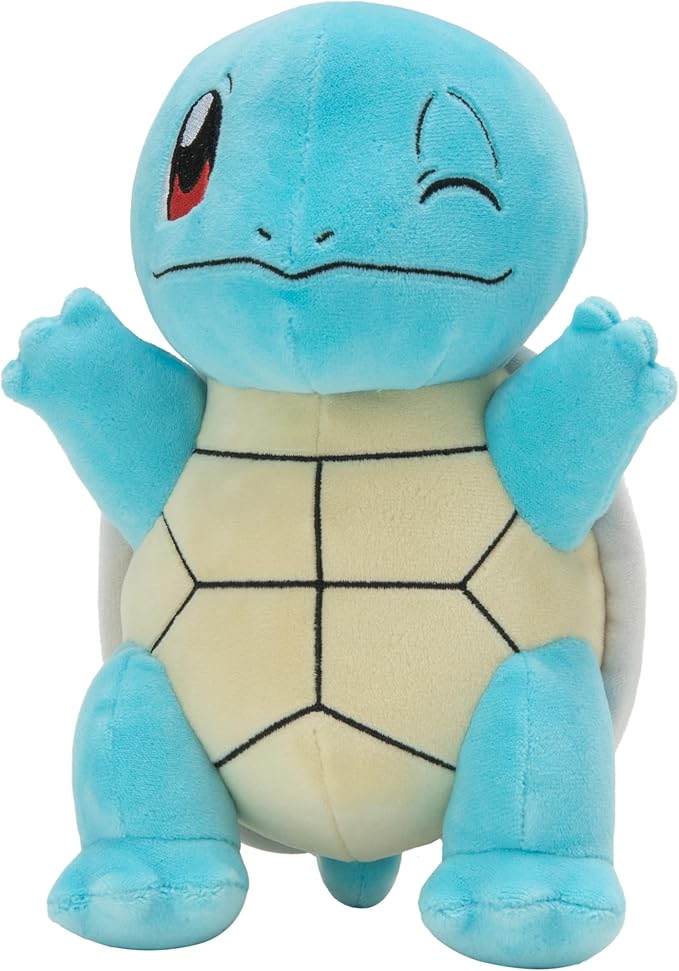




Over the past few years, the Pokémon Trading Card Game (TCG) has attracted investors and collectors more interested in its financial and collectible aspects than in playing the game itself. This influx has created complications for TCG players, as both collectors seeking rare cards and investors aiming to profit from them have contributed to stock shortages, making cards harder to obtain and driving up prices on resale sites beyond the reach of many, especially younger players. To support younger enthusiasts, particularly those who actively play the game, the Yodobashi Camera store chain in Japan has limited sales of Mega Dream Ex and Nihil Zero expansion boosters (known in the West as Ascended Heroes and Perfect Order). These stores now require primary and secondary school students to show ID to purchase these boosters. Contributing to this trend, recent reports from Japan indicate that increased card availability has led to a decline in Pokémon TCG investors, making it easier for younger fans to purchase boosters and acquire cards for gameplay. Japanese stores are making additional efforts to sustain interest in Pokémon among young players.
The Pokémon Illustrator card recently sold for $16.5 million in the U.S., becoming the most expensive trading card ever sold at auction, according to Guinness World Records. Experts suggest that rising prices and scalping are squeezing out regular players in Japan’s trading card market. According to the Japan Toy Association, the trading card market reached 300 billion yen (approximately $1.9 billion) in revenue in 2024. This boom began around 2019, spurred by the social media trend of unboxing videos, where people shared videos of opening sealed packs of trading cards. Fujii Daisuke noted that the coronavirus pandemic further fueled interest in trading cards as people rediscovered their love for them during increased time at home. Kanno Koji, a Pokémon card enthusiast since the game’s debut 30 years ago and a national champion in Japan in 2005 and 2007, currently works at a trading card shop and enjoys playing with his children in his free time. Despite the challenges of rising prices and scalping affecting the market, Japanese trading cards continue to generate global excitement across all age groups. Last year, approximately 600 players, both young and old, participated in a trading card game tournament held in Tokyo.
Accessible Pokémon Card Market in Akihabara Attracts Foreign Collectors
While some of the rarest Pokémon TCG cards appear on resale sites for over $300, the vast majority are listed for less than $50, indicating that the market is becoming more accessible. In Tokyo’s Akihabara district, known for Japanese pop culture, a German tourist sought trading cards as souvenirs, and an Australian teenager praised the extensive variety available. One card shop in Akihabara offers cards ranging from the 1990s to the latest releases, with some rare cards priced over $2,000, attracting many foreign visitors in search of coveted chase cards. These initiatives and market trends suggest a shifting landscape, potentially balancing the interests of collectors, investors, and players in the Pokémon TCG world.
In Case You Missed It
In gaming news, Bruno Pferd has just spilled some beans over at Players For Life about a limited-time event in Sonic Rumble Party, the Smurfs Event now available until April 15th. If you’re eager to join the blue blur and his little blue friends, make sure to check out Bruno’s latest post, “Smurfs Event Now Available in Sonic Rumble Party”, published on March 17th Smurfs Event Now Available in Sonic Rumble Party. Meanwhile, Microsoft has made a surprising move by canceling Project Moorcroft, an ambitious initiative to provide playable game demos through Xbox Game Pass. Guy Richards from ID@Xbox confirmed this news to The Game Business, and Marcus Thompson has provided a comprehensive analysis of the decision in his article published on March 15th Microsoft Cancels Project Moorcroft. Lastly, in movie news, Jonathan Dubinski takes a look at the monumental success of Scream 7, which has shattered franchise records with its monstrous $177 million opening weekend. Dive into his article, “Scream 7 Breaks Series Records”, published on March 16th Scream 7 Breaks Series Records to learn more about the series’ revitalization and the return of Sidney Prescott.

They also talk about it
Links to external sources for further reading
- Sold for $16.49 million dollarsSold for $16.49 million dollarswww3.nhk.or.jp
Have any thoughts?
Share your reaction or leave a quick response — we’d love to hear what you think!
-
 0
0
-
0
-
0
-
0
-
0
-
0


