Key Takeaways
Created with AI - we're still experimenting, so apologies if it misses the mark
- Inadequate protection of childrens rights in the rapidly evolving gaming landscape, particularly on platforms like Roblox, is a growing concern.
- Issues such as predatory monetization, questionable content, insufficient moderation, and potential child labor violations have been raised.
- The report Opportunities and Risks: A Stakeholder Analysis of Children’s Rights in Digital Games highlights that while games can benefit childrens development, these benefits are not equally accessible, and significant risks remain.
- Comprehensive child protection requires collaborative efforts across all platforms, clearer corporate responsibility, and stronger policies that prioritize childrens development and safety. Adult supervision and accountability are also crucial in maintaining a safe gaming environment for children.
Recommended products
This page contains affiliate links. As an Amazon Associate, we earn a commission from purchases made through these links.

Poppy Playtime
Mattel


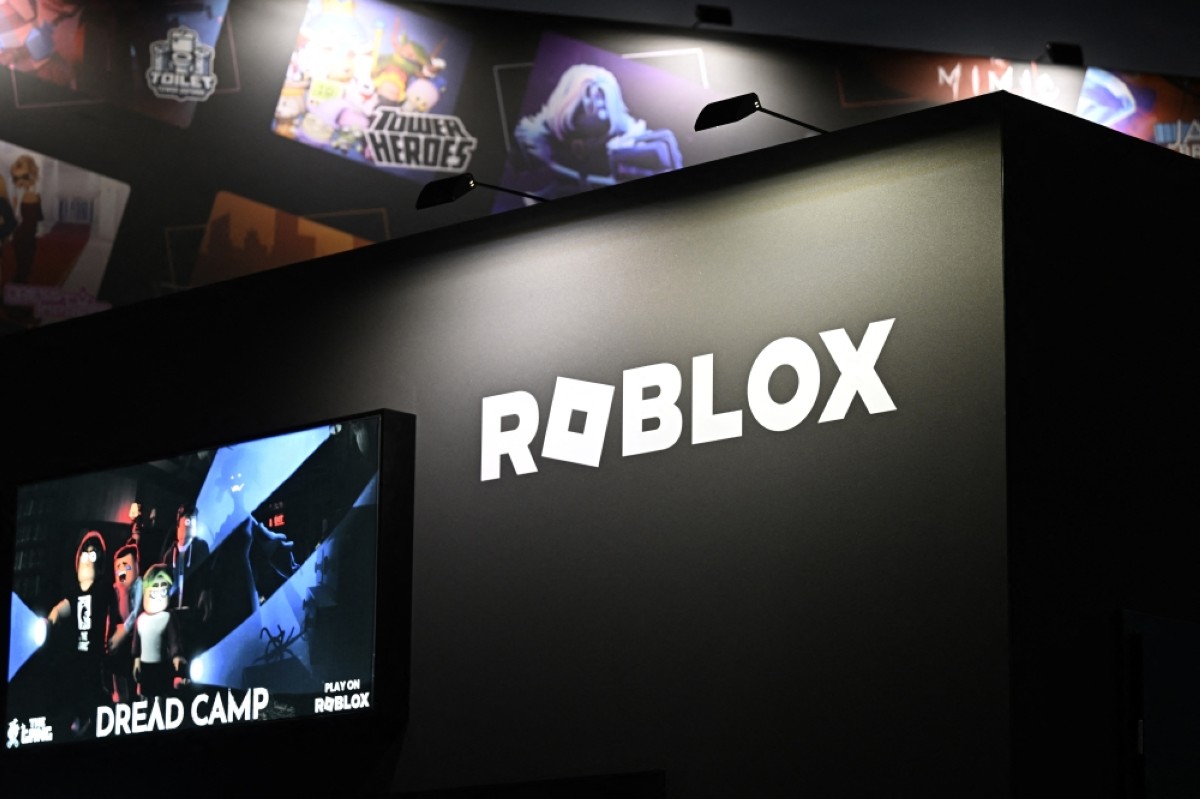
In an article for the London School of Economics (LSE), Brazilian researcher Ivelise Fortim examines recent controversies surrounding Roblox and questions whether children’s rights are adequately protected in today’s rapidly evolving gaming landscape. Fortim cites issues such as predatory monetization, questionable content, inadequate moderation, and concerns over child labor as evidence that they are not. These concerns are further highlighted in the recent report, “Opportunities and Risks: A Stakeholder Analysis of Children’s Rights in Digital Games,” which gathers insights from 30 experts in the UK and Brazil on children’s daily engagement with digital games. The report assesses the risks to children’s rights as defined by the UN Convention on the Rights of the Child. While games offer opportunities for children to develop creativity, coding skills, collaboration, and digital literacy in an engaging environment, the report notes that these benefits are not equally accessible to all children, and significant risks remain.
Comprehensive Child Protection in Digital Gaming: Assessing Roblox’s Obligations under UN Convention and Enhancing Industry Standards
Roblox, one of Brazil’s most popular Android games, exemplifies these challenges. The platform, which allows users to create and share games, has faced scrutiny for inappropriate content, harmful behavior, and contractual issues. Major media outlets like the BBC and The Guardian have previously reported on Roblox’s problems with sexual content. Fortim’s LSE article and the findings of the recent report suggest these issues may infringe upon children’s rights as defined by the UN Convention. Therefore, these findings emphasize that while Roblox’s recent policy changes are important, comprehensive protection requires collaborative efforts across all platforms, clearer corporate responsibility, and stronger policies that prioritize children’s development. Without a broader, more comprehensive approach, these risks will persist. Games can support children’s development when designed and monitored with a focus on safety, age-appropriateness, and child-centered principles. Moreover, adults must be held accountable for ensuring a safe and supportive gaming environment.

Have any thoughts?
Share your reaction or leave a quick response — we’d love to hear what you think!
-
 0
0
-
0
-
0
-
0
-
0
-
0


