EU Digital Fairness Act: No Loot Boxes for Minors, Real Prices for Virtual Coins
Presented on November 11, the European Commission's draft regulation targets loot boxes, virtual currencies, pay-to-win and dark patterns. Here is what it would change for players, and when.
Players For Life newsroom · 3 min read
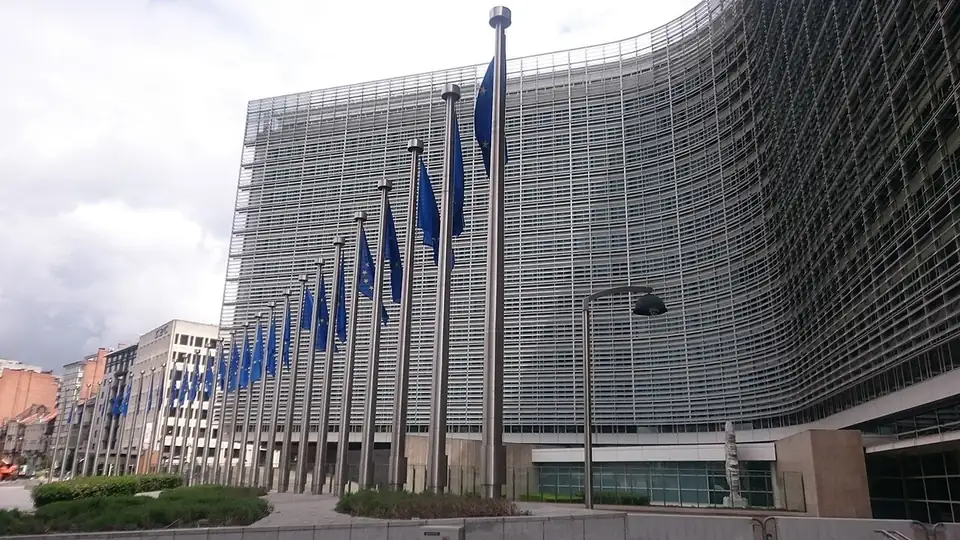
The European Commission formally presented its Digital Fairness Act on November 11, 2026, one day after a draft leaked to the press. The text is not about video games alone, but games are named in it, and several of its articles go straight at the way many of them make money: loot boxes, virtual currencies, pay-to-win and the small design tricks that keep players spending.
What the draft would ban or require
The Act takes the form of an EU regulation, which means it would apply directly in every member state without being rewritten into national law. For games, GamesIndustry.biz lists the key articles:
- Loot boxes (Article 15): paid "variable reward systems" could not be offered to minors at all. Adults would still be allowed to buy them, but games would have to show the types of items and the odds of getting them, and give players a way to switch paid loot boxes off completely.
- Virtual currencies (Article 14): every game would have to show the real-money value of its coins, gems or points. In products aimed at minors, paid virtual currencies would be disabled by default and only unlocked with a parent's approval.
- Pay-to-win (Article 16): purchases that are necessary, or presented as necessary, to progress or succeed would be banned for minors.
- Compulsive design (Article 17): players would be able to turn off login rewards, streaks, autoplay, push notifications they did not trigger, and features that simulate a relationship to keep them playing.
- Dark patterns (Article 10): manipulative interfaces would be banned outright, with a blacklist the Commission can extend over time.
Subscriptions are covered too: a free trial could only turn into a paid plan with the player's express agreement, cancelling would have to be as easy as signing up, and support would have to put you in touch with a human on request. Fines could reach 6% of a company's worldwide annual turnover.
Who counts as a minor, and the age-rating twist
A minor is anyone under 18. Whether a game is "directed at" or "used by" minors would be judged on objective indicators, and age ratings are explicitly one of them. As GamesIndustry.biz points out, a game rated 18+ would face fewer restrictions than one rated for everyone, which could push some publishers toward higher ratings.
Why it matters outside Europe
Business analyst George Osborn told Eurogamer that big publishers will be "really concerned", because a master switch for loot boxes and a reliable way to tell minors from adults mean deep design changes, not just a new menu. Ultimate Team in EA Sports FC could be age-gated as a separate mode; a card game built around random paid packs would have a much harder time. His bet is that most companies will ship one version worldwide rather than a special European build, as happened with USB-C chargers and the Switch 2's replaceable battery.
Regulators elsewhere have already moved: EA pulled paid loot boxes from EA Sports FC in South Korea after a new law in 2025, and Valve refused to change its loot box policy when New York State sued it this year. Europe's citizens' initiative Stop Killing Games showed in 2025 that players can also push Brussels to act.
When it could change your games
Nothing changes yet. The draft now goes to the European Parliament and the member states, which will amend it; Eurogamer expects the regulation to become law around 2028 or 2029, and it would apply 12 months after entering into force. The list of banned dark patterns, and of compulsive features players can switch off, will only be known later.
// The Friday recap
Enjoyed this article? You will like the Friday recap.
Sources
- GamesIndustry.biz – What the Digital Fairness Act means for the games industry
- Eurogamer – The European Commission's new Digital Fairness Act could change monetisation in games
- Rock Paper Shotgun – Lootboxes, pay-to-win and virtual currencies face heavy regulation
- Nintendo Life – EU 'Digital Fairness Act' could have a huge impact on loot boxes