Key Takeaways
Created with AI - we're still experimenting, so apologies if it misses the mark
- The Secret Agent is a thought-provoking film that requires patience to fully appreciate its unique blend of levity and tension, set during the 1977 Carnaval in Recife, Brazil.
- Director Kleber Mendonça Filho skillfully uses the setting to create an authentic portrayal of Brazil, particularly the Northeast, with a standout visual style and culturally sensitive soundtrack.
- The films narrative explores diverse themes, including social classes, historical violence, and injustices, making it a significant commentary on society, especially for Brazilian viewers.
- Wagner Moura delivers a deep and compelling performance as Marcelo, with the supporting cast enhancing the films authenticity through their natural accents. However, Cine Ninja noted a brief narrative choice that initially puzzled them but did not detract significantly from the overall impact of the film.
Recommended products
This page contains affiliate links. As an Amazon Associate, we earn a commission from purchases made through these links.

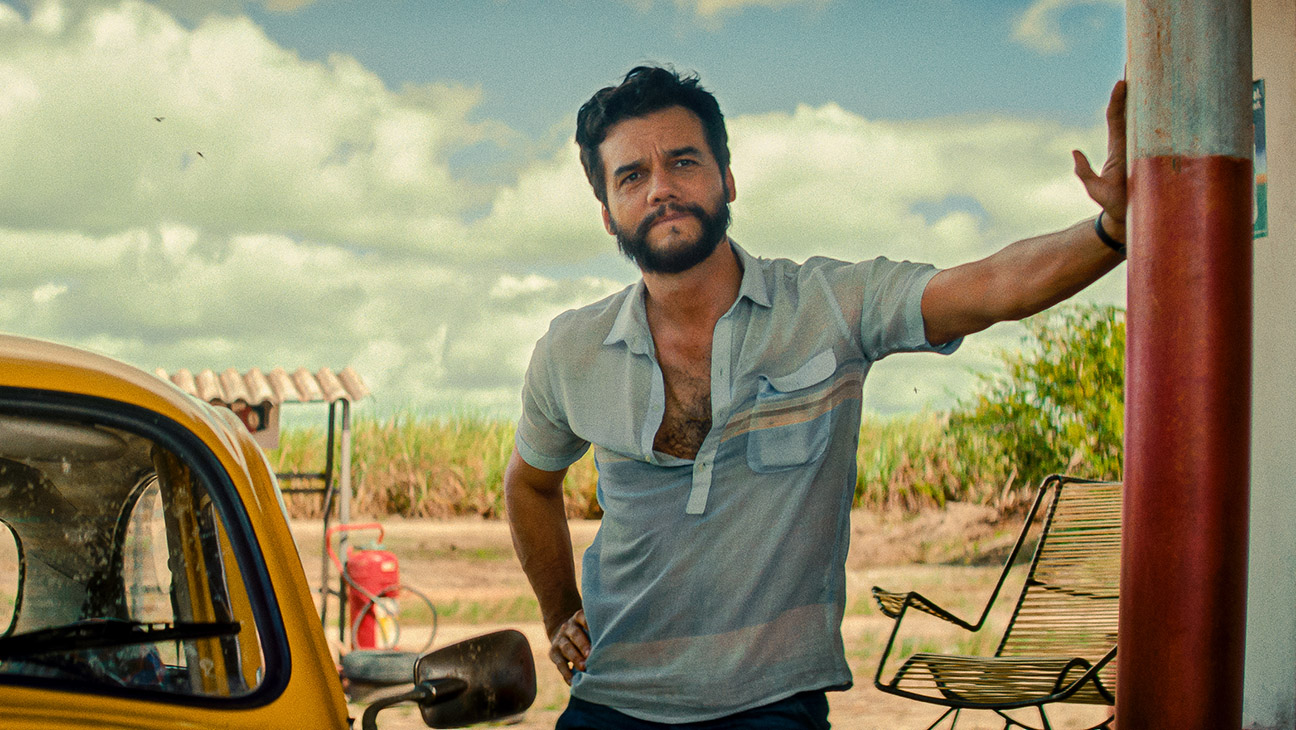
Set during the 1977 Carnaval, The Secret Agent follows Marcelo, who flees to Recife after his wife’s death due to political persecution. He reconnects with his son, Fernando, and together they plan to leave the country. While seeking help from allies to avoid capture, Marcelo stays in a temporary shelter filled with people in similar circumstances. Trying to remain inconspicuous, Marcelo soon recognizes the deep-rooted violence within Brazil’s social structure. According to Cine Ninja, The Secret Agent requires patience. The film’s opening may feel disorienting, presenting numerous messages without clear guidance. However, viewers are encouraged to persevere and allow the story to unfold organically. The reviewer notes the film’s unique blend of levity and tension, creating an atmosphere of simultaneous celebration and impending danger. Director Kleber Mendonça Filho likely uses this juxtaposition to amplify the impact of significant moments. The film’s technical aspects are also commendable, including the visuals, culturally sensitive soundtrack, and skillful editing. Wagner Moura brings depth to his character, and the supporting cast enhances the film’s authenticity with their natural accents.
Cine Ninja particularly praised the film’s setting, calling it a standout element and a consistently authentic portrayal of Brazil, especially the Northeast. From the opening shot of a sugarcane truck to the final scene in Recife, the setting evokes a sense of familiarity and comfort without detracting from the film’s overall impact. Mendonça Filho skillfully blends genres to explore diverse themes, and his affection for this regional identity is evident, reminiscent of his documentary, Ghostly Portraits, particularly in the stunning depictions of Old Recife. Cine Ninja admired this quality in Ghostly Portraits and welcomes its return in this new fictional film. The film is rich with clever references spanning eras, authorship, and language, prompting admiration. Cine Ninja was surprised by the seamless tonal shifts but felt that one later directorial choice nearly disrupted their immersion, a rare occurrence for them. While acknowledging that this decision was deliberate, Cine Ninja, however, found the effect jarring.
Although this particular narrative choice initially puzzled Cine Ninja and detracted slightly from the film’s impact, they clarified that it was a brief moment. Their concern was not about the storyline or information divulgence, but about an additional narrative element that could have been omitted. Cine Ninja acknowledged that interpretation is subjective and did not dismiss the film’s overall impact. The plot, in a strangely humorous way, exposes the stark realities of Brazil’s social classes, evoking a chilling resonance with the current world. The film powerfully comments on society, openly addressing historical violence and highlighting how little has changed. Through both subtle and overt cues, The Secret Agent exposes injustices, hypocrisies, and the cruelty of those in power. Cine Ninja draws a parallel to news reports of nearly 100 deaths during Recife’s Carnival met with police indifference, and more recent reports of over 100 premeditated murders by police receiving similarly little attention. The film offers significant commentary on society, especially for Brazilian viewers, within the nation’s thriving cinema landscape. Despite its length, The Secret Agent remains engaging, even amidst its initially confusing scenes.
Cine Ninja’s Immersive Exploration of Brazil’s Violence and Social Struggle in The Secret Agent
The Secret Agent, directed by Kleber Mendonça Filho, is set during the 1977 Carnaval in Rio and follows Marcelo as he confronts Brazil’s deep-seated violence after his wife’s death due to political persecution. Cine Ninja encourages viewers to allow time for the film’s messages to resonate, praising its immersive setting, tense atmosphere, cultural references, and compelling performances.
In Case You Missed It
In other exciting news, Carlos Mendoza has been exploring his Brazilian roots while residing abroad for four years. In his latest piece, “The Secret Agent”: Memory, Belonging, and Brazil Seen from Afar” (published March 21, 2026), Mendoza reflects on the profound impact of migration on identity, highlighting how attending ‘The Secret Agent’ at Cannes evoked a range of emotions from nostalgia to pride. This journey of self-discovery also led him to write about Kleber Mendonça Filho’s documentary receiving eight nominations at the Platino Xcaret Awards, set for May 9 in Cancún. Check out his articles here The Secret Agent”: Memory, Belonging, and Brazil Seen from Afar and here The Secret Agent” Receives Eight Nominations at Platino Xcaret Awards. Meanwhile, Jonathan Dubinski has been delving into the complexities of cinematic storytelling with his recent analysis, “The Political Dialogue That Unites ‘The Secret Agent’ and ‘One Battle After Another'” (published March 21, 2026). In this insightful piece, he compares two films directed by Kleber Mendonça Filho and Paul Thomas Anderson respectively, examining how they engage with memory, history, and political tension through their unique visual aesthetics. Head over to https://playersforlife.com/2026/03/21/the-political-dialogue-that-unites-the-secret-agent-and-one-battle-after-another/ to read this thought-provoking exploration of cinema’s role in historical construction and narration.
| Specification | |
|---|---|
| Official Name | The Secret Agent |
| Brief Summary | Brazil, 1977. Marcelo, a technology expert in his early 40s, is on the run. Hoping to reunite with his son, he travels to Recife during Carnival but soon realizes that the city is not the safe haven he was expecting. |
| Released | July 23, 2025 |
| Duration | 161 minutes |
| Genre | Crime, Drama, Thriller |
| Production Companies | Lemming Film, One Two Films, CinemaScópio, ARTE France Cinéma, MK Productions, Primo Content, Agência Nacional do Cinema - ANCINE, Banco Regional de Desenvolvimento do Extremo Sul, Fundo Setorial do Audiovisual |
| Countries of Origin | BR |
| Actors | Wagner Moura, Tânia Maria, Alice Carvalho, Maria Fernanda Cândido, Gabriel Leone, Udo Kier, Carlos Francisco, Thomás Aquino, Hermila Guedes, Robério Diógenes, Roney Villela, Isabél Zuaa, Isadora Ruppert, Laura Lufési, Igor de Araújo, Ítalo Martins, João Vitor Silva, Luciano Chirolli, Geane Albuquerque, Aline Marta Maia, Fafa Dantas, Suzy Lopes, Gregorio Graziosi, Joálisson Cunha, Buda Lira, Wilson Rabelo, Erivaldo Oliveira, Enzo Nunes, Márcio De Paula, Fabiana Pirro, Rubens Santos, Kaiony Venâncio, Licínio Januário, Marcelo Valle, Robson Andrade, Albert Tenorio, Edilson Silva, Nivaldo Nascimento, Cely Farias, Beto Quirino, Mariza Moreira, Alexis Geller, Anjoum Noorani |
| Director | Kleber Mendonça Filho |
| Authors | Kleber Mendonça Filho |
| Producers | Kleber Mendonça Filho, Emilie Lesclaux, Winston Araújo |
| Ratings | 7.343/10 (543 reviews) |
| Homepage | https://www.neonrated.com/film/the-secret-agent |
Have any thoughts?
Share your reaction or leave a quick response — we’d love to hear what you think!
-
 0
0
-
0
-
0
-
0
-
0
-
0


