Key Takeaways
Created with AI - we're still experimenting, so apologies if it misses the mark
- Crimson Desert offers an ambitious open-world experience with stunning visuals and a complex gameplay system, but its plagued with technical issues and a confusing narrative.
- The game features numerous intricate mechanics, such as managing ones camp, dispatching team members on missions, resource management, and establishing trade routes, which can be overwhelming for newcomers.
- The control system in Crimson Desert lacks polish, resulting in noticeable lag between command input and character response, leading to clunky movement and imprecise interactions with the environment.
- The games pacing stagnates after approximately 30 hours, failing to develop significantly in terms of discovery or impact on the overall experience, making it tiresome for some players.
Recommended products
This page contains affiliate links. As an Amazon Associate, we earn a commission from purchases made through these links.






Chaotic, frustrating, yet undeniably ambitious, Crimson Desert constantly tests players’ patience with technical issues and a confusing narrative, before rewarding them with its ambitious combat system, exploration, and stunning visuals. It’s a game that demands time and immense patience from those who can overcome its lack of polish. Summing up dozens of hours with Crimson Desert, it’s a game that one desperately wants to like but which constantly tests that patience; it’s a work full of great contradictions. Looking back at the journey so far, there’s a feeling of satisfaction despite its flaws, and it could very well become Game of the Year. However, it’s impossible to ignore the fact that this giant keeps tripping over its own feet, mixing wild ambition with design decisions bordering on absurdity. To be direct: Crimson Desert is definitively not a game for everyone, and the explanation starts with the very foundation of the experience and how the game presents itself to the player.
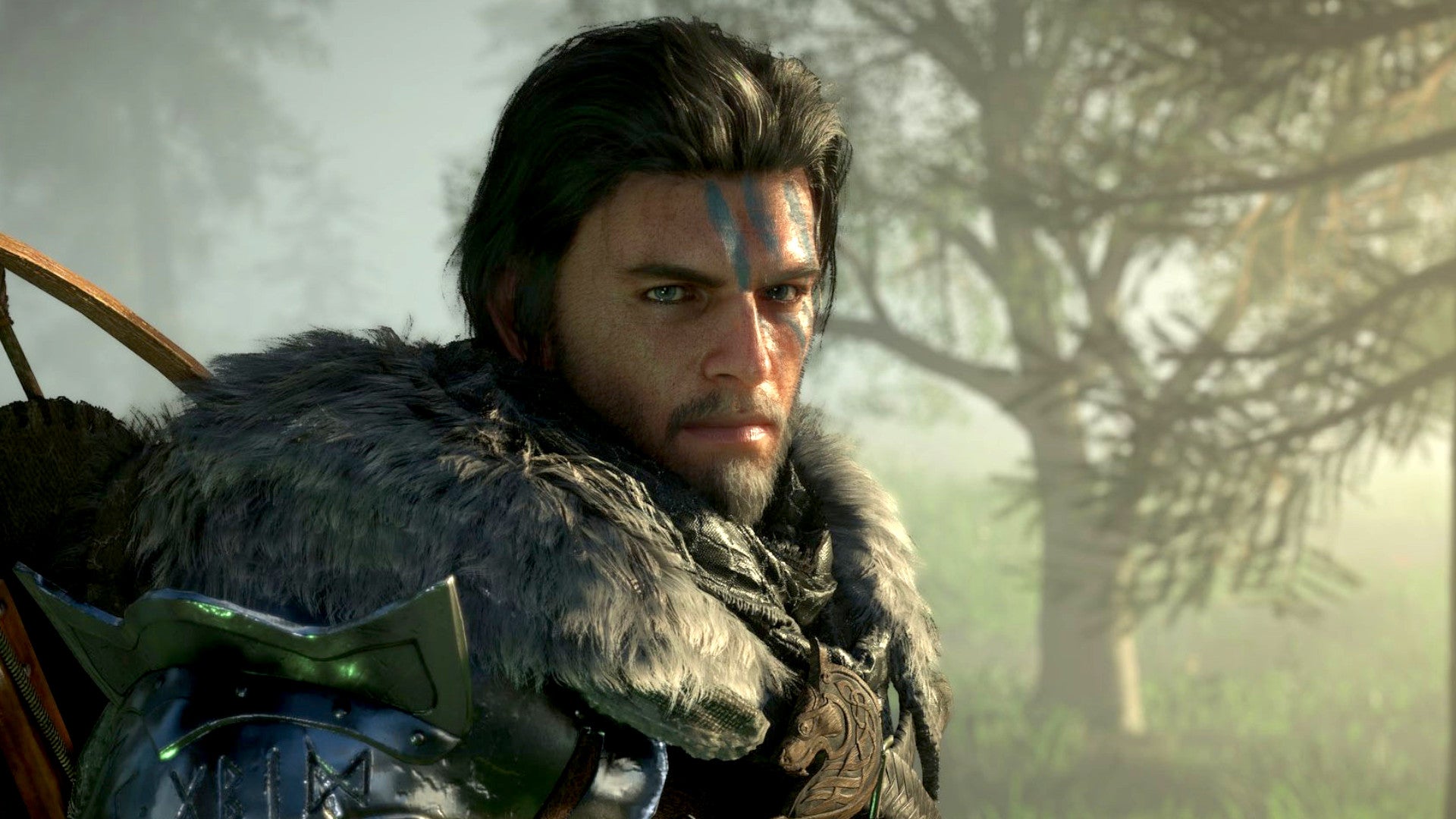
Visually, Crimson Desert is a major victory. It typically delivers high frames per second, even on the RX 9070XT. However, a performance drop was noted during the review period due to an issue where Ray Regeneration (RR) is set to max lighting. The developers are monitoring the issue and plan to release a fix before launch. Having played the PC version, it’s the most stunning and detailed open-world game since Red Dead Redemption 2. It’s an impressive feat of worldbuilding and visual design. However, this beauty comes with a caveat: the sheer volume of content and systems at play can quickly become overwhelming for newcomers. Managing your own camp, dispatching team members for missions, resource management, and setting up trade routes are among the many intricate mechanics Crimson Desert offers. While some players appreciate this depth, others might find it needlessly complex and poorly explained, often requiring reliance on online communities to learn even basic functions. Crimson Desert launches on March 19 for PC, PlayStation 5, and Xbox Series X/S.
There’s an odd phenomenon within this expansive journey that affects the game’s pacing. After approximately 30 hours, Crimson Desert begins to stagnate. Despite the vast map and numerous mechanics, understanding and interacting with the world doesn’t evolve significantly past the initial shock. Dozens of hours are invested, areas are traversed, and the campaign is advanced, yet the game fails to develop in terms of discovery or impact on the overall experience. The gameplay loop plateaus, and this repetition, combined with the already confusing main narrative, makes even the passage of time somewhat tiresome.
While the sheer amount of content is impressive, it can easily be intimidating for new players. Managing one’s camp, dispatching team members on missions, resource management, and establishing trade routes are among Crimson Desert’s rich tapestry of systems. However, the game overcomplicates elements that should be simple, accessible, and straightforward. Crucial information is strikingly absent, leaving players to resort to online communities for learning even basic functions. It’s a constant process of discovery, which, while intriguing, often leads to immense frustration as some mechanics lack logic and transform simple tasks into illogical puzzles unnecessarily. Inventory management, in particular, is a recurring nightmare. Space is limited, and there’s no clear way to prioritize items or automatically discard unnecessary ones from completed quests. Players must manually purge their inventories, constantly fearing the loss of important items from unfinished missions. The baffling absence of an in-game storage chest further exacerbates this issue and hampers progression, despite promises to add such functionality later.
This new game clocks in at around 150 hours long, and there are extra bosses and game features that players haven’t come across yet. The author enjoys all those side quests from the folks in Pywel’s different neighborhoods, and you can become a wanted crook in the game.
Challenging Experiences and Questionable Design in Crimson Desert’s Brilliant Chaos
Despite its undeniable moments of brilliance, Crimson Desert evokes memories of Early Access titles. The lack of polish is evident, particularly in fundamental mechanics that should be refined in a game of this scale. The most significant consequence of this unpolished state is the control system. There’s noticeable lag between command input and character response, resulting in clunky movement and imprecise interactions with the environment. This issue compounds other frustrations, especially given Crimson Desert’s emphasis on exploration and agile combat. The lack of finesse in mechanics also affects boss fights, which feel disjointed from the rest of the experience. Most major encounters are poorly constructed, awkward, and fail to deliver the epic satisfaction promised by the combat system on paper. Similarly, puzzles scattered throughout the world suffer from questionable design; while some are challenging, others are genuinely nonsensical and illogical, artificially hindering progression. In short, Crimson Desert is a rollercoaster where poor execution…
In Case You Missed It
Get ready for a dose of excitement and intrigue, folks! First up, Sophie Laurent takes us on a journey to the far future in her recent exploration of Archetype Entertainment’s upcoming masterpiece, Exodus. Crafted by BioWare veterans, this game promises a Mass Effect-like reunion, with Jun Aslan, once a scavenger, now defending humanity against celestial threats in Alpha Centauri. Catch the gameplay trailer and more in Sophie’s piece here Exodus Crafted by Former BioWare Team Unveils Gameplay a la Mass Effect in Trailer. Meanwhile, Bruno Pferd serves up a legal drama that’s stranger than fiction. His latest article reveals how Krafton was forced to rehire their fired CEO after an unprecedented court ruling sided with the plaintiffs, with AI seemingly playing a role in this saga. Dive into this remarkable case here Krafton Forced to Rehire Fired CEO Following ChatGPT Advice. And lastly, Jonathan Dubinski from Digital Foundry pens an unexpected apology and exposes the disturbing aftermath of his recent DLSS 5 video – including death threats received by the author himself. It’s a sobering reminder of the power and responsibility of media that you won’t want to miss Digital Foundry Apologizes for DLSS 5 Video, Exposes Death Threats Received After Publication.
They also talk about it
Links to external sources for further reading
- WHERE TO PLAYWHERE TO PLAYthegamer.com
- Final thoughtsFinal thoughtsdigitalspy.com
- And yet, a beautiful and great gameAnd yet, a beautiful and great gamedestructoid.com
Have any thoughts?
Share your reaction or leave a quick response — we’d love to hear what you think!
-
 0
0
-
0
-
0
-
0
-
0
-
0


