Key Takeaways
Created with AI - we're still experimenting, so apologies if it misses the mark
- Escalating tensions in the Middle East, specifically the U.S.-Iran conflict, have led to increased oil and gas prices and stock market instability.
- The duration and intensity of military action in the Middle East will significantly impact global markets, with a brief and limited conflict less likely to cause major disruptions but prolonged conflict potentially leading to market instability.
- Discussions are emerging about the U.S. dollar potentially losing its global dominance due to perceived disregard for international norms and the use of economic sanctions for political purposes. In response, the European Central Bank is strengthening its repo arrangements, and BRICS countries are exploring financial connections that bypass the U.S. system.
- The Iranian Rials devaluation and high inflation have led to increased prices of essential goods, making imported goods unaffordable and reducing families purchasing power in Iran.
Recommended products
This page contains affiliate links. As an Amazon Associate, we earn a commission from purchases made through these links.


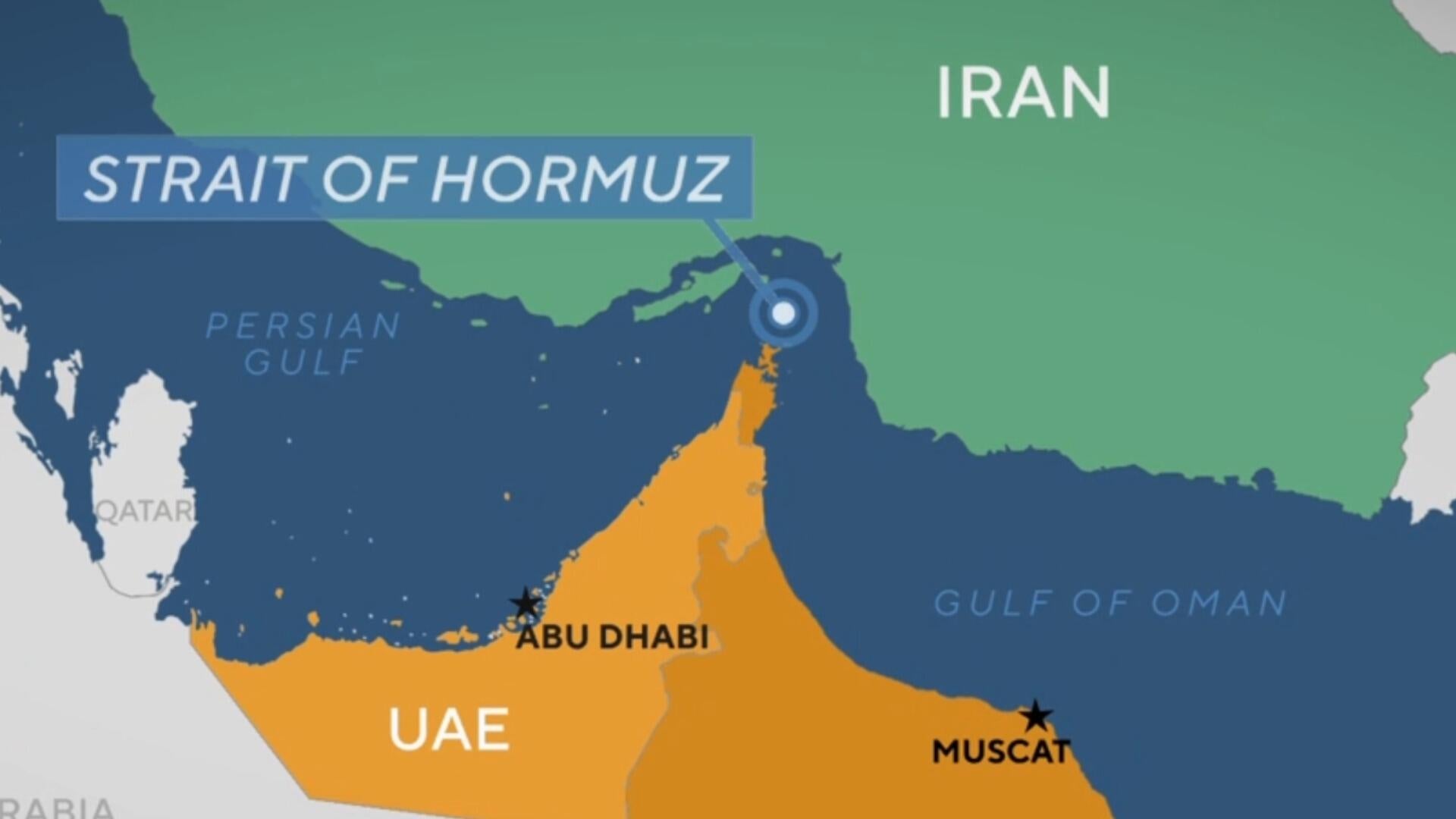
On Monday (2nd), the dollar opened at R 5.1475, a 0.21% increase. Meanwhile, the Ibovespa, the main index of the Brazilian stock exchange, opened at 10:00 AM. Tensions in the Middle East escalated following joint U.S. and Israeli attacks on Iran, dubbed “Operation Epic Fury,” and the subsequent Iranian response. The attacks resulted in the reported death of Iran’s Supreme Leader, Ayatollah Ali Khamenei, who had held the position since 1989, along with other high-ranking Iranian officials. Nine Iranian navy ships were reportedly sunk, dealing a significant blow to Iran’s naval headquarters. In retaliation, Iran attacked multiple sites across the Middle East, including U.S. military bases. The United Arab Emirates, Qatar, Bahrain, Kuwait, and Saudi Arabia also reported being targeted. According to a White House video, U.S. President Donald Trump stated that actions would continue “at full force and should only cease when objectives are achieved.” These events have impacted global markets. On Sunday at 8:24 p.m., stock index futures were down. Amid the escalation, oil and gas prices surged while stocks fell. At 8:15 GMT (5:15 Brasilia time), Brent oil was up by 9.7% at $79.95, and WTI rose by 9% to $73.04.
The impact on the stock market hinges on investors’ assessment of the military action’s duration and intensity. A brief and limited conflict may not significantly affect the market, but concerns about escalation and prolonged conflict could lead to market instability. This geopolitical instability is occurring against a backdrop of ongoing discussions about the future of the U.S. dollar. Talks are emerging about the U.S. dollar potentially losing its global dominance in favor of a more complex financial system. This shift may be driven by the U.S.’s perceived disregard for international norms and its use of economic sanctions for political purposes. In response, the European Central Bank (ECB) has announced plans to strengthen its repo arrangements, potentially bolstering the euro’s stability. BRICS countries are also reportedly exploring financial connections that bypass the U.S. system. In Brazil, the week began with the release of the Focus report, which compiles market projections for the economy. Analysts also anticipate the publication of the 2025 GDP in the coming days.
Deteriorating Iranian Rial Cripples Families Amid Inflation and Currency Devaluation
The Iranian Rial’s exchange rate with the U.S. dollar has reached a record low, exceeding 1.63 million rials for one U.S. dollar on the open market, according to Nomusica. Given this exchange rate, approximately $735 USD is now worth over 1.2 billion rials, highlighting the currency’s devaluation. The Nomusica report also indicates that inflation in Iran is projected to be around 50% to 60% annually. This high inflation has significantly increased the prices of essential goods like food, fuel, and medicine, making imported goods increasingly unaffordable and reducing families’ purchasing power. [Source: G1] This text does not necessarily reflect the opinion of Portal Uai.
In Case You Missed It
In recent gaming news, Bruno Pferd has sparked lively discussions with his latest articles on Players for Life. First, he shared “God of War: Amazon’s First Image Sparks Widespread Internet Disappointment” God of War: Amazon’s First Image Sparks Widespread Internet Disappointment on February 27th, giving us a first glimpse into the upcoming God of War series adaptation that, while not entirely awe-inspiring, still promises an exciting development as it’s in its early stages. Then, Bruno followed up with “First Image from Live-Action God of War Series Reveals Kratos and Atreus” First Image from Live-Action God of War Series Reveals Kratos and Atreus, also published on February 27th, diving into the much-anticipated live-action adaptation with a star-studded cast and exploring fan reactions to the character designs and renewal for a second season. Meanwhile, Marcus Thompson’s latest piece, “Nearly Flawless Journey of Space Marine 2 Faces First Major Setback” Nearly Flawless Journey of Space Marine 2 Faces First Major Setback, published on March 2nd, takes a fascinating deep dive into the community reception of Warhammer 40,000: Space Marine 2’s Chapter Voice Pack 1 DLC, examining why this once-anticipated add-on has since been labeled “Very Negative” by Steam users due to immersion-breaking dialogue reductions and technical shortcomings. Join us as we explore these latest triumphs and challenges in the gaming world!

They also talk about it
Links to external sources for further reading
- Market Reality vs. Official PolicyMarket Reality vs. Official Policytheguardian.com
- Trump's Iran strikes accelerate the world's drift from dollar dominanceTrump's Iran strikes accelerate the world's drift from dollar dominancereuters.com
- Key PointsKey Pointsibtimes.co.uk
Have any thoughts?
Share your reaction or leave a quick response — we’d love to hear what you think!
-
 0
0
-
0
-
0
-
0
-
0
-
0


