Key Takeaways
Created with AI - we're still experimenting, so apologies if it misses the mark
- DC K.O., a multiversal tournament featuring various DC, The Boys, Spawn, and other characters, resulted in Superman becoming the OMega King, signaling a new direction for DC Comics.
- The event brought emotional depth and diverse crossovers, focusing on core values of characters within a representative world, as seen in Supermans confrontation with Homelander.
- Integration of properties like The Boys and Spawn into the DC Universe extends beyond character appearances, with Vought International linked to Lexcorp in an alternate reality and possible Billy Butcher appearance in Gotham.
- Warner Bros. Discovery is embracing diversity and collaboration, positioning itself as a trendsetter with plans for a Justice League and X-Men team-up and potential Marvel involvement in the Justice League.
Recommended products
This page contains affiliate links. As an Amazon Associate, we earn a commission from purchases made through these links.


McFarlane Toys

McFarlane Toys
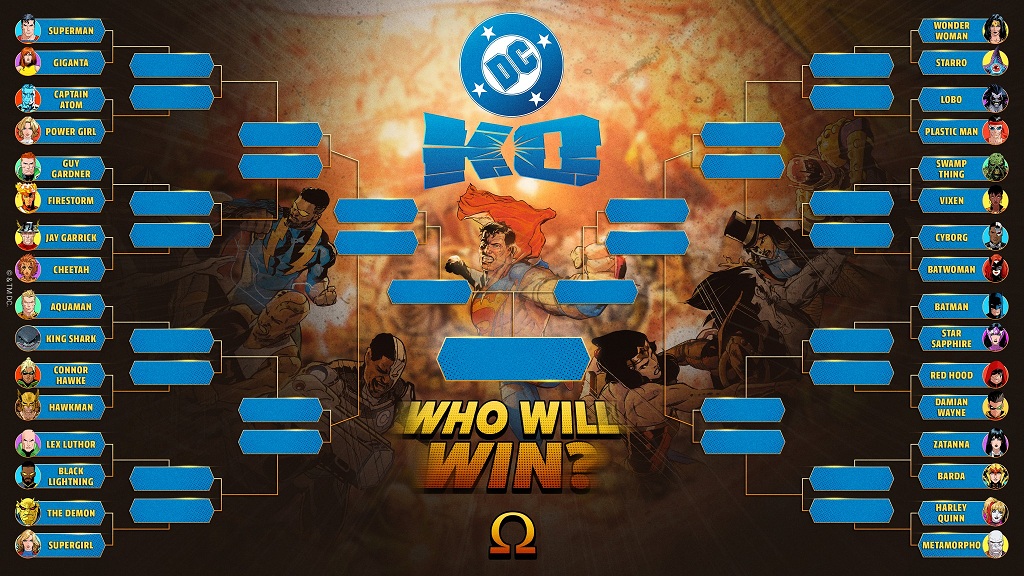
The long-awaited showdown has arrived: DC K.O., orchestrated by Scott Snyder and Joshua Williamson, culminated in a multiversal tournament featuring 32 heroes and villains battling to amass OMega energy and create an OMega King powerful enough to defeat Darkseid. Superman emerged victorious, defeating Homelander from The Boys and signaling a new direction for DC Comics. As energy reserves dwindled during the tournament, DC extended an invitation to other publishers, leading to unexpected crossovers. Superman and Homelander, both possessing considerable egos, clashed when the latter mistook the Justice League paragon for a naive upstart from Vought. He was quickly proven wrong. The resolution of the conflict, dubbed “Absolute Calm,” addressed longstanding issues and dramatically improved the fortunes of DC’s heroes.
DC’s Special #1, released in February 2026, delivers fan service with encounters like Red Sonja and Wonder Woman trading barbs, and Sub-Zero battling villains. Vampirella even makes a cameo. But the main attraction was Superman’s confrontation with Homelander. Darick Robertson’s illustrations (from The Boys) underscore the stark contrast between heroism and cynical commercialism. Superman effortlessly defeated Homelander, imparting a moral lesson with a simple headbutt. The event’s final phase features Batman facing off against Spawn, with a magical twist tied to King OMega’s power. Furthermore, a Justice League and X-Men team-up is reportedly in development to prevent the multiverse from collapsing. The integration of The Boys into the DC Universe extends beyond Homelander’s appearance. Vought International is now linked to Lexcorp in an alternate reality, and Billy Butcher may soon find himself in Gotham. The outcome of DC K.O. establishes a new status quo, integrating elements from other IPs into DC continuity and solidifying the Omniverse concept.
Following Dan Didio’s exit and the waning influence of Zack Snyder’s films, DC Comics underwent substantial changes. Warner Bros. Discovery shifted from isolation to aggressive licensing, including a deal with Netflix for both existing series and animated content inspired by DC K.O. events.
DC’s Emotional Evolution: Diverse Crossovers, New Alliances, and a Changing Landscape
DC’s latest chapter, evident in DC K.O., emphasizes emotional depth over brute strength, focusing on the core values of its characters within a diverse and representative world. This approach places genuine stakes on the table and embraces enjoyment. Recent Marvel-DC team-ups, such as the omnibus reprints of DC vs. Marvel, indicate a collaborative approach aimed at fans. Superman’s demonstration of virtue against Homelander serves as a lesson in reinvention for the entire industry. DC is moving beyond repetitive crises and restrictive editorial control, embracing crossovers with properties like The Boys and Spawn, solidifying its omniverse approach. Warner Bros. Discovery is embracing diversity and collaboration, positioning itself as a trendsetter rather than a follower. Sources indicate that the Justice League’s satellite may soon have a temporary Batman replacement from Marvel. More details about the League’s future after the tournament are expected to surface soon.
In Case You Missed It
As we dive into the captivating world of comics and their big-screen adaptations, it’s tough not to peer into the future with eager anticipation. If you’re dying to know what lies ahead for your favorite heroes, Sophie Laurent has just the ticket in her latest piece on Players For Life, ‘Marvel and DC in 2026: The Comics and Films That Will Redefine Pop Culture’, published January 31st, 2026. She masterfully navigates the upcoming transmedia plans from both publishers, giving you a sneak peek at how your beloved characters’ stories will unfold across print, screen, and beyond. Don’t miss out – read it here Marvel and DC in 2026: The Comics and Films That Will Redefine Pop Culture.
Have any thoughts?
Share your reaction or leave a quick response — we’d love to hear what you think!
-
 0
0
-
0
-
0
-
0
-
0
-
0


