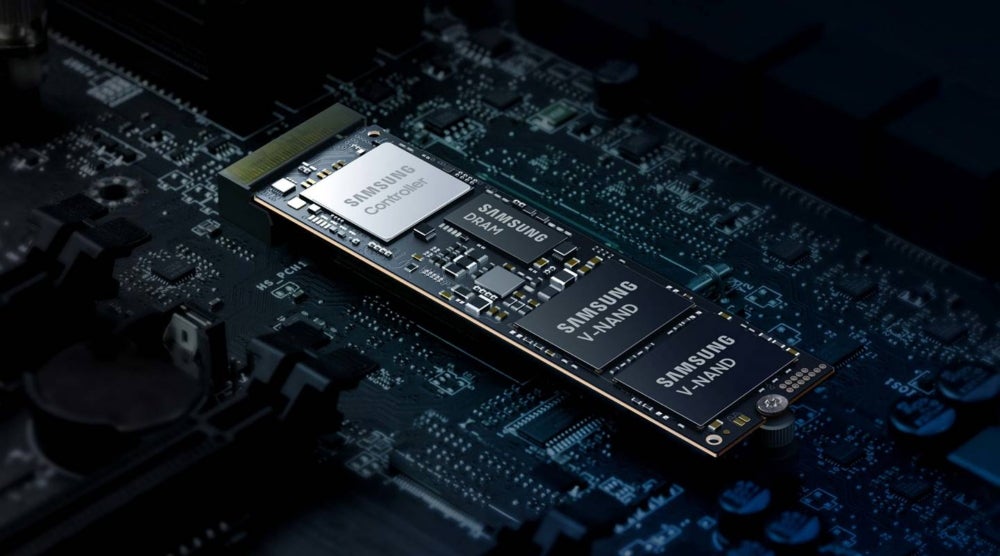
Key Takeaways
Created with AI - we're still experimenting, so apologies if it misses the mark
- AI is expected to significantly increase memory demand, potentially leading to a supply crisis by 2028 as current supplies may not meet the rising needs.
- Memory per AI accelerator is projected to increase dramatically, from 80GB in 2022 to approximately 2TB by 2028, with AI firms and data centers consuming a larger share of the RAM market.
- Major companies are securing long-term supply agreements due to component shortages, leaving those needing memory for AI with little choice but to accept manufacturers pricing.
- The memory crisis persists through 2027, which could lead to increased prices for laptops and GPUs due to higher chip costs in AI data centers.
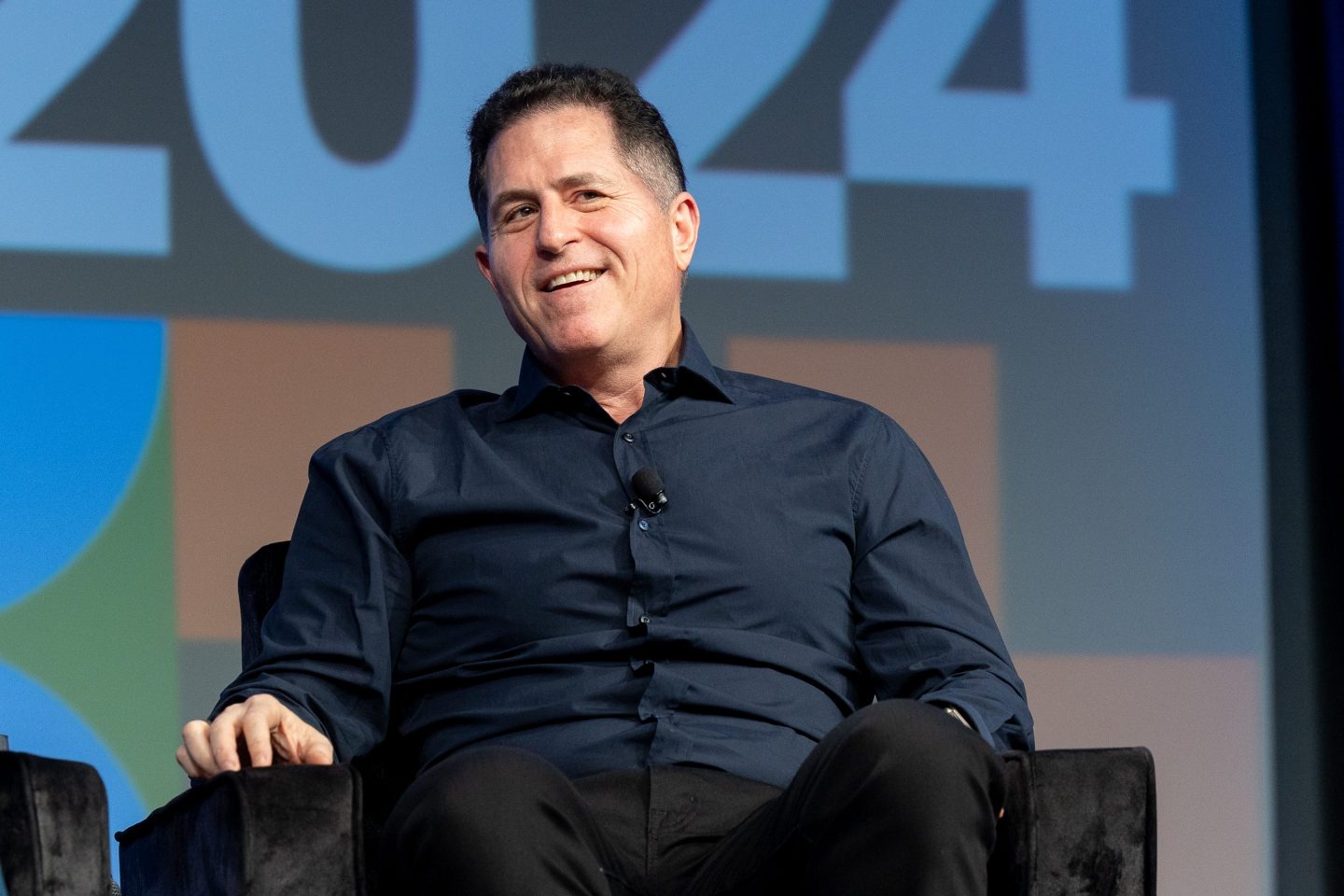
The global technology market is bracing for a potential memory supply crisis. Dell CEO Michael Dell warns that artificial intelligence (AI) is set to drive unprecedented demand for memory, potentially leading to shortages by 2028. This warning arrives amid some market anxieties, fueled by events such as the TurboQuant selloffs that have raised questions about the memory industry’s future. However, Dell counters these doubts, asserting that the AI supercycle is only beginning. He predicts that memory demand for AI will skyrocket 625 times by 2028, suggesting that current memory supplies may be inadequate to support the rapidly expanding AI infrastructure. Fueling this surge is the increasing use of data-intensive AI applications and models, which drives the development of advanced memory technologies like high-bandwidth memory (HBM) and GPU-based memory solutions. While AI applications in sectors such as self-driving cars, robotics, and gaming are creating demand for these sophisticated memory systems, their high costs and complex manufacturing pose challenges to widespread adoption.
Mudit Dube reported on April 10, 2026, that the memory per AI accelerator is expected to increase dramatically, from 80GB in 2022 (as seen with NVIDIA’s H100) to approximately 2TB by 2028—a 25-fold increase. Dube also suggests that AI firms and data centers will likely consume an even greater share of the RAM market in the future. This projection results from the simultaneous growth of two key factors: Increased Memory per Accelerator: Dell anticipates a 25-fold increase in the memory capacity required for a single AI accelerator. Increased Deployments: The global deployment of AI accelerators is also expected to increase 25-fold. Dell explained, “As memory per accelerator and system scale expand simultaneously in AI infrastructure, it’s forming a structure where total memory demand increases approximately 625 times. Although it takes years to expand memory supply, the current demand for AI infrastructures is not slowing.” A technical analysis by Wccftech supports this trend, noting that memory requirements per accelerator have grown exponentially from architectures like Ampere to newer ones like Vera Rubin. Manufacturers like NVIDIA are introducing parallel technologies, such as SOCAMM alongside traditional HBM, to manage AI’s demanding workloads.
Memory Crisis Persists Through 2027 Due to AI Demand and Component Shortage
The increasing adoption of AI into the inference phase and the construction of massive infrastructures, such as hyperscalers with CXL memory pools, threaten to outpace available supply. To secure their resources, major companies are securing long-term supply agreements; memory suppliers are entering five-year contracts with receptive buyers. This dynamic leaves those needing memory for AI with little choice but to accept manufacturers’ pricing. Given that new production capacity is not expected to stabilize until the second half of 2027, component shortages are likely to persist for several more years. As reported by sources including Electronic Times and PC Gamer, this could drive up laptop prices due to increased chip costs, with GPUs also facing significant demand in AI data centers.
In Case You Missed It
Midway through our dive into the latest gaming trends, we couldn’t help but pause to share some exciting news across several fronts. First up is Marcus Thompson’s recent article, “Steam to Introduce ‘FPS Estimator’ Tool” (published April 6th), which unveils Steam’s upcoming tool set to revolutionize how we understand our gaming rigs’ capabilities. This nifty feature will estimate frames per second performance based on your hardware specs, cross-referencing data from thousands of users with similar setups Steam to Introduce “FPS Estimator” Tool. Meanwhile, Ahmed Hassan’s recent article “With Galaxy AI, Samsung Galaxy Book4 Notebooks are True Productivity Allies” (published April 12th) caught our eye in our quest to explore cutting-edge productivity tools. This insightful piece examines how the Samsung Portfolio’s latest innovation is pushing boundaries with advanced AI integration, making each of its five models—the Ultra, Pro, 360, Book4, and Edge—true allies for users seeking intelligent, connected experiences With Galaxy AI, Samsung Galaxy Book4 Notebooks are True Productivity Allies. Finally, intrigued by upcoming racing horizons? Don’t miss Sophie Laurent’s latest post on Players For Life. Published just last week on April 8th, her article “Forza Horizon 6: Cherry Blossoms, Powder Snow, and Even a Rocket Launch, Here’s the Game Prologue” delves into the thrilling sneak peek of Forza Horizon 6, featuring iconic vehicles like the Nissan GT-R Nismo and buggies, all while you wait for the full game’s release on May 19th Forza Horizon 6: Cherry Blossoms, Powder Snow, and Even a Rocket Launch, Here’s the Game Prologue.
They also talk about it
Links to external sources for further reading
- Michael Dell, the CEO of Dell, warned of a looming memory chip crunch as AI demand explodes. With supply struggling to keep up, RAM prices may surge further, pushing up costs of PCs, GPUs, and data centre infrastructure in the coming years.Michael Dell, the CEO of Dell, warned of a looming memory chip crunch as AI demand explodes. With supply struggling to keep up, RAM prices may surge further, pushing up costs of PCs, GPUs, and data centre infrastructure in the coming years.timesnownews.com
- Memory supply might not meet demandMemory supply might not meet demandnewsbytesapp.com
- Tech companies are expected to keep investing despite costs, as AI infrastructure becomes essential for future growth.Tech companies are expected to keep investing despite costs, as AI infrastructure becomes essential for future growth.digit.in
- Dell CEO Describes Nightmarish Future Where AI Eats Up All The RAM For YearsDell CEO Describes Nightmarish Future Where AI Eats Up All The RAM For Yearskotaku.com
Have any thoughts?
Share your reaction or leave a quick response — we’d love to hear what you think!
-
 0
0
-
0
-
0
-
0
-
0
-
0


