Key Takeaways
Created with AI - we're still experimenting, so apologies if it misses the mark
- Tech Innovation: Pong, Space Invaders, Pac-Man, Tetris, Wolfenstein 3D, Doom, Quake, Crysis, Minecraft, No Mans Sky
- Design and Gameplay: Super Mario Bros., The Legend of Zelda, Metroid, Final Fantasy VII, Half-Life, Metal Gear Solid, Resident Evil, Braid, Limbo, Dark Souls
- Narrative and Storytelling: Chrono Trigger, Planescape: Torment, BioShock, The Last of Us, Red Dead Redemption 2, Undertale, Persona 5
- Open World Design, Business Models, and Community Impact: Grand Theft Auto III, The Elder Scrolls III: Morrowind, The Sims, Assassins Creed, Minecraft, The Legend of Zelda: Breath of the Wild, World of Warcraft, League of Legends, Fortnite, Pokémon GO, Counter-Strike, Team Fortress 2
Recommended products
This page contains affiliate links. As an Amazon Associate, we earn a commission from purchases made through these links.





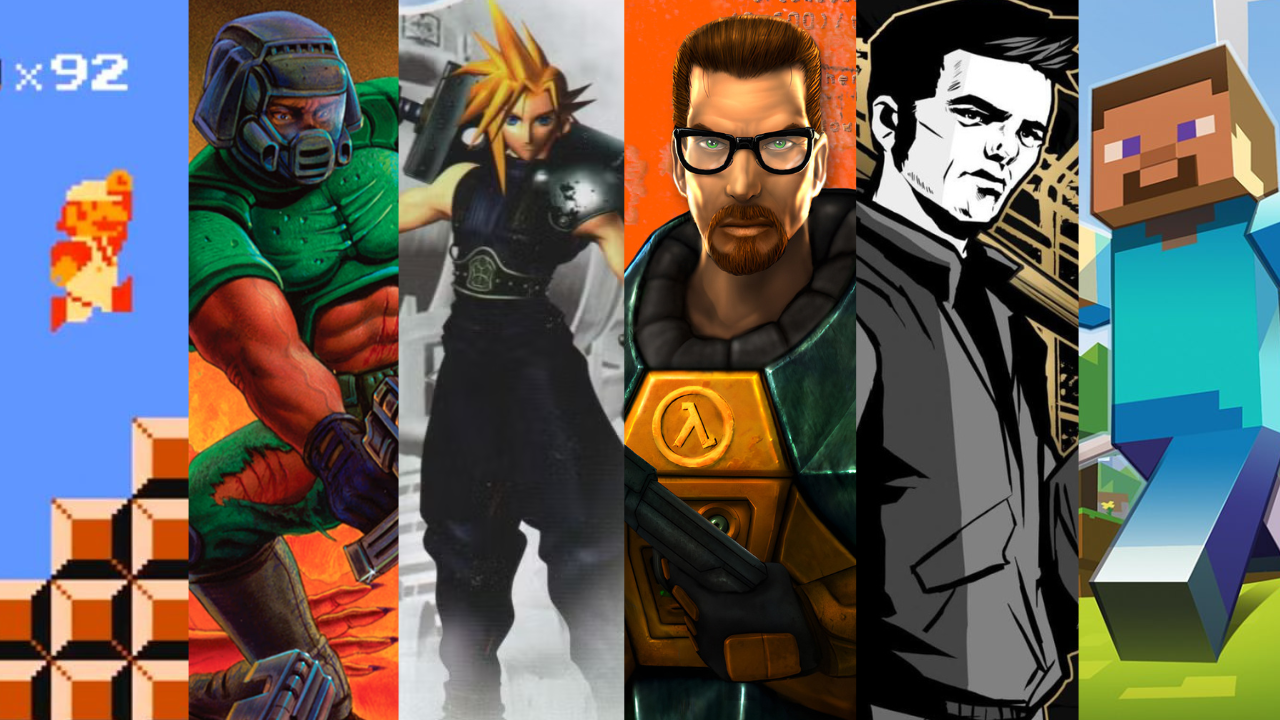
This list highlights influential games that have shaped the gaming landscape across various categories. Tech Innovation: 1. Pong (1972): As the first arcade hit, Pong made gaming a lucrative and popular form of entertainment. 2. Space Invaders (1978): Its scoring system and increasingly difficult challenges drew large crowds to arcades. 3. Pac-Man (1980): With iconic characters and accessible gameplay, Pac-Man appealed to players of all ages. 4. Tetris (1984): This game’s simple concept achieved global success and shaped both puzzle and mobile gaming. 5. Wolfenstein 3D (1992): Wolfenstein 3D launched the first-person shooter genre, introducing new movement and shooting mechanics. 6. Doom (1993): Doom popularized the FPS genre, multiplayer gaming over LAN, mods, and shareware distribution. 7. Quake (1996): The first fully 3D FPS, Quake, boosted eSports and online gaming. 8. Crysis (2007): Its advanced graphics pushed the boundaries of PC hardware. 9. Minecraft (2011): Minecraft’s innovative technical design enabled unprecedented player creativity and influenced open-world games. 10. No Man’s Sky (2016): No Man’s Sky’s massive procedural generation sparked discussions about innovation in game development. Design and Gameplay:
1. Super Mario Bros. (1985): Super Mario Bros. established the standards for platforming games and revived the gaming industry after the video game crash of 1983. 2. The Legend of Zelda (1986): This game pioneered open-world exploration, item progression, and player freedom. 3. Metroid (1986): Metroid blended action and exploration to create the Metroidvania genre. 4. Final Fantasy VII (1997): As a global RPG success with cinematic storytelling, Final Fantasy VII elevated AAA narratives. 5. Half-Life (1998): Half-Life integrated its story seamlessly into the gameplay, featuring advanced AI and no cutscenes. 6. Metal Gear Solid (1998): Metal Gear Solid combined stealth mechanics with cinematic presentation, influencing modern stealth games. 7. Resident Evil (1996): This title started the survival horror genre, combining tension and narrative horror. 8. Braid (2008): Braid utilized time manipulation as a core mechanic, setting a precedent in puzzle game design. 9. Limbo (2010): With its minimalist aesthetic and environmental storytelling, Limbo set a new standard for indie games. 10. Dark Souls (2011): Dark Souls made difficulty a key element of its gameplay and pioneered the Soulslike genre. Narrative and Storytelling: 1. Chrono Trigger (1995): Chrono Trigger featured nonlinear narratives with multiple endings.
2. Planescape: Torment (1999): Through deep dialogues and an immersive world, Planescape: Torment redefined Western RPGs. 3. BioShock (2007): BioShock integrated its narrative with gameplay mechanics. 4. The Last of Us (2013): With its emotional storytelling and complex characters, The Last of Us elevated AAA titles. 5. Red Dead Redemption 2 (2018): Red Dead Redemption 2’s epic narrative unfolds in a realistic open world, blending exploration and drama. 6. Undertale (2015): Undertale subverted gaming norms with its innovative interactive storytelling. 7. Persona 5 (2016): Persona 5 combined JRPG elements with social simulation, integrating its narrative into daily activities. Open World Design, Business Models, and Community Impact: 1. Grand Theft Auto III (2001): Grand Theft Auto III redefined the sandbox genre with its 3D world and urban exploration freedom. 2. The Elder Scrolls III: Morrowind (2002): Morrowind’s deep open world and character creation influenced immersive sandbox games. 3. The Sims (2000): This social simulation game without fixed objectives popularized sandbox-like gameplay. 4. Assassin’s Creed (2007): Assassin’s Creed established historical settings, parkour mechanics, and detailed environments as staples of open-world games. 5. Minecraft (2011): The ultimate sandbox for player creativity, Minecraft centralizes freedom within gaming experiences.
Transformative Games Redefining Entertainment Landscape
6. The Legend of Zelda: Breath of the Wild (2017): Breath of the Wild delivered a modern open world with realistic physics and unprecedented freedom of exploration. 7. World of Warcraft (2004): World of Warcraft solidified the MMO genre as a persistent service, supported by active community updates. 8. League of Legends (2009): League of Legends’ MOBA design and free-to-play model shaped global eSports. 9. Fortnite (2017): As a live service game with cross-platform play and microtransactions, Fortnite reshaped player culture. 10. Pokémon GO (2016): Through augmented reality and social interaction, Pokémon GO broadened the casual gaming audience worldwide. 11. Counter-Strike (1999): Its competitive multiplayer modes, modding capabilities, and community focus shaped modern competitive FPS games. 12. Team Fortress 2 (2007): Team Fortress 2’s free-to-play model, combined with its in-game item economy, influenced community design and monetization strategies. From technological advancements to innovative gameplay, business models, and community engagement, these games represent key milestones in the evolution of the gaming industry.
In Case You Missed It
In other news that’ll make your day, Bruno Pferd has been on a roll! First, he dropped a Marvel Cinematic Universe bombshell in ‘Funko Reveals Character for Avengers: Doomsday’. Published just last week, this post spills the beans – Binary, fresh from her stellar turn in The Marvels and played by Lashana Lynch, is joining the Avengers lineup. Mark your calendars for December 18th, folks, ’cause that promises to be a game-changer! Check out Bruno’s insightful take here Funko Reveals Character for Avengers: Doomsday. Meanwhile, Sophie Laurent takes us into the exciting world of Brazil’s gaming scene in ‘PUCPR’s Global Game Jam Curitiba’. Published January 22nd, her post delves into the upcoming 17th edition of this annual game creation marathon. With over 500 developers and a hundred games in the works, it’s set to be an immersive experience. So mark your calendars and register for free starting January 30th! PUCPR’s Global Game Jam Curitiba: University Promotes Game Creation Marathon Lastly, Bruno’s back with another laugh-out-loud post, ‘A Confused School: The Best Worst Movie of the Afternoon Session’, published January 24th. He takes us on a hilarious journey through Brazilian nostalgia as he reviews ‘A School in Chaos’, a film that’s so bad it’s good! Bruno expertly navigates ’90s Brazilian youth culture, making this post a must-read for anyone craving a nostalgic comedic time capsule. Check it out here A Confused School: The Best Worst Movie of the Afternoon Session.
| Specification | |
|---|---|
| Official Name | Groove Coaster: Initial Initial Echo Ego |
| Brief Summary | Touhou Project music DLC for Groove CoasterTitle: Initial Initial Echo EgoArtist: RD-Sounds*Arrange from Touhou ShinreibyouDifficulty: Simple 2 / Normal 5 / Hard 8BPM: 156 |
| Genre | Music |
| Play Modes | Single player |
Have any thoughts?
Share your reaction or leave a quick response — we’d love to hear what you think!
-
 0
0
-
0
-
0
-
0
-
0
-
0


