Key Takeaways
Created with AI - we're still experimenting, so apologies if it misses the mark
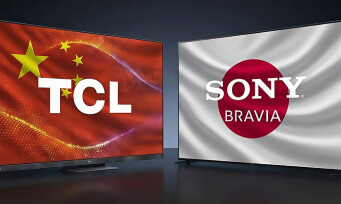
- Sony is partnering with TCL through a joint venture, granting TCL a 51% stake in the Bravia TV line. The partnership aims to improve the quality-price ratio of Bravia TVs, particularly in the midrange segment where Sony has been less competitive.
- The joint venture will allow Sony to reduce costs and secure component supply while sharing research and development with TCL. TCL, on the other hand, will leverage Bravias high-end brand recognition to enhance its premium offerings in Europe and Japan.
- Initially, there will be no immediate changes for consumers as current Bravia TV models will maintain existing software support, warranties, and premium positioning. However, future models may incorporate miniLED or LCD panels from TCLs manufacturing facilities.
- The primary objective of this partnership is to strike a balance between cost reduction, raw performance, and maintaining the unique appeal of Bravia TVs known for their cinema-focused approach. If Sony retains control over video processing and calibration, Bravia could remain a top-tier brand while becoming more affordable. Otherwise, it might lose its unique appeal.
Recommended products
This page contains affiliate links. As an Amazon Associate, we earn a commission from purchases made through these links.

Sony


At CES 2026 in Las Vegas, Sony announced a joint venture with TCL, a Chinese brand, to manage its Bravia TV line. Under the agreement, TCL will assume a 51% stake. Sony emphasizes that this is not a complete sale, and the Bravia brand will remain with Sony, though TCL will manage its operations. Subject to regulatory approval, the partnership is expected to launch by 2027. The move comes as Sony responds to increased competition in the TV market, dominated by major players like Samsung and LG, and pricing pressure from TCL, Hisense, and Xiaomi. While Sony is recognized for superior image quality, it has struggled to maintain sales volume. The joint venture aims to benefit both companies: Sony will reduce costs, secure component supply, and share research and development, while TCL will leverage the Bravia brand to enhance its premium offerings in Europe and Japan. Retaining a 49% stake, Sony aims to improve its competitiveness in the TV market.
Kimio Maki, a top executive at Sony, stated, “By joining forces, we hope to create awesome new experiences for folks around the globe who love great audio and visuals.” Jun Du of TCL added, “This partnership lets us combine our strengths, boost our brand, reach more people, and make better products together.” Initially, consumers will not see immediate changes; current Bravia TVs in stores and upcoming 2026 models will maintain existing software support, warranties, and premium positioning. However, future models may incorporate miniLED or LCD panels from TCL’s manufacturing facilities, with Sony continuing to manage software, image processing, and user interface. The primary objective is improving the quality-price ratio, particularly in the midrange segment where Sony has been less competitive. Industry analysts suggest this arrangement raises questions about whether Bravia’s reputation for cinema-focused TVs may be at risk. While TCL excels at cost reduction and enhancing raw performance, maintaining a balance will be crucial. If Sony retains control over video processing and calibration, Bravia could remain a top-tier brand while becoming more affordable. Otherwise, it might lose its unique appeal.
Enhanced Quality-Price Ratio with Sony’s Bravia TV Line Passing Operational Control to TCL Via Joint Venture
In summary, Sony is handing over day-to-day operational control of its Bravia TV line to TCL through a joint venture, allowing Sony to cut costs while enabling TCL to capitalize on Bravia’s high-end brand recognition, aiming to improve the TVs’ quality-price ratio.
In Case You Missed It
In case you missed it, we’ve got a trio of engaging articles from our very own Bruno Pferd that you won’t want to overlook. First up is his deep dive into Netflix’s big bets on the anime world in “Netflix Bets Big on Anime” Netflix Bets Big on Anime. Published on January 22nd, Bruno explores how Netflix’s collaboration with animation studio MAPPA aims to bring our favorite anime titles to global audiences like never before. From co-producing new projects to launching upcoming series, there’s plenty of news to get excited about for anime fans everywhere.
Next up is Bruno’s fascinating take on the upcoming Golden Raspberry Awards in “Brazil Rejoices! Isis Valverde Nominated for Golden Raspberry Award” Brazil Rejoices! Isis Valverde Nominated for Golden Raspberry Award. Published just yesterday on January 22nd, this entertaining piece looks at Brazil’s impact on this year’s nominations list and why Isis Valverde and her co-stars are making waves. Plus, find out whether “War of the Worlds” will take home the top prize!
Lastly, in a surprising turn of events, Bruno tackles the financial performance of Predator: Badlands’ theatrical run in his latest article, “Predator: Badlands Concludes Theatrical Run in the Red” Predator: Badlands Concludes Theatrical Run in the Red. Published on January 22nd, this insightful piece takes a critical look at the film’s box office results and their implications for the Predator franchise. If you’re eager to understand how Badlands’ financial fate might shape future releases, don’t miss out on Bruno’s analysis!
Have any thoughts?
Share your reaction or leave a quick response — we’d love to hear what you think!
-
 0
0
-
0
-
0
-
0
-
0
-
0


