Key Takeaways
Created with AI - we're still experimenting, so apologies if it misses the mark
- NVIDIA introduces the RTX Spark PC, a computer specifically designed for personal AI agents with high-performance hardware and software capabilities.
- Partnership between NVIDIA and Microsoft aims to create a secure Windows platform for running local AI agents, offering resources for identity management, containment, policy enforcement, and end-to-end security.
- The RTX Spark PC and other NVIDIA systems are being optimized for open-source local models like Llama.cpp, enabling faster agent performance and improving inference efficiency.
- The RTX Spark computers feature AI effects such as RTX Video Frame Generation, which can double or quadruple video frame rates in real-time, particularly useful for AI content creation.
Recommended products
This page contains affiliate links. As an Amazon Associate, we earn a commission from purchases made through these links.


NVIDIA is advancing the capabilities of personal AI agents with new hardware and software. At NVIDIA GTC Taipei, the company introduced the RTX Spark PC, a computer specifically designed for personal agents, and announced updates to broaden local agent use across its RTX and DGX systems. Open-source projects like Openclaw and Hermes are gaining popularity among developers on GitHub, highlighting the growing adoption of personal agents. These agents can adapt to user styles and workflows, interact with applications, create content, and automate tasks, all while operating locally on a user’s device. To enable private and secure agent operation, robust hardware is essential.
The RTX Spark PC delivers this capability with 1 petaflop of AI processing power and 128GB of unified memory, positioning it as a new category of computer that functions more like a collaborative partner than a mere tool. Designed for AI work, content creation, and gaming, it incorporates NVIDIA’s three decades of technological expertise into slim Windows notebooks and compact desktops featuring long-lasting batteries. The partnership between NVIDIA and Windows encompasses both personal and corporate solutions. Also revealed at the event was the NVIDIA RTX Station, a desktop workstation for AI professionals, which brings data center-level GPU and CPU performance to Windows systems for efficient inference while maintaining security and compatibility. The ability to run agents privately and rapidly on Windows RTX PCs is expected to drive widespread adoption, overcoming previous limitations imposed by security concerns.
NVIDIA and Microsoft are collaborating to create a secure Windows platform for running agents directly on devices. This initiative is built on a foundation of new Windows security features and NVIDIA’s Openshell runtime, ensuring agent safety and user control. New Windows capabilities provide resources for natively creating and running agents, including identity management, containment, policy enforcement, and end-to-end security. NVIDIA Openshell allows users to set operational rules for agents, intelligently redirect queries to local models based on privacy policies, and mask personal information in cloud-bound queries. Prominent projects like Hermes Agent and Openclaw are integrating a robust security and privacy framework into their new Windows applications. These applications will enable users to safely access local agents capable of performing tasks within Windows apps, managing inter-program workflows, generating images and videos, building plugins and applications, and executing semantic searches on local files. Running these agents locally requires both strong security and high-performance hardware. The RTX Spark addresses this with 1 petaflop of AI processing power and 128GB of unified memory. NVIDIA is also accelerating the use of open-source local models for these agents.
NVIDIA has partnered with the Llama.cpp team to implement features such as MultiToken Prediction (MTP). This technology allows a smaller model to suggest multiple tokens simultaneously, which the main model then verifies in a single pass. Combined with other optimizations, this can lead to speeds up to twice as fast for models like Qwen 3.6 and 3.5, accessible through Llama.cpp’s web interface or LM Studio. NVIDIA has also collaborated with the open-source community to enhance performance in popular local AI tools for users with multiple GPUs.
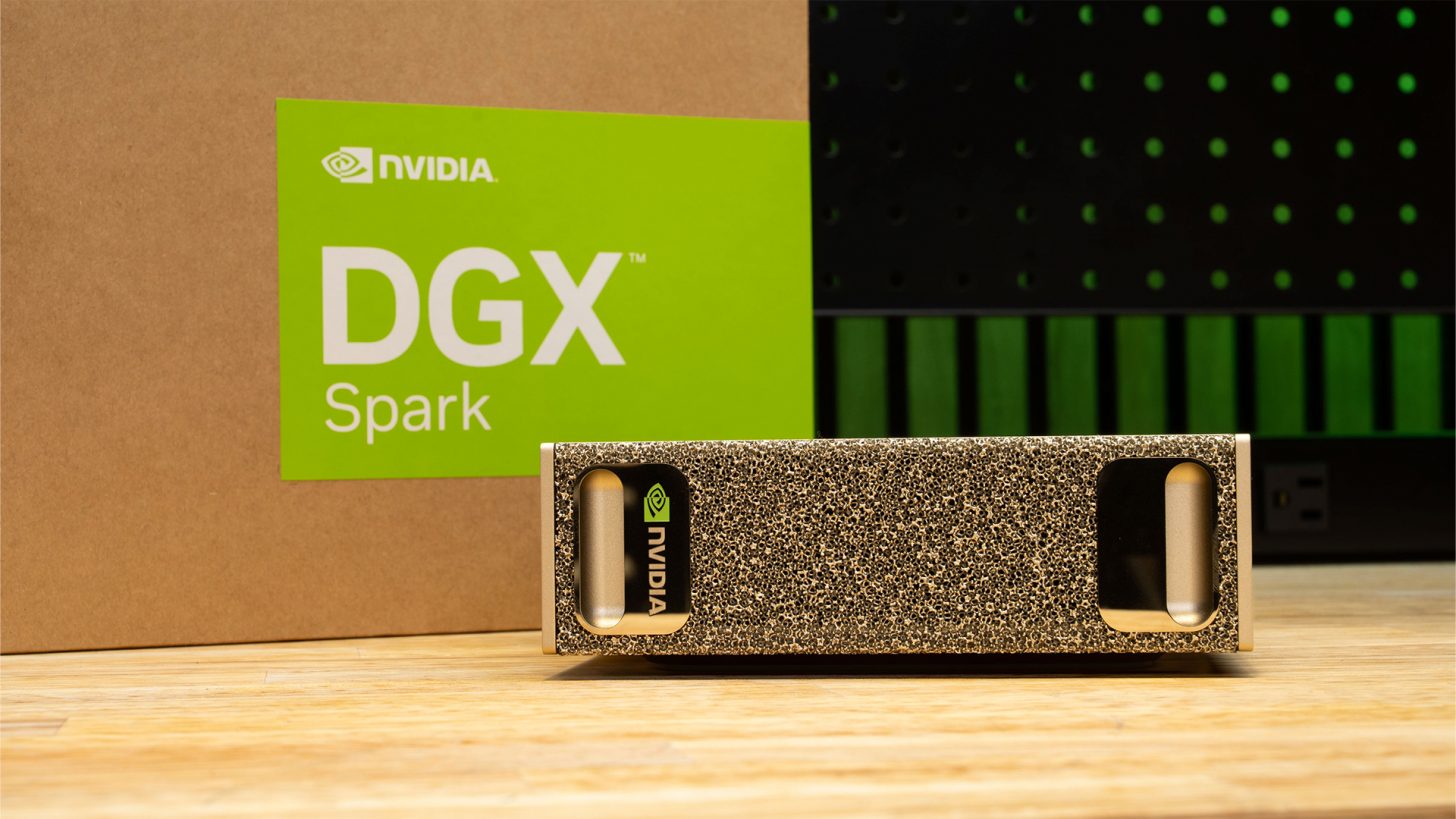
The NVIDIA DGX Spark is presented as a top-tier AI PC for agent-focused professionals requiring a Linux environment. It offers substantial memory, powerful processing capabilities, and seamless integration with NVIDIA’s CUDA ecosystem. This month’s DGX Spark OS updates focus on performance improvements, including a revamped NeMoCLAW installer and accelerated inference for popular agent models. NeMoCLAW is now available on all NVIDIA RTX and DGX PCs running Linux or the Windows Subsystem for Linux. Furthermore, deploying local agents in Linux environments is now more secure with simplified installers that feature auto-sandboxing and enhanced Hermes Agent support. NVIDIA’s collaboration with VLLM has resulted in up to 2.6 times improved agent inference performance on DGX Spark compared to previous NVFP4 checkpoints from Unsloth, achieved through kernel improvements, mixed precision, and CUDA Graph support for MTP. Quantized Holo Computer Use models, developed by NVIDIA and The H Company, are now available. These models offer double the speed and utilize 35% less memory on NVIDIA GPUs. The Holo Desktop app is scheduled for release soon, with Linux agent optimizations also in development.
Optimizing AI Content with Real-Time Frame Rate Boost on RTX Spark Computers via RTX Video Frame Generation
The new RTX Spark computers introduce RTX Video Frame Generation, an AI effect that can double or quadruple video frame rates in real-time. This is particularly useful for content generated by AI models that typically produce lower frame rates, around 15 to 20 frames per second. This feature is available as a Python wheel package and a node for ComfyUI, enabling artists to create videos at lower frame rates and then smooth them for playback.
In Case You Missed It
Intrigued by our recent deep dive into the latest gaming trends? You’re in for a treat with three must-read articles published just this week! Carlos Mendoza explores how TCL is shaking up the gaming monitor market with their ambitious lineup of high-end displays at surprisingly affordable prices, from the first-ever OLED display to esports-oriented models. Check out “TCL Bets Big on Gaming” TCL Bets Big on Gaming: OLED, Mini LED Screens, Esports Models at Aggressive Prices. Meanwhile, Marcus Thompson brings you exciting news about the Teenage Mutant Ninja Turtles series’ comeback with “Teenage Mutant Ninja Turtles: The Last Ronin”. This action-adventure game promises a darker and more mature take on the beloved turtles, exploring themes of grief, vengeance, and legacy. With PlatinumGames at the helm, expect nothing short of spectacular combat and storytelling in this alternate future where only one turtle warrior remains to confront the powerful Foot Clan led by Shredder’s grandson. Dive into the chaos now: Teenage Mutant Ninja Turtles: The Last Ronin Resurrected by Paramount Games Studio and PlatinumGames. Lastly, Marcus Thompson also shares a comprehensive rundown of Io Interactive’s plans for the post-launch expansion of their hit game “007 First Light”, which has already sold over 2.7 million copies across platforms. With new missions in Tacsim mode, enhanced Path Tracing support, and intriguing additions like the G2 glasses on the way, there’s plenty to anticipate! Don’t miss out; check it out here 007 First Light Continues to Thrive: Sales Overview and Roadmap Details.

Have any thoughts?
Share your reaction or leave a quick response — we’d love to hear what you think!
-
 0
0
-
0
-
0
-
0
-
0
-
0


