Key Takeaways
Created with AI - we're still experimenting, so apologies if it misses the mark
- Brazilian Cultural Minister Margareth Menezes celebrated the four Academy Award nominations for O Agente Secreto, emphasizing their global impact on Brazilian cultural productions.
- Menezes believes that investing in culture, art, education, and research empowers communities, fosters artistic creation, and expands the creative economy.
- Public policies focused on improving quality of life are crucial, according to Menezes, as they create opportunities and reduce social disparities by increasing access to culture and education.
- Menezes advocates for preserving Brazils cultural resources and heritage, arguing that it strengthens national culture, spurs economic growth, opens doors in the arts and audiovisual industries, and increases the visibility of Brazilian works within their own market. She also urged caution against projects that exploit national resources for the benefit of a select few.
Recommended products
This page contains affiliate links. As an Amazon Associate, we earn a commission from purchases made through these links.

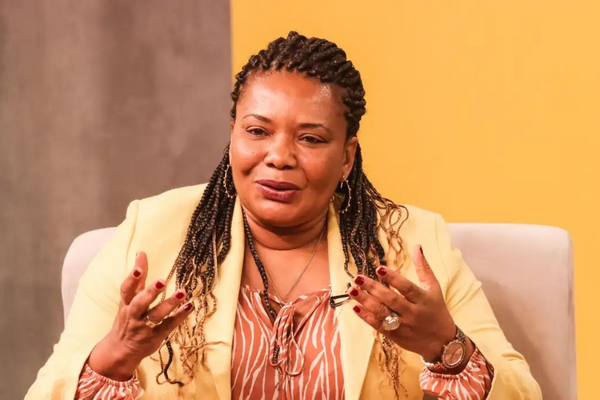
During a March 16, 2026, interview on Radio Nacional’s Alo Alo Brasil, Brazilian Culture Minister Margareth Menezes spoke with host Jose Luiz Datena about the film O Agente Secreto (The Secret Agent). Portal Uai notes that the following text reflects the opinion of Minister Menezes, and not necessarily the opinion of Portal Uai itself. Menezes celebrated the film’s four Academy Award nominations for 2026, including Melhor Direcao de Elenco (Best Ensemble Cast Direction), calling the nominations “grandiose.” Directed by Kleber Mendonca Filho, O Agente Secreto also received nominations for Best Film, Best International Feature Film, and Best Actor for Wagner Moura. The minister emphasized that these nominations elevated Brazilian cultural productions on the global stage, stimulating discussions about policies supporting audiovisual content. She argued that continued investments in culture, art, education, and research – and in the policies that support them – will strengthen the culture production chain, creating more opportunities for industry professionals and fostering the continued growth of Brazilian cinema.
Empowering Brazil’s Population Through Cultural Investment and Quality of Life Policies
Menezes stressed that such investment is essential to empower the population. Specifically, she believes that allocating resources to culture, art, education, and research builds communities, fosters artistic creation, and expands the creative economy. Furthermore, she stated that public policies focused on improving quality of life are crucial, as increased access to culture and education creates opportunities and reduces social disparities, enabling people to pursue lives beyond basic economic needs. The minister also emphasized the importance of preserving the country’s cultural resources and heritage, stating that ongoing investments and structural policies are crucial for strengthening national culture. In her view, encouraging national cultural production spurs economic growth, opens doors in the arts and audiovisual industries, and increases the visibility of Brazilian works within their own market. Menezes concluded by advocating for increased consumption of Brazilian culture to fortify the nation’s economy. She cautioned, however, against “projects that deconstruct [Brazil’s riches] and exploit national resources for the benefit of a select few,” as she put it.
In Case You Missed It
In a trio of exciting developments in Brazil’s digital landscape, Bruno Pferd has been exploring the shaping of multimedia professions and gaming governance. First, he analyzed President Lula’s sanctioning of Law No. 15,325/2026, which defines and recognizes the role of multimedia professionals (“President Lula Sanctions Law Regulating Multimedia Profession Practice”, published February 9th) President Lula Sanctions Law Regulating Multimedia Profession Practice. Then, he delved into the formation of an interministerial working group aimed at regulating Brazil’s electronic games law, led by the Ministry of Culture with the participation of the Sports Ministry and other stakeholders (“Brazilian Sports Ministry Joins Inter-Ministerial Group to Regulate Electronic Games Law”, published February 13th) Brazilian Sports Ministry Joins Inter-Ministerial Group to Regulate Electronic Games Law, Coordinated by Ministry of Culture. Lastly, Bruno explored the Ministry of Culture’s latest move to regulate electronic games through a newly formed Interministerial Working Group with ABRANGAMES, set to strengthen Brazil’s gaming sector (“Ministry of Culture Installs Group to Regulate Games Law with ABRANGAMES”, published February 12th) Ministry of Culture Installs Group to Regulate Games Law with ABRANGAMES.

They also talk about it
Links to external sources for further reading
- Investimento em cultura é apontado como estratégia de desenvolvimentoInvestimento em cultura é apontado como estratégia de desenvolvimentojornalgrandebahia.com.br
Have any thoughts?
Share your reaction or leave a quick response — we’d love to hear what you think!
-
 0
0
-
0
-
0
-
0
-
0
-
0


