Reusing Assets Isn't Laziness, Says Former Far Cry Director
Developers can effectively use asset reuse, as demonstrated by examples like Assassin's Creed and Yakuza, to streamline production without sacrificing creativity or quality, according to Alex Hutchinson, director of Far Cry 4.
Ahmed Hassan · 2 min read

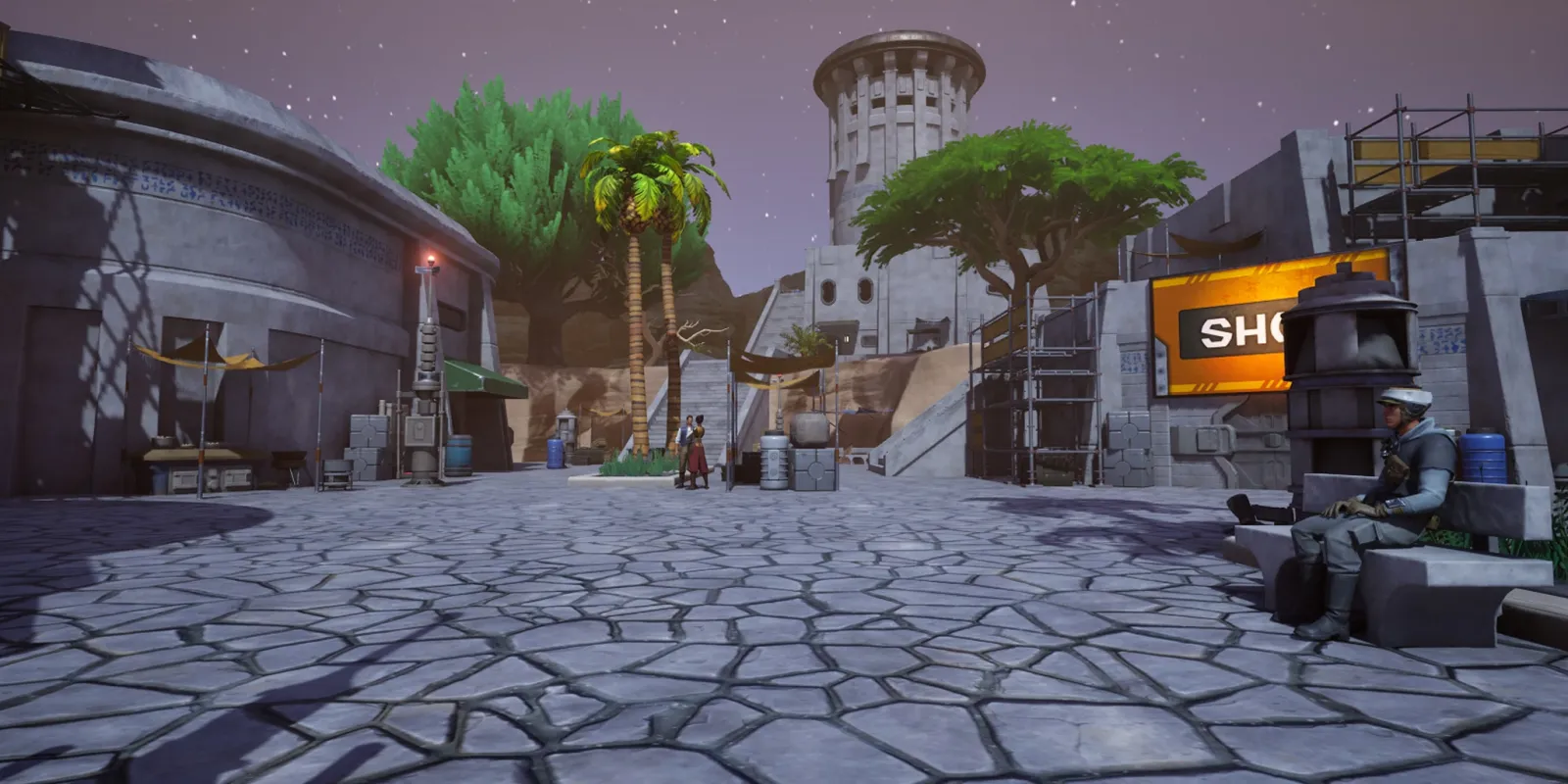
Former Far Cry 4 director Alex Hutchinson believes players should understand the value of resource sharing in video games, noting its usefulness for production and refuting claims that it indicates laziness. Hutchinson, who also directed Far Cry Primal, expressed frustration with the controversy, recalling the criticism leveled against both titles for recycling content. Hutchinson told PCGamer he anticipated the reaction to Far Cry's shared assets. He suggested that openly acknowledging the reuse could mitigate criticism. His recommendation was to frame the shared location as the same site from 40,000 years prior to make it seem intentional. Hutchinson states that game studios often waste time remaking assets instead of reusing existing ones. He cites the Assassin's Creed franchise as an example of a major studio where animations are frequently reworked, building upon previous iterations. According to Hutchinson, Assassin's Creed: Black Flag reused almost 80% of Assassin's Creed III's animations. The Yakuza series exemplifies asset reuse by revisiting similar locations across different titles. Hutchinson notes that modern game engines are simplifying the process for developers to share resources between projects, thereby facilitating the practice.
Efficiency Shift in Game Development: AI, Resource Sharing, and Engine Adoption
Looking ahead, Hutchinson anticipates that AI will play a significant role in game development. He also finds it strange that Western producers often re-record weapon sounds for new games even when the original sounds are suitable. "We do a lot of silly things in the industry," Hutchinson said, suggesting the industry repeats itself too often. Hutchinson observes that Western game developers are currently struggling, while Asian developers are thriving—a reversal of the situation from 15 years ago. This shift relates to efficiency. He attributes some of the past difficulties faced by Japanese studios to their practice of developing custom engines for each game and believes they have since addressed this by embracing existing engines and toolsets. Hutchinson offers Silent Hill as another example of effective resource sharing, noting how fog enhances the experience and masks limitations. He hopes modern engines will enable a shift away from unnecessary rework.
In Case You Missed It
In an exciting exploration of game development, former Ubisoft director Alex Hutchinson recently sat down with Bruno Pferd to discuss the creative processes behind Assassin's Creed 3. Published on August 18th, this insightful interview offers a fascinating peek into how pressure to extend playtime and delay resale influenced the making of one of Ubisoft's most iconic franchises. Hutchinson shares unique insights into the strategic decisions that shaped the game, making "Delaying Resale Motivated Additional Elements in Assassin's Creed" Delaying Resale Motivated Additional Elements in Assassin's Creed a must-read for fans eager to understand the story behind their favorite historical adventure.


// The Friday recap
Enjoyed this article? You will like the Friday recap.
Where to buy
As an Amazon Associate we earn from qualifying purchases.

NECA
See the price on Amazon
NECA
See the price on Amazon
McFarlane Toys
See the price on Amazon
TAMASHII NATIONS - Tekken 8 - Kazuya Mishima, Bandai Spirits S.H.Figuarts Action Figure
See the price on Amazon
Medieval Action Figures,Knight Armor Action Figure,Multi-Jointed Movable Robot Mannequin T13,Dummy 13 Action Figure(Assembly Required) (C-Red)
See the price on Amazon
McFarlane Toys - Bleach: Thousand-Year Blood War Byakuya Kuchiki 7in Action Figure
See the price on Amazon