Key Takeaways
Created with AI - we're still experimenting, so apologies if it misses the mark
- Escalating tensions between the U.S. and Iran led to increased oil prices, with Brent crude climbing 6.7 to $77.74 per barrel and U.S. benchmark crude rising 6.3 to $71.23 per barrel. This could lead to inflation concerns and potential supply chain disruptions.
- The U.S. administration under President Trump shifted its stated goal from containing Irans nuclear program to regime change, with the conflict having implications for global stock markets and central banks.
- Housing industry stocks declined amid concerns that higher Treasury yields could lead to increased mortgage rates, while shares of Petrobras, Petrorio, and Petroreconcavo saw significant gains due to rising oil prices.
- Two potential scenarios were outlined by analysts for the conflicts impact: a 4-7 day conflict followed by internal instability within Iran, or a protracted conflict causing oil prices to rise above $100 per barrel and leading to a stock market correction. The latter scenario could also result in extended supply chain disruptions for China and Europe, creating difficulties for central banks.
Recommended products
This page contains affiliate links. As an Amazon Associate, we earn a commission from purchases made through these links.




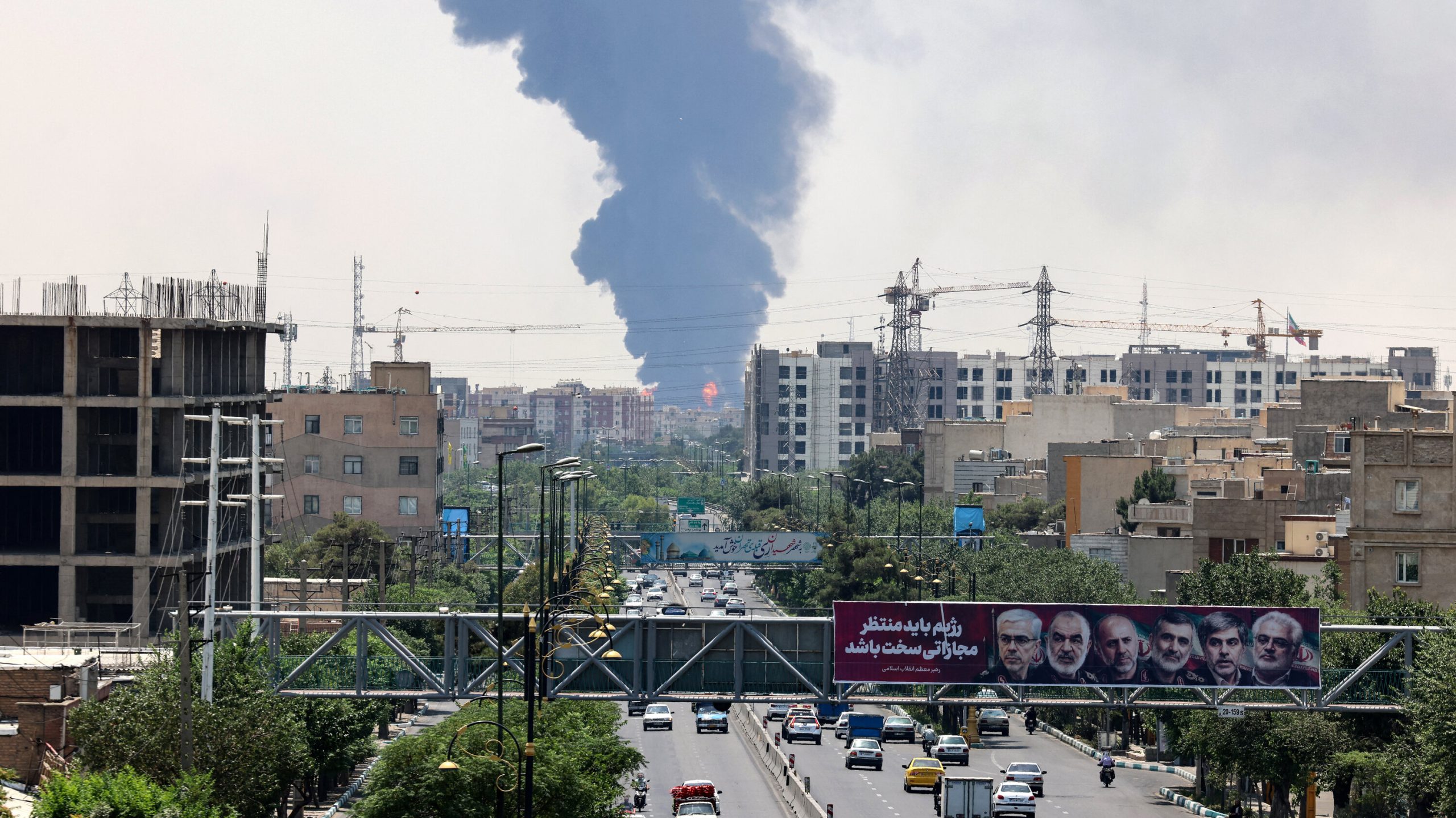
On Monday, March 2, 2026, the dollar closed 0.59 higher at R5.1642, while Brazil’s Ibovespa stock index rose 0.28 to 189,307 points, boosted by gains in oil and gas stocks. Investors bought shares during early dips, supporting global stock markets. These market movements coincided with escalating tensions between the U.S. and Iran. Reports indicated that Supreme Leader Ayatollah Ali Khamenei and other Iranian leaders died during a U.S. and Israeli attack. In response, Tehran targeted Israel, American bases in Bahrain, Kuwait, and Qatar, and civilian infrastructure across the Gulf region. The U.S. administration, under President Donald Trump, shifted its stated goal from containing Iran’s nuclear program to regime change. In a White House video, Trump affirmed that U.S. actions would continue “with full force until objectives are met.” The conflict drove oil prices higher, with U.S. benchmark crude rising 6.3 to $71.23 per barrel and Brent crude climbing 6.7 to $77.74 per barrel. War-related disruptions raised concerns about global oil supply and increased inflation. Shares of Petrobras rose 4, while Petrorio and Petroreconcavo stocks advanced nearly 5 and 3, respectively, according to G1.
Conversely, housing industry stocks declined amid concerns that higher Treasury yields could lead to increased mortgage rates. While the U.S. has limited trade reliance on the Straits of Hormuz, rising oil prices could increase costs for Americans, becoming a point of contention in the upcoming midterm elections and complicating the Federal Reserve’s monetary policy planning. Another supply-side inflation shock, combined with the ongoing effects of tariffs, could hinder near-term interest rate reductions. A prolonged conflict could also reduce business investment and consumer confidence, negatively impacting economic growth. Adding to economic concerns, Norwegian Cruise Line Holdings underperformed due to weaker-than-expected revenue for the latest quarter and reduced profit expectations for the upcoming fiscal year, despite reporting better profits than analysts anticipated. Analysts outlined two potential scenarios arising from the conflict: Scenario 1: Projects a 4-7 day conflict followed by internal instability within Iran. This scenario anticipates rising oil prices and focuses on tariffs, growth gaps, and artificial intelligence (AI).
Protracted US-Iran Conflict Pushes Oil Prices Higher, Raising Concerns for Central Banks and Stock Markets
Scenario 2: Envisions a protracted conflict due to Iran’s increased economic warfare, potentially driving oil prices above $100 per barrel and causing a significant stock market correction. This scenario anticipates extended supply chain disruptions for China and Europe, creating a difficult situation for central banks. If oil prices reach $100-140, European gas prices could rise to $80-100 per MWh if LNG markets anticipate long-term losses to Qatari supply. Sustained high oil prices might also delay any monetary policy easing. In foreign exchange markets, investors considered parallels to March 2022, where U.S. energy independence strengthened the dollar against European and Asian currencies dependent on fossil fuel imports. By day’s end, Brent crude oil advanced 7.56 to $78.38 per barrel, and WTI rose 6.68 to $71.50 per barrel. The preceding information is based on market reports and does not necessarily reflect the opinion of the Portal Uai.
In Case You Missed It
In our pursuit of staying current with all things gaming, let’s start by diving into Bruno Pferd’s latest exploration of the mixed reactions to Amazon’s first look at their upcoming God of War series adaptation in his post “God of War: Amazon’s First Image Sparks Widespread Internet Disappointment” God of War: Amazon’s First Image Sparks Widespread Internet Disappointment. Published on February 27th, Bruno takes us behind the scenes to analyze the intricacies of the image and the internet’s response, leaving us eager for more updates. Meanwhile, Sophie Laurent dishes the dirt on Bethesda’s Starfield reportedly making its way to PS5 soon in her post “Ambitious Xbox Game for PlayStation 5”, published on March 2nd Ambitious Xbox Game for PlayStation 5. With prices and release dates straight from Billbil-kun’s reliable sources, it’s a must-read for all you PlayStation enthusiasts waiting for this massive space RPG. And midway through our exploration of recent gaming developments, Marcus Thompson provides a timely piece on the Warhammer 40,000: Space Marine 2 saga in his post “Nearly Flawless Journey of Space Marine 2 Faces First Major Setback” Nearly Flawless Journey of Space Marine 2 Faces First Major Setback. Published on March 2nd, Marcus delves into the unexpected backlash against the game’s Chapter Voice Pack 1 DLC and provides a detailed breakdown of player grievances and community sentiment, making it a must-read for fans eager to understand the controversy surrounding this otherwise praised title.
They also talk about it
Links to external sources for further reading
- War in the Middle East - implications for markets and macroWar in the Middle East - implications for markets and macroreuters.com
- US stocks erase sharp losses, while oil prices leap on worries about Iran warUS stocks erase sharp losses, while oil prices leap on worries about Iran warthink.ing.com
Have any thoughts?
Share your reaction or leave a quick response — we’d love to hear what you think!
-
 0
0
-
0
-
0
-
0
-
0
-
0


