Key Takeaways
Created with AI - we're still experimenting, so apologies if it misses the mark
- Financial instability is prevalent in Japans anime production studios, with eight closures or bankruptcies between January and September 2025.
- The increasing global popularity of anime has led to a higher demand for productions, but the declining local workforce necessitates hiring talent internationally, which inflates costs due to the weak yen.
- Major corporations like Sonys Aniplex acquire distribution and production rights, retaining a majority of the revenue while leaving smaller studios struggling economically.
- Studios like Studio Mappa, known for Chainsaw Man, are independently financed but face risks associated with production costs and potential financial instability despite high demand for their work.
Recommended products
This page contains affiliate links. As an Amazon Associate, we earn a commission from purchases made through these links.


Funko


Japan’s Anime Studios Grapple with Financial Instability Amid Global Popularity and Shrinking Local Workforce
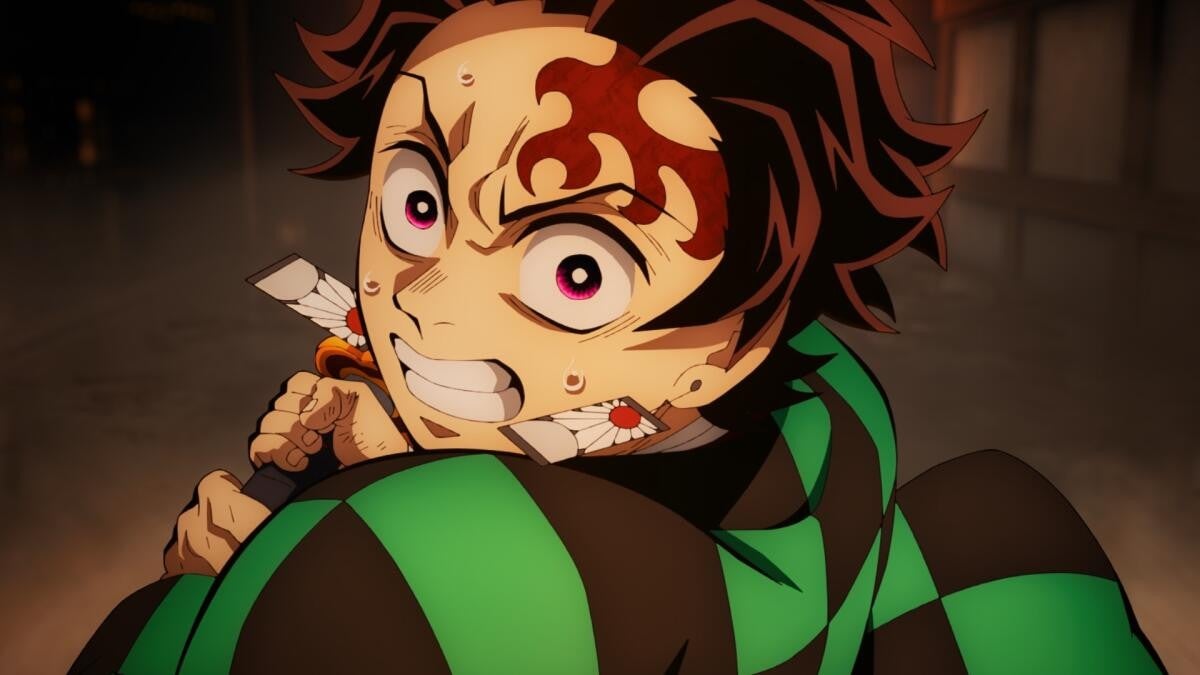
Anime production studios in Japan face significant financial challenges. Between January and September 2025, eight studios closed or declared bankruptcy. According to CBR, the situation is even more critical, with many smaller studios and freelance animators disappearing without official record—some reportedly unable to pay even basic living expenses. The increasing global popularity of anime has created more demand, but Japan’s declining local workforce has led studios to hire talent internationally. The weak yen has inflated these payment costs, diminishing project profitability and leaving many studios in a precarious financial state, dependent on immediate returns to fund upcoming projects. Major corporations like Sony’s Aniplex retain a majority of the revenue by acquiring distribution and production rights. As a result, studios responsible for the labor-intensive work struggle economically; Aniplex, for example, contracted Ufotable to produce Demon Slayer: Infinity Castle. In contrast, Studio Mappa, known for Chainsaw Man, independently finances its anime productions and assumes all associated risks. As anime continues to grow in popularity, many other studios operate at full capacity while teetering on the brink of bankruptcy, highlighting the instability within the industry.
In Case You Missed It
In the world of Final Fantasy, Carlos Mendoza has just published an insightful article titled ‘FF7 Rebirth Welcomes New Update with Highly Requested Features on PC’, exploring how the latest update enhances stability across platforms and addresses fan requests. Published on November 5th, this piece is a must-read for anyone eager to stay updated with FF7’s future FF7 Rebirth Welcomes New Update with Highly Requested Features on PC. Meanwhile, Marcus Thompson recently delved into the surprising success of Oblivion: Remaster in his article “Oblivion: Remaster is This Year’s Most Successful Relaunch”, published on November 4th. Examining Ampere Analysis’ study on game relaunches, Thompson reveals how remakes often outperform remasters financially, but Oblivion’s remaster stands as a notable exception Oblivion: Remaster is This Year’s Most Successful Relaunch. And in exciting news from Nintendo, Carlos Mendoza explores their latest strategy for cinematic domination in his article “Nintendo Aims for Consistent Release Cadence in Movies”, published on November 7th. Here, you’ll find a deep dive into Nintendo’s plans to strengthen its business and create more joy for fans through consistent movie releases Nintendo Aims for Consistent Release Cadence in Movies.

Have any thoughts?
Share your reaction or leave a quick response — we’d love to hear what you think!
-
 0
0
-
0
-
0
-
0
-
0
-
0


