Key Takeaways
Created with AI - we're still experimenting, so apologies if it misses the mark
- Saros, a new game from Housemarque, is a spiritual successor to their successful title Returnal. It features a shift in protagonist and visual palette while retaining a mysterious narrative.
- Saros aims for greater accessibility than its predecessor by toning down extreme difficulty and roguelite aspects, but still offers challenging gameplay. Players can opt for Carcosian modifiers to adjust the challenge level.
- Saros introduces new mechanics such as the Soltari shield, which absorbs certain attacks and converts their energy into usable power. The relic system is also present, offering bonuses with drawbacks that impact player progression.
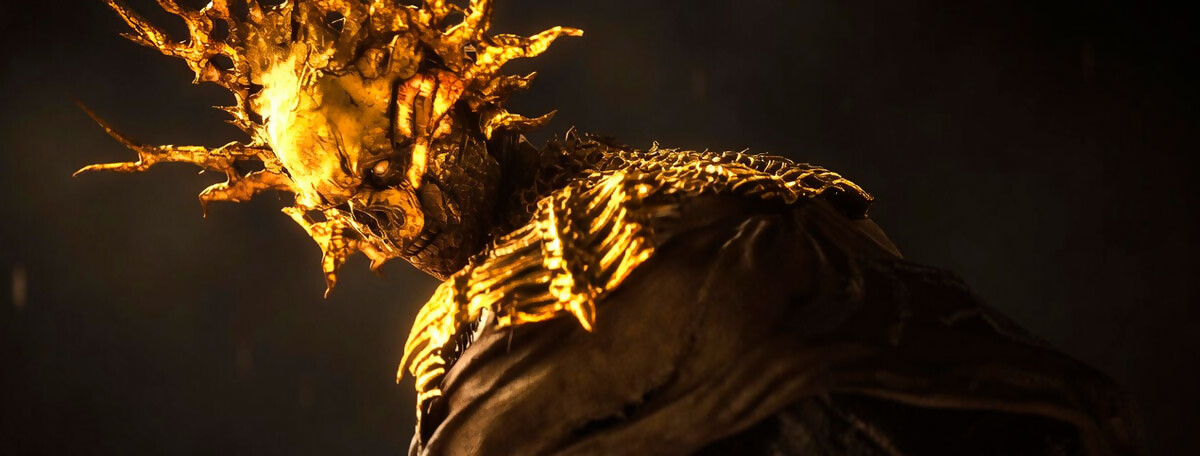
- The game maintains Housemarques signature intense combat and fast pace, running smoothly on both standard and Pro versions of the PS5. Its art style is inspired by H.R. Giger, immersing players in a sci-fi world filled with cosmic horror.
Recommended products
This page contains affiliate links. As an Amazon Associate, we earn a commission from purchases made through these links.


Housemarque, a Finnish studio with a 31-year history, is widely recognized for its recent success with Returnal. Before focusing on shoot ’em ups, the studio explored various genres, including adventure and sports titles. Returnal, released on the PlayStation 5, offered a challenging, ultrahardcore experience that resonated with a dedicated player base. Now, Housemarque introduces Saros, a spiritual successor to Returnal. The game shifts the protagonist from Selene to Arjun, a male character, while retaining a mysterious narrative. The visual palette also changes, moving from Returnal’s cold blues to Saros’s hot reds. While still demanding, Saros aims for greater accessibility than its predecessor. Saros shares many elements with Returnal, which gained popularity five years ago. However, Housemarque has incorporated player feedback to refine the experience. The extreme difficulty and roguelite aspects have been toned down to make Saros more approachable. Unlike Returnal, where death resulted in losing all progress, Saros implements a system where players retain gathered resources and power-ups after respawning, making progression less punishing.
The game’s difficulty has been adjusted to offer a more forgiving experience, though players will still encounter challenges and moments of frustration. The core catchphrase, “you’re beefed up,” reflects the permanent upgrades Arjun gains after each respawn, increasing his power and toughness. While this makes the game less of a struggle, mastering its unique mechanics and overcoming the early challenges, especially before encountering the Carcosian modifiers, remains demanding. Starting from biome three, Saros introduces Carcosian modifiers, optional bonuses that players can choose to activate. These modifiers can ease progression but come with associated downsides, functioning as a dynamic difficulty adjustment. This feature allows players to tailor the challenge to their preference, catering to both newcomers and veteran players seeking a more intense experience. This approach has led to discussions about whether Housemarque is prioritizing broader appeal over the game’s original concept, though hardcore players can opt out of these modifiers to maintain a high level of difficulty.
Saros attempts to balance its challenging gameplay with broader appeal. When Arjun opens a demonic portal, he enters a more difficult world with enhanced enemies and obstacles, and relics come with steeper penalties. To prevent player overwhelm, Saros features a less strictly procedural design than Returnal. While levels may vary, the core environment design remains consistent, which may lead to a sense of repetition for some players. Ultimately, Saros represents Housemarque’s effort to make its games more accessible without sacrificing their signature challenge. Similar to Returnal, Saros features a relic system where artifacts offer significant bonuses but often come with drawbacks. In the regular state of Carcosa, these relics are helpful. However, during an eclipse, each bonus is paired with a penalty, which can drastically alter gameplay and necessitate careful consideration before acquiring any item. Once a relic is obtained in Saros, it cannot be removed mid-cycle, making each choice critical and impactful on player progression. The game emphasizes survival instinct, requiring quick reflexes and strategic decision-making.
The game introduces the Soltari shield for Arjun, which can absorb certain blue attacks and convert their energy into usable power. This absorbed energy is crucial for utilizing secondary weapons, which are more potent and can significantly impact combat, particularly against challenging bosses. Despite expectations for a more cohesive narrative than Returnal, Saros’s storytelling remains complex and difficult to follow. The game provides some insight into Arjun’s motivations for confronting Carcosa’s creatures and facing repeated deaths, but the overall narrative and supporting characters are underdeveloped. Arjun Devraj is sent to investigate disappearing colonies on planet Carcosa, where inhabitants vanish, people descend into madness, and an eclipse causes reality distortions. The game challenges players to unravel these mysteries while understanding Arjun’s unexplained resurrections. Saros offers a less harsh progression system than Returnal, featuring permanent resources after respawning and adjustable difficulty settings. It maintains Housemarque’s intense combat and fast pace, enhanced by Arjun’s shield and more powerful secondary weapons.
Saros: Giger-Inspired Terror and DualSense Immersion on PS5
Saros maintains visual clarity even amidst its chaotic on-screen action, running smoothly on both standard and Pro versions of the PS5. Its art style, inspired by H.R. Giger, delves into a sci-fi world filled with cosmic horror, hybrid creatures, and Lovecraftian influences, similar to Returnal. However, the repetition of environments towards the end can make the experience feel somewhat familiar. Housemarque has effectively utilized the PS5’s DualSense controller in Saros, enhancing the feeling of immersion through adaptive triggers and haptic feedback. Players can expect around 25 hours of gameplay, though the difficulty, particularly in areas like the second biome, can significantly extend this playtime depending on player skill.
In Case You Missed It
In a surprising turn of events, Ubisoft has pulled the plug on Alterra, an upcoming life simulation game that promised to blend the charm of Animal Crossing with the open-world freedom of Minecraft. While fans eagerly awaited its release, Ubisoft Blue Byte’s ambitious project has been shelved amidst the company’s ongoing restructuring efforts. For more insight into this cancellation and other recent shifts in Ubisoft’s game development pipeline, check out Carlos Mendoza’s article “Ubisoft Cancelled Alterra: A Life Simulation Game Like Animal Crossing” published on April 23rd Ubisoft Cancelled Alterra, a Life Simulation Game Like Animal Crossing. Meanwhile, in other gaming news, Jonathan Dubinski takes a deep dive into the upcoming release of Saros for the PS5 Pro. Published just yesterday, his insightful article “Saros is PS5 Pro Enhanced” explores how this Housemarque Studios game harnesses the power of the PS5 Pro to deliver unparalleled visuals and performance, with impressive resolution boosts and improved graphics, albeit with a few minor trade-offs during cutscenes. Head over to Players for Life to read more about this exciting PS5 Pro enhancement Saros is PS5 Pro Enhanced. As you dive deeper into the bustling streets of Paris during its Revolution, mark your calendars for another thrilling journey in Ubisoft’s vast sandbox – Jonathan Dubinski has recently announced that Assassin’s Creed™ Black Flag Resynced is set to release globally on July 9, 2026! This isn’t just a regular remake; it’s a faithful resynchronization of one of Ubisoft’s most beloved titles, allowing you to explore the Golden Age of Piracy as Edward Kenway with improved gameplay and visuals, plus new narrative content. So hoist the colors and ready your cannons – you won’t want to miss out on this much-anticipated re-release! Discover more in Jonathan’s comprehensive article here Assassin’s Creed Black Flag Resynced to be Released Globally on July 9, 2026.

Have any thoughts?
Share your reaction or leave a quick response — we’d love to hear what you think!
-
 0
0
-
0
-
0
-
0
-
0
-
0


