Key Takeaways
Created with AI - we're still experimenting, so apologies if it misses the mark
- Cannon Group specialized in low-budget direct-to-video releases that blended diverse genres like ninjas and demons with slapstick charm.
- The studio relied on ambitious, cost-cutting strategies such as shared crews and altered character designs to maximize output despite financial struggles.
- While films starring major talents like Sylvester Stallone often suffered from poor production quality due to their massive salaries, they remain nostalgic entries in cult history.
- Behind the mediocre films lies a compelling story of industry disruption that launched careers for stars like Jean-Claude Van Damme and revitalized others like Charles Bronson.
Recommended products
This page contains affiliate links. As an Amazon Associate, we earn a commission from purchases made through these links.
The Cannon Group was an American studio that specialized in mid- to low-budget films primarily for the home video market. These films were released directly to VHS catalogs without prior theatrical distribution. This strategy allowed Cannon to produce some of the most notable films of the 1980s and 1990s, often featured on television programming. While exploring various genres, Cannon films retained a distinct charm characterized by slapstick elements and understated performances. The following list highlights five films recommended as an introduction to Cannon’s extensive filmography. The final entry is a documentary detailing the studio’s unconventional production practices, making it essential viewing for fans of films that are so bad they are good.
Although often considered the final installment in Cannon’s Ninja Trilogy, Ninja 3: Domination has no direct narrative connection to its predecessors, allowing viewers to watch it independently. Actor Sho Kosugi appears across all three films, portraying different characters each time. This particular movie draws inspiration from The Exorcist and Flashdance, incorporating ninjas into its unique blend of themes. The fusion of these disparate elements is evident in scenes where the spirit’s manifestation causes the protagonist to break into spontaneous dance, reminiscent of Flashdance. Furthermore, the spirit’s visual and vocal transformations when possessing the protagonist echo The Exorcist’s depiction of demonic possession, albeit without the explicit vomiting or blasphemy. The film centers on Christie Ryder, an electrician and aerobics instructor haunted by a vengeful ninja spirit. Her plight is addressed by Goro Yamada, played by Sho Kosugi, who purges the malevolent energy using martial arts techniques. While a synopsis might suggest a disjointed narrative, the on-screen execution proves to be even more peculiar than words can convey.
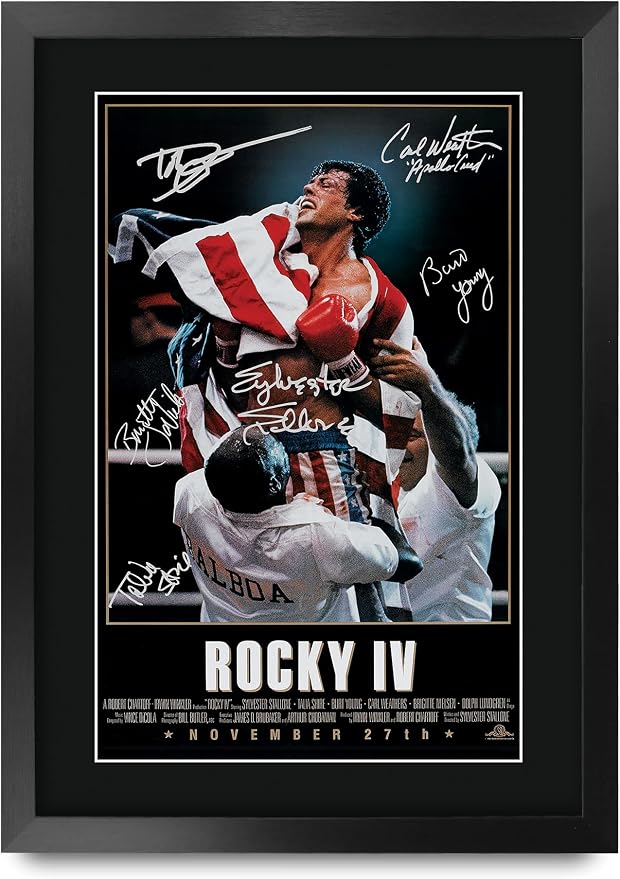
Cannon Group often sought to collaborate with established actors and directors, a strategy that extended to Sylvester Stallone. Stallone reportedly commanded a significant fee of $12 million for his involvement, and Cannon agreed to the terms. Stallone starred in Rocky Cobra, a fixture of late-night film showcases, and Falcão: The Ultimate Champion, a popular film featured in afternoon programming blocks. However, Stallone’s substantial salary consumed a large portion of the film’s budget, impacting its overall production quality. Falcão attempts to replicate the underdog narrative of Rocky, focusing on a fighter’s rise from obscurity, but it lacks the original’s finesse. The film’s inclusion of brutal bare-knuckle fights contributes to its appeal, though it achieved greater success in Brazil than in the United States.
Masters of the Universe recently resurfaced, tapping into nostalgia for audiences who grew up with He-Man’s animated series and toys. In contrast to more recent adaptations that adhere closely to the original source material, Cannon’s film, starring Dolph Lundgren, features altered character designs and introduces new characters not present in the cartoon. This deviation exemplifies Cannon’s production methods, often driven by budgetary constraints. By this stage, the studio was struggling financially, lacking the funds to create elaborate sets for the planet Eternia. Consequently, the majority of the story is set on Earth. Despite its limited resources, the film remains entertaining. However, it also stands as a significant disappointment for many fans, concluding with a cliffhanger for a sequel that was never produced, a fate possibly linked to Cannon’s subsequent financial collapse.
Similar to Falcão, Superman IV: The Quest for Peace suffered from budget limitations after a substantial portion was allocated to star Christopher Reeve. This resulted in special effects that were notably subpar. As the fourth and only Cannon-produced Superman film starring Reeve, it was significantly affected by the studio’s financial difficulties, leading to considerable production cutbacks. While not the most engaging entry in the Superman series, its remarkably poor special effects make it a prime example of a film that is so bad it’s good.
This documentary chronicles the rise and fall of The Cannon Group, tracing its transformation into a high-volume film production company. Cousins Menahem Golan and Yoram Globus spearheaded the studio, prioritizing prolific output and cost-efficiency, often shooting multiple films concurrently with shared sets and crews. Electric Boogaloo reveals that despite the perceived low quality of its productions, Cannon harbored ambitious goals and played a role in launching the careers of stars like Jean-Claude Van Damme and Sharon Stone, as well as revitalizing the careers of established actors such as Charles Bronson. Cannon undeniably left its mark on independent film history, regardless of the varying quality of its output. Understanding the behind-the-scenes machinations makes the studio’s story more compelling than many of its films.
This list offers a glimpse into Cannon’s legacy, a mere fraction of its prolific output between 1967 and 1993. In the 1980s alone, Cannon released an impressive 162 films, a remarkable achievement for a studio with modest resources.
Have any thoughts?
Share your reaction or leave a quick response — we’d love to hear what you think!
-
 0
0
-
0
-
0
-
0
-
0
-
0


