Two Weights and Two Measures. Why Do We Forgive Bugs in Some Games but Not Others?
Join us as we delve into the intriguing world of 'two weights, two measures' in gaming, exploring how fame and corporate interests may influence critical reception, and inviting you to reflect on your own biases towards video games.
Carlos Mendoza · 4 min read
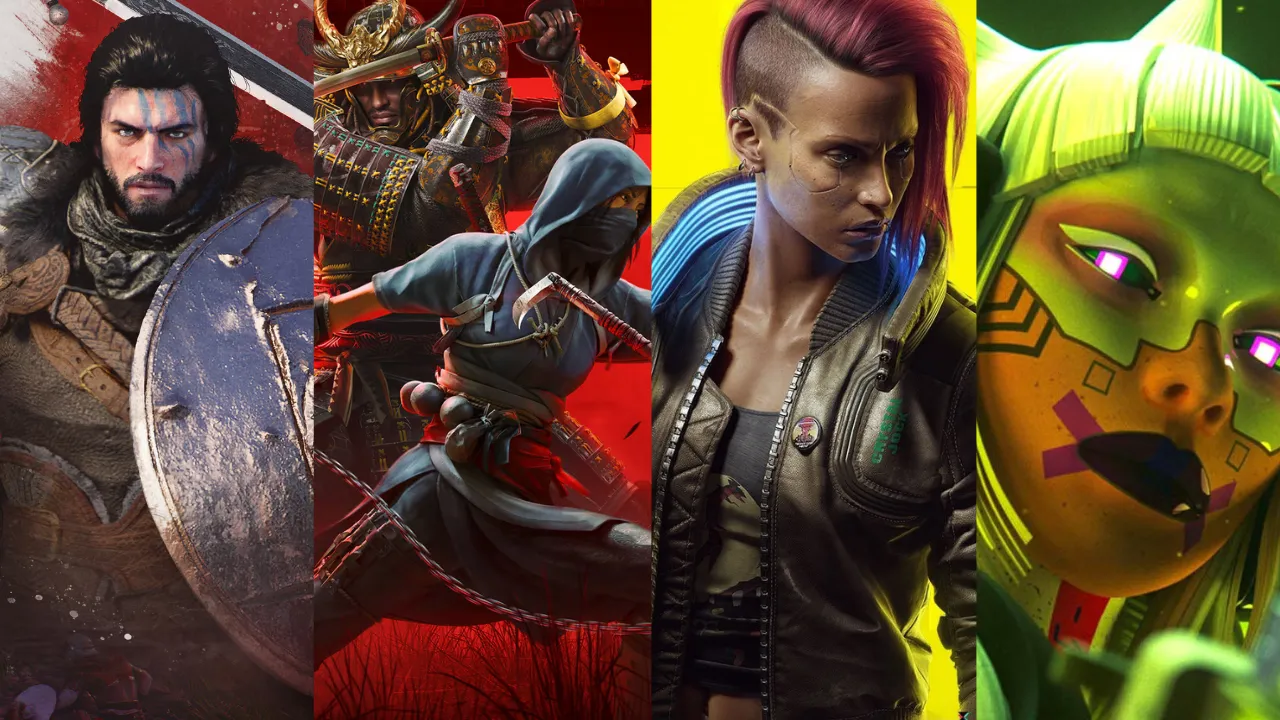
The video game industry is experiencing an era of extremes: budgets break records, development times often exceed half a decade, and consumer demand has never been greater. However, rising game and hardware prices have strained player patience. A closer look at recent major releases reveals a double standard in how the community, content creators, and critics respond to a game's technical state upon release, with the reaction often hinging more on the publisher's logo than the presence of bugs.
The recent launch of Crimson Desert exemplifies this. Despite arriving with technical issues, the game has been met with immense defense, patience, and praise for Pearl Abyss' ambition, the problems dismissed as minor hiccups. A similar situation occurred with S.T.A.L.K.E.R. 2: Heart of Chernobyl, released in a technically unacceptable state. Yet, the community accepted the bugs as part of the game's charm, understanding and applauding GSC Game World's effort amidst the ongoing war. This leniency extends to even the most respected studios. Todd Howard admitted that a few glitches in The Elder Scrolls V: Oblivion Remastered—including a bug affecting the first-person camera and Tandilwe's double-take voice line—were intentionally left unaddressed. Baldur's Gate 3 launched with Act 3 suffering from fluidity issues, while FromSoftware has a history of releasing masterpieces like Elden Ring and Bloodborne on PC with optimization or frame pacing problems. The community grumbles but quickly forgives, often because the overall quality outweighs the flaws.
However, some games seem predisposed to criticism. What if Crimson Desert had the logo of Ubisoft or EA on the cover? Star Wars Outlaws and Assassin's Creed Shadows, for instance, have faced intense scrutiny for technical issues and design flaws, which critics and players dissected as personal offenses rather than typical video game problems. A minor animation bug might result in a humorous GIF on X if it appears in an indie game, but the same issue in a Ubisoft game could generate 20-minute YouTube compilations declaring "THE END OF THE INDUSTRY." Even before its release, a vocal faction of the internet wished for Bungie's Marathon to fail, not out of gameplay criticism, but to punish the studio for past decisions in Destiny 2 and the stigma associated with live-service models.
This duality cannot be discussed without addressing the attention economy, where negativity drives clicks and indignation is highly profitable. Many YouTubers and streamers have realized that constructing a narrative of preventive hatred around certain games—usually from major traditional publishers—attracts far more views than balanced analysis. These content creators often encourage communities to hate the "publisher of the week" to foster a sense of belonging. By the time the game launches, the narrative is set: any bug, no matter how small, is amplified to justify pre-existing animosity. The story of Cyberpunk 2077 illustrates this perfectly. CD Projekt Red's game arrived in such poor condition on consoles that it led to mass returns and temporary removal from the PlayStation Store, becoming the internet's punching bag for months. However, after years of fixes and the release of the Phantom Liberty expansion, the community not only forgave CDPR but celebrated the studio, resulting in a glorious redemption arc. Would Arkane/Xbox's Redfall or EA's Anthem receive the same patience and second chance? History suggests that errors from less popular publishers are often considered fatal, while CDPR's mistakes were forgiven.
Game Quality Perception and Hypocrisy: Passion vs Profit in Bias Towards Bugs
Ultimately, this hypocrisy may stem from more than just algorithmic manipulation. The community seems willing to overlook imperfections when they sense genuine creative passion, artistic vision, and transparent communication from developers. Consider, for example, World of Warcraft: Midnight, praised despite needing a few tweaks, or the highly anticipated Marathon, which offers a substantial 77-hour playtime. This contrasts sharply with the reception of games perceived as corporate products—created by executives to please shareholders or force microtransactions. In those cases, bugs cease to be technical errors and instead symbolize greed and incompetence. What do you think? Do you feel the community and influencers are hypocritical in their assessment of a game's technical state upon release? Do you agree that some games are unfairly attacked merely because it’s fashionable to hate the publisher releasing them? Where do you draw the line between forgiving a bug in an ambitious game and demanding your money back? Share your opinions in the comments section.
In Case You Missed It
In our quest to keep you up-to-date with the latest in gaming news, we've got a trio of thrilling announcements for you! First off, Sophie Laurent shares that Mullet MadJack, the critically acclaimed first-person shooter, is set to storm Nintendo Switch on April 30th! Developed by Hammer95 Studios and published by Epopeia Games, this Brazilian gem has already made waves on Steam with its unique anime-inspired aesthetic and frenetic combat. Get ready for vertical campaigns filled with power-ups, challenges, boss rush modes, and survival modes while revisiting the 80s and 90s anime era – check out Sophie's article here Mullet MadJack Will Be Launched for Nintendo Switch on April 30th. Meanwhile, Jonathan Dubinski has just dropped a bombshell in his latest post, revealing that the upcoming Nintendo Switch 2 will be a powerhouse of major titles! From the return of Star Fox and potential Ocarina of Time remake to fresh installments in beloved franchises like Splatoon and Fire Emblem, there's plenty to get hyped about – dive into this insightful piece here Nintendo Switch 2 Will Get Major Blockbuster Titles in 2026, Says NateTheHate. Lastly, if you're intrigued by historical dramas with a twist, don't miss Bruno Pferd's latest piece on Netflix's upcoming anime series, 'Sparks of Tomorrow'. Set in an alternative early 20th century Kyoto amidst the industrial revolution, this suspenseful journey promises weekly episode releases starting April 15th – check out the official trailer and release date details here Netflix's 'Sparks of Tomorrow' Reveals Release Date and Trailer.
// The Friday recap
Enjoyed this article? You will like the Friday recap.
Where to buy
As an Amazon Associate we earn from qualifying purchases.
TAMASHII NATIONS
See the price on Amazon
Elden Ring: Raging Wolf Figma Action Figure
See the price on Amazon
Pot Boy Statues Merch Figure 5 Color Changing Led Lights Elden Lamp Figurines Resin Ring Toys for Home Decor Collections
See the price on Amazon
Paladone
See the price on Amazon
HAUS AND HUES
See the price on Amazon