
Key Takeaways
Created with AI - we're still experimenting, so apologies if it misses the mark
- The revival of Metal Gear Solid 3: Snake Eater in Delta, showcases enhanced visuals and smoother gameplay compared to the original, but retains some dated features like camouflage mechanics and clunky menus.
- Deltas Close Quarter Combat (CQC) system, introduced by The Boss, requires players to exercise caution when unarmed in close combat, adding a unique challenge to the gameplay.
- The narrative of Metal Gear Solid Delta continues Kojimas exploration of U.S. clandestine activities and manipulations during the Cold War, with significant historical context related to the USSR and compelling characters like Volgin, Ocelot, and The Boss.
- Future reboots of Metal Gear Solid 2 and 4 are suggested for a more comprehensive exploration of their potential, focusing on innovation rather than just upgrading graphics. The need for careful consideration in future remakes is emphasized to ensure they do justice to the original spirit of the series.
Recommended products
This page contains affiliate links. As an Amazon Associate, we earn a commission from purchases made through these links.


Playstation Classic


Metal Gear Solid Delta’s Enigmatic Twist on Snake Eater Espionage
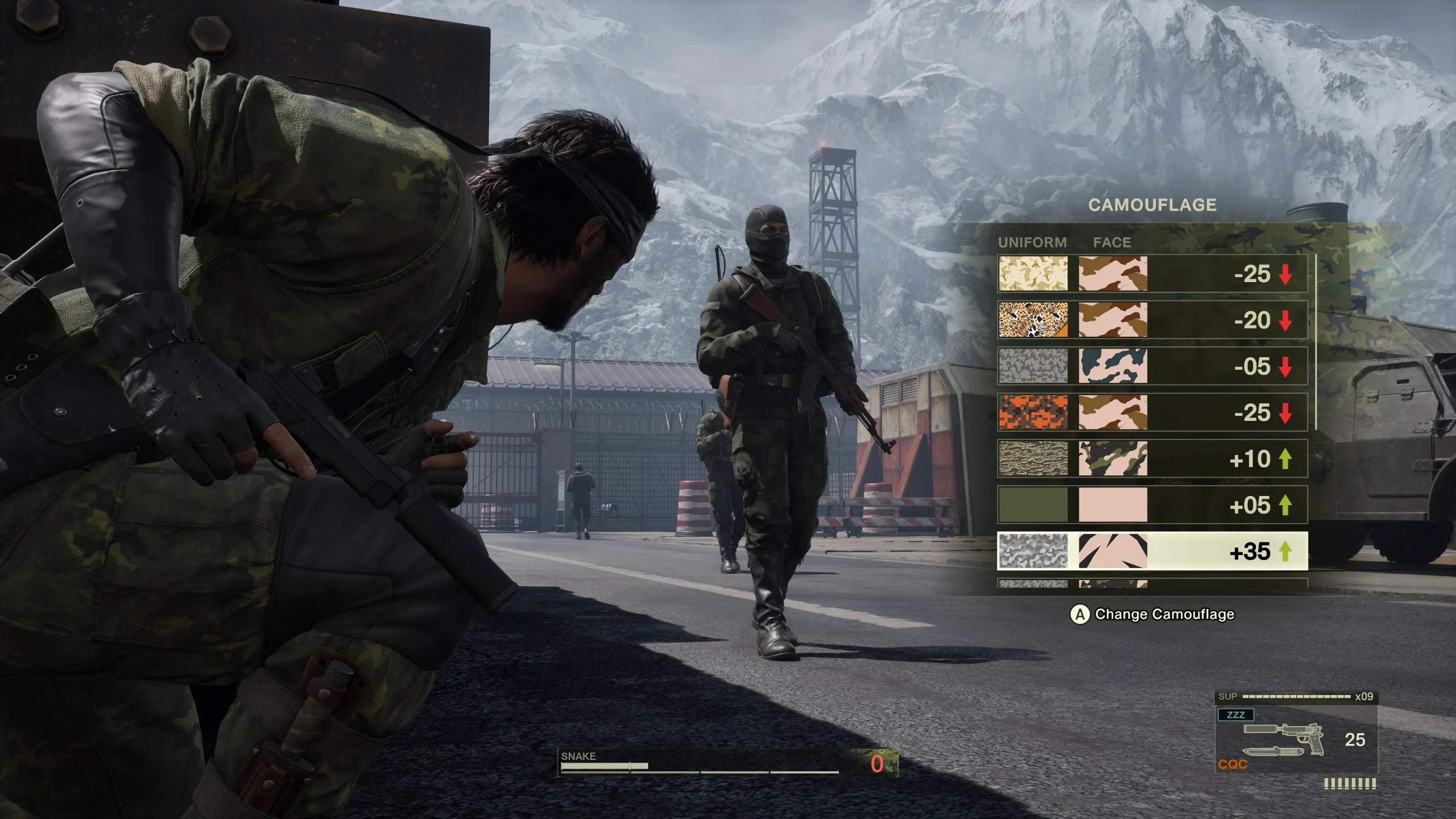
As a James Bond fan, Metal Gear Solid 3: Snake Eater, released on November 17, 2004, profoundly impacted my view of the American hero. Its self-contained narrative, centered on The Philosophers and Naked Snake’s life-or-death battle against The Boss, makes it an accessible entry point to the Metal Gear franchise. The revelation that The Boss did not betray the U.S. to the Soviets in ’64 was a particularly powerful moment. Metal Gear Solid Delta: Snake Eater arrived on August 28, 2025, promising a fresh interpretation of the classic. Released in 2025, it featured enhanced visuals and smoother gameplay compared to the 2004 original. However, it retained some dated features, such as camouflage mechanics and clunky menus, which encouraged aggressive playstyles. The simplistic enemy AI behaved like Star Wars Stormtroopers. Despite its Cold War-era espionage plot, the game’s linear structure and predictable boss encounters may disappoint some players, though fans may still appreciate the underlying geopolitical elements. Ultimately, it failed to fully capture the essence of the original.
The Enigmatic Evolution of Close Quarters Combat in Metal Gear Solid Delta
One of the main issues lies with The Boss and her Close Quarter Combat (CQC) expertise, which allows her to disarm opponents in hand-to-hand combat. Without a weapon equipped during close quarters, players must exercise caution to avoid being easily defeated. Playing Metal Gear Solid Delta years after MGS3 evoked memories of Metal Gear Solid 2: Sons of Liberty (2001) and Metal Gear Solid 4: Guns of the Patriots (2008), feeling more like a cinematic experience punctuated by limited gameplay segments.
Exploring the Enduring Narrative Impact of Metal Gear Solid Delta and Calls for Future Reboots
Despite reservations about Delta’s gameplay—specifically its outdated elements and lack of openness—the enduring importance of its narrative must be acknowledged. Kojima’s original narrative exposed U.S. clandestine activities and manipulations during the Cold War. Through characters like Volgin and Ocelot, he incorporated significant historical context related to the USSR. The story encompasses espionage, nuclear threats, children in peril, and a compelling villain who is also a heroine: The Boss. While the game ties up loose ends from the first installment, it feels somewhat rushed in Phantom Pain. Konami did justice to Kojima’s narrative, even though their partnership ended acrimoniously. This suggests a need for careful consideration in future remakes. Rather than simply upgrading graphics, we should reboot Metal Gear Solid 2 and 4 to fully explore their potential. While David Hayter’s return as Snake in MGS V was welcome, future installments should prioritize innovation. In conclusion, while Metal Gear Solid Delta offers updated graphics, it doesn’t fully capture the innovative spirit of the original, pointing to the need for more comprehensive reboots in the future.
In Case You Missed It
Midway through exploring gaming trends, let’s pause to examine a game that promised much but now finds itself entangled in controversy. Our colleague Ahmed Hassan delves deep into the troubles surrounding Convallaria, the Chinese PS5 exclusive once hailed as a global sensation (“Chinese PS5 Exclusive Enmeshed in Controversy”, Dec 31, 2025). He unravels allegations of mismanagement and threats against Loong Force developers, giving you a must-read understanding of this anticipated title’s downfall Chinese PS5 Exclusive Enmeshed in Controversy. Meanwhile, in Disney Dreamlight Valley, exciting news awaits as Carlos Mendoza reveals upcoming releases (“Disney Dreamlight Valley to Introduce Loved Characters from a 70-Year-Old Classic You Admire”, Dec 30, 2025). Spoiler alert: Lady and the Tramp’s canine duo are joining the game, celebrating seventy years of this classic film. Stay tuned for more nostalgic surprises Disney Dreamlight Valley to Introduce Loved Characters from a 70-Year-Old Classic You Admire. Lastly, anime fans can rejoice as Ahmed Hassan brings you the first trailer and release date for Dr. Stone Science Future Cour 3 (“First Trailer for Dr. Stone Science Future Cour 3”, Dec 24, 2025). Mark your calendars for April 2026 to catch this captivating continuation with English subtitles First Trailer for Dr. Stone Science Future Cour 3.
| Specification | |
|---|---|
| Official Name | Groove Coaster: Initial Initial Echo Ego |
| Brief Summary | Touhou Project music DLC for Groove CoasterTitle: Initial Initial Echo EgoArtist: RD-Sounds*Arrange from Touhou ShinreibyouDifficulty: Simple 2 / Normal 5 / Hard 8BPM: 156 |
| Genre | Music |
| Play Modes | Single player |
Have any thoughts?
Share your reaction or leave a quick response — we’d love to hear what you think!
-
 0
0
-
0
-
0
-
0
-
0
-
0


