Lawyer States That Bill Barring Children in LGBTQIA+ Events is Unconstitutional
Ariel de Castro Alves, a lawyer with the Child and Adolescent Rights Defense Commission at OAB, contends that the proposed bill restricting children and adolescents from attending LGBTQIA+ events like São Paulo's Pride Parade infringes on their constitutional rights to equality, freedom of expression, and assembly.
Jonathan Dubinski · 2 min read
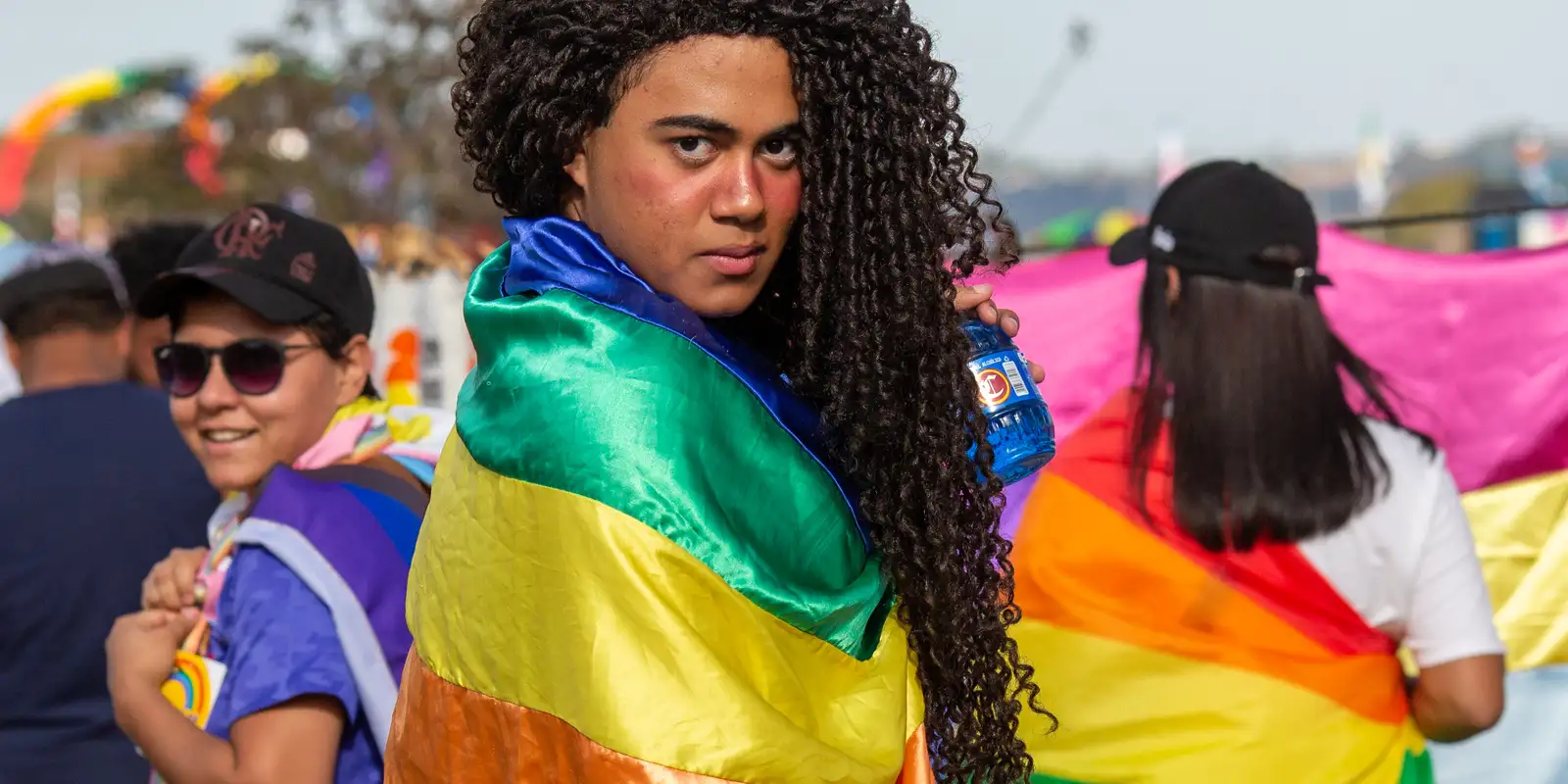
A bill proposed by councilman Rubinho Nunes (Uniao Brasil) that would ban children and adolescents from LGBTQIA events, including São Paulo's Pride Parade, has been declared unconstitutional by lawyer Ariel de Castro Alves. De Castro Alves, who is part of the Child and Adolescent Rights Defense Commission at the Federal Council of the Brazilian Bar Association (OAB), asserts that the bill contravenes the Brazilian Constitution's prohibition of discrimination and its principle of equality before the law. According to de Castro Alves, prohibiting minors from attending events like the Pride Parade, even when accompanied by parents or guardians, is unconstitutional. He previously served as the National Secretary for Children's and Adolescents' Rights and as President of CONANDA. He views the proposal as discriminatory because it fails to apply the same restrictions to other events such as Carnaval or Virada Cultural. This selective ban on LGBTQIA parades is discriminatory and unconstitutional, he told Agencia Brasil on Sunday, the 24th. De Castro Alves also pointed out that the Statute of the Child and Adolescent safeguards rights like participation, freedom of expression, culture, civic exercise, and the liberty of teenagers.
Furthermore, de Castro Alves contends that the proposed ban infringes upon freedom of speech. He explains that Pride parades serve to advance citizens' rights, possess cultural significance, attract tourists, and are listed on São Paulo's official tourist calendar. De Castro Alves believes children and adolescents require protection, necessitating rules for their participation in events. He suggests that children under 14 should not attend unaccompanied by parents or guardians, given their legal status as vulnerable individuals. However, he stresses that parents are legally permitted to bring their children to events like Pride parades to educate them about diversity, and prohibiting this action is unlawful. He recommends that organizers of São Paulo's LGBTQIA parade formalize family-friendly groups, which already exist. In his justification for the bill, councilman Rubinho Nunes stated that allowing these events to occur in open spaces could create awkward situations for parents bringing children or teenagers if they do not align with the protesters' agenda. He believes it is fair and democratic to restrict access to LGBTQIA events for children and adolescents unless a specific, controlled space is established for large crowds, thereby shielding children from potentially inappropriate content.
Proposed Law's LGBT Pride Parade Ban Challenged for Freedom of Expression and Rights Education in Federal Supreme Court
The proposed law has also drawn criticism for potentially violating freedom of expression and assembly, as the LGBT Pride Parade functions as an event for citizenship, a platform for political and social claims, and a cultural and festive occasion that draws tourism. In a separate but related development, two lawsuits filed with the Federal Supreme Court (STF) challenge a similar law in Amazonas state that bans children and adolescents from participating in LGBTQIA Pride Parades. These cases, Direct Actions of Unconstitutionality, are being overseen by Minister Gilmar Mendes. Five ministers, including Mendes, Alexandre de Moraes, Carmen Lucia, Edson Fachin, and Luis Roberto Barroso, have already voted to declare the Amazonas law unconstitutional.


// The Friday recap