Key Takeaways
Created with AI - we're still experimenting, so apologies if it misses the mark
- The dollar depreciated against the Brazilian real on October 23, while the Ibovespa stock index rose, potentially influenced by optimistic conversations between the U.S. and Iran regarding potential attacks on Iranian energy installations.
- Global commodity prices, including oil, plummeted due to these conversations, with Brent crude falling by 9.23 and WTI dropping by 8.41. This trend also affected major Wall Street indices, which rose significantly.
- The Brazilian federal government aims to strengthen its position in the energy sector to counteract global fuel price volatility, signaling a potential increase in state involvement in oil business operations. This includes President Lula da Silvas intention for Petrobras to repurchase the Refinaria de Mataripe and his advocacy for government-controlled stockpiles.
- According to an ANP survey, diesel prices in Brazil increased by 20.6% in the second week of March compared to February, reaching R$7.65 per liter. This rise in fuel costs could potentially impact the Brazilian economy and consumers.
Recommended products
This page contains affiliate links. As an Amazon Associate, we earn a commission from purchases made through these links.


On Monday, October 23, the dollar fell by 1.28, trading at R$5.2406 near 2 PM, after reaching a daily low of R$5.2146. Simultaneously, Brazil’s main stock index, the Ibovespa, rose by 2.95 to 181,422 points. Oil prices also regained focus that day after U.S. President Donald Trump announced productive conversations between the United States and Iran, leading to a postponement of potential attacks on Iranian energy installations. Consequently, commodity prices plummeted. Brent crude, the international benchmark, fell by 9.23 to $101.84 per barrel near 2 PM, after reaching $113 per barrel. Similarly, the U.S. benchmark West Texas Intermediate (WTI) suffered an 8.41 drop, trading at $89.97 per barrel at the same time. The indication of progress between Washington and Tehran also boosted stock markets, including those in the U.S., where major Wall Street indices were up by more than 1 near 2 PM.
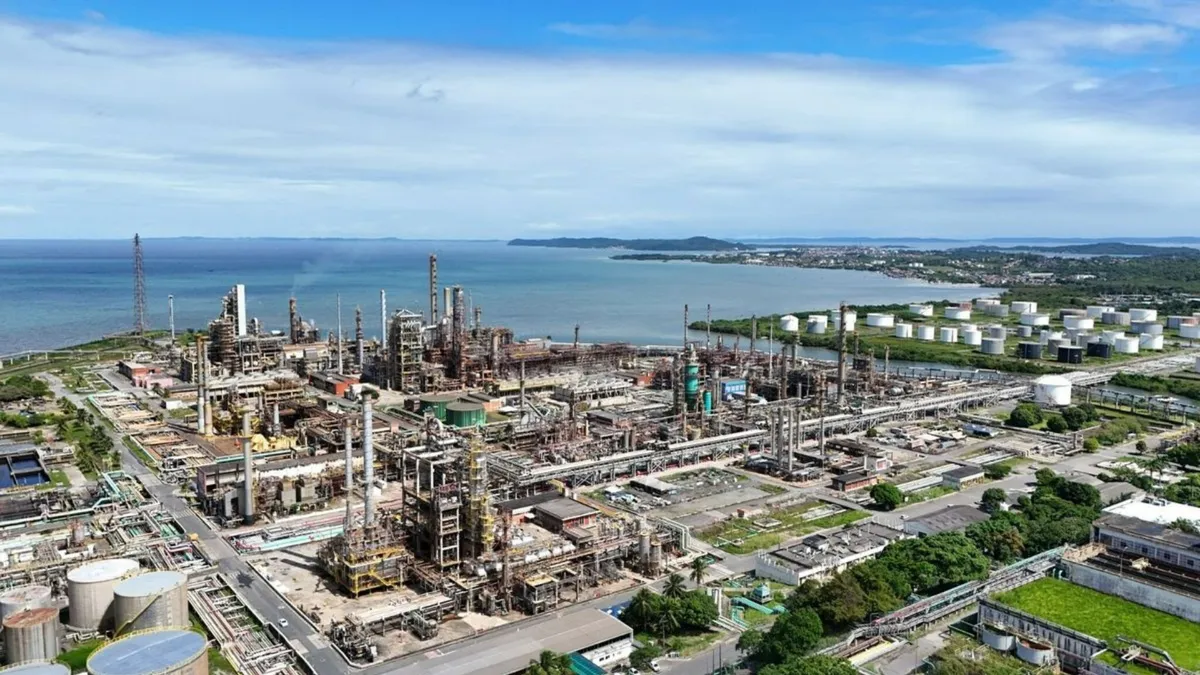
These global economic shifts come as the Brazilian federal government aims to reclaim strategic assets and bolster defenses against worldwide fuel price volatility, signaling a potential reshaping of the state’s role in the energy sector amid a volatile global landscape and internal energy security concerns. An agenda focused on boosting refining capabilities and developing price-stabilizing tools appears to balance market forces with intervention, a balance that will likely remain crucial for future regulatory and economic debates. President Luiz Inácio Lula da Silva has expressed his intention for Petrobras to repurchase the Refinaria de Mataripe and is advocating for government-controlled stockpiles in the oil and gas sector, signaling a larger role for the state in the oil business. This occurs during a period of uncertainty in the refining market, characterized by geopolitical tensions and oil price swings. The potential buyback of Acelen’s Mataripe refinery, originally named Landulpho Alves (RLAM), symbolizes a shift in Brazil’s oil refining industry after its sale in December 2021. On Friday, President Luiz Inácio Lula da Silva indicated that Petrobras might repurchase the Mataripe refinery, the first built in Brazil in 1950—before Petrobras was established. It was sold to Mubadala, which owns Acelen.
Rising Diesel Prices in Brazil Reach R$7.65 per Liter (ANP Survey)
Amidst this backdrop, a survey by the National Petroleum, Natural Gas and Biofuels Agency (ANP) revealed that diesel prices rose by 20.6 in the second week of March, compared to February 22–28, reaching R$7.65 per liter. (G1) This text does not necessarily reflect the opinion of Portal Uai.

Have any thoughts?
Share your reaction or leave a quick response — we’d love to hear what you think!
-
 0
0
-
0
-
0
-
0
-
0
-
0


