Key Takeaways
Created with AI - we're still experimenting, so apologies if it misses the mark
- The Furious is praised for its innovative martial arts choreography and cinematography, pushing the boundaries of action filmmaking and surpassing previous works such as The Raid.
- The films director, Kenji Tanigaki, utilizes the individual differences of his ensemble cast to create captivating and unique cinematic confrontations.
- The movie effectively conveys emotions through physical expression rather than relying heavily on dialogue, with standout performances from actors like Xie Miao and Joe Taslim.
- The Furious celebrates the human body as a source of entertainment, showcasing diverse martial arts styles and emphasizing authenticity in its action sequences, making it a benchmark in martial arts cinema.
Recommended products
This page contains affiliate links. As an Amazon Associate, we earn a commission from purchases made through these links.




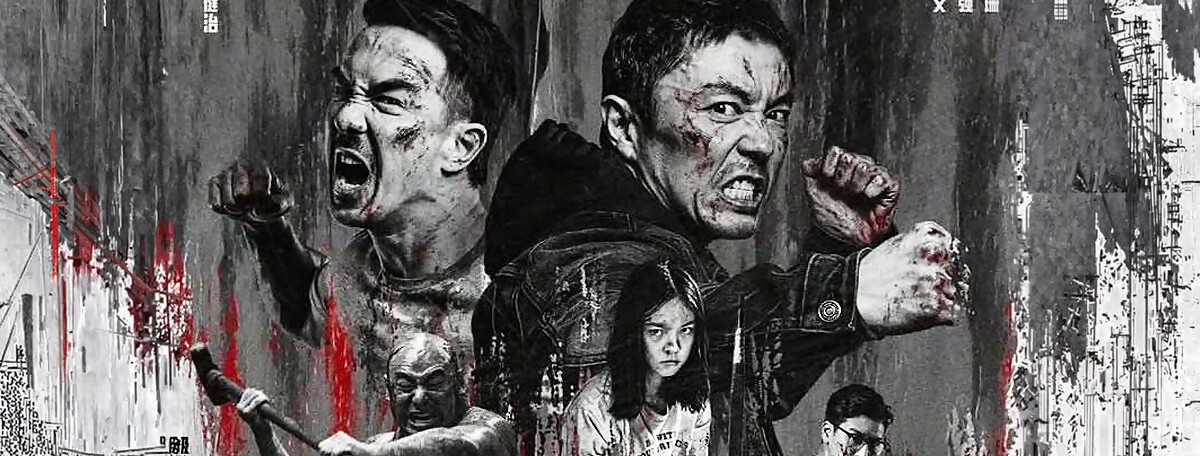
“The Furious” hailed as a groundbreaking martial arts film, surpassing “The Raid” franchise Kenji Tanigaki’s film “The Furious” is recognized as a significant achievement in martial arts cinema, pushing genre boundaries and offering a fresh approach to action filmmaking. The film has lived up to its considerable hype, delivering an impressive cinematic experience. Martial arts films captivate audiences by focusing on the visual storytelling of movement and physical performance, rather than relying solely on dialogue. “The Furious” excels in this regard, showcasing innovative techniques in capturing motion and body language that surpass the execution found in “The Raid” films. While the plot may be simple and characters somewhat familiar, the film draws inspiration from martial arts icons like Tony Jaa and the impactful style of “The Raid.” “The Furious” presents a unique blend of international influences. Filmed in Thailand as a Hong Kong production, it is directed by Japanese filmmaker Kenji Tanigaki, who is fluent in Cantonese and stars an ensemble cast of actors from across Asia. This cultural diversity is not merely a marketing point but forms the core of the film’s identity.
Tanigaki’s directorial approach is distinct. Instead of simply placing skilled fighters on camera, he leverages their individual differences—appearance, fighting style, and cultural background—to create compelling cinematic confrontations. This emphasis on preparation and creativity is what distinguishes “The Furious.” Tanigaki, a former stuntman and action coordinator with extensive experience, including years collaborating with Donnie Yen, uses movement rather than dialogue to define his characters. His work on “The Furious” represents a progression beyond the standards set by “The Raid 1 & 2” over the past two decades. The film largely eschews extensive dialogue, a deliberate choice that allows the action to take center stage. Xie Miao’s character, for instance, communicates primarily through physical expression, focusing on the core elements of a fight film. While the narrative provides straightforward motives, the emotional impact is delivered through visceral action. The performances effectively convey a range of emotions—fear, exhaustion, and pain—through physicality. Xie Miao, in particular, is praised for his ability to portray a wide spectrum of feelings using only his eyes and body.
Although “The Furious” is not driven by its storyline, the narrative provides a solid, albeit grim, context for the ensuing violence. The film’s groundbreaking fight choreography and modern action capture are central to its acclaim. Its diverse cast, featuring actors from Hong Kong, Indonesia, and Japan, brings a variety of martial arts styles that are explored cinematically. Tanigaki’s background as a stuntman and action coordinator is evident in the film’s storytelling. “The Raid,” released in 2011, set a high bar for action films with its clear, easy-to-follow fight sequences, a departure from the faster editing common in modern cinema. “The Furious” builds upon this foundation, maintaining the energy and precision of classic Hong Kong cinema while incorporating contemporary filmmaking techniques. The film’s final four-person brawl, which evolves from a two-on-two engagement into a chaotic free-for-all, exemplifies Tanigaki’s ability to maintain clarity. His meticulous attention to the fighters’ movements and spatial relationships ensures that each action is coherent and comprehensible.
The fight sequences in “The Furious” are meticulously staged, evolving from simple skirmishes to complex battles that utilize varied environments, levels, and surrounding objects. These scenes are designed to be dynamic and engaging, with elements like a mixed martial arts cage integrated into the action. The filmmakers strategically highlight objects and spatial dynamics—such as upper levels, corridors, and the cage itself—early on, foreshadowing their use in the escalating combat. This attention to detail is present in every major fight scene, which also features nods to classic martial arts films, such as the ice factory fight referencing Bruce Lee’s “The Big Boss.”
A key element that sets “The Furious” apart is its celebration of the human body as a source of entertainment. Each fight showcases not only technique but also the physical interplay and impact between combatants. Joe Taslim, a former Indonesian national judo champion, delivers a standout performance, demonstrating the power and grace of judo in a way that is both visually compelling and technically impressive. The film demonstrates that martial arts cinema can continue to innovate and evolve, proving that compelling stories can be told entirely through movement. In an era dominated by digital effects, the authentic portrayal of skilled human bodies on screen is particularly impactful.
“The Furious,” helmed by Kenji Tanigaki, outshines “The Raid” films with its fresh fight choreography and modern action capture. The diverse cast, including Jet Li’s protégé Xie Miao and Indonesian martial artists Joe Taslim and Yayan Ruhian, brings distinct combat styles that clash cinematically. Despite a simple plot, the film conveys emotions through physical expression, with Xie Miao’s performance standing out for its emotional range. The 80 minutes of fights showcase clarity of action and spatial awareness, even during chaotic scenes. Notably, judo is effectively displayed through Joe Taslim’s virtuosity. “The Furious” is hailed as a new benchmark in martial arts cinema, proving human bodies can still be spectacularly captured on screen.
Martial Arts Virtuosity: The Furious – Authentic Human Combat Elevates Cinema
Kenji Tanigaki’s “The Furious” is the martial arts film audiences have been anticipating. The film provides each actor with opportunities to showcase their cultural heritage and unique fighting styles, exceeding expectations. Its core strength lies in the dynamic interplay and movement of bodies, which tell a compelling story. Each fight scene possesses its own distinct identity, achieved through the contributions of real stunt performers, martial artists, impacts, and genuine risks, without CGI or AI. This emphasis on authenticity and the virtuosity of movement makes “The Furious” a masterclass in martial arts filmmaking, with action sequences that are fluid, dynamic, and consistently coherent.
In Case You Missed It
In a thrilling turn to our gaming lineup, Marcus Thompson explores the promising world of arcade racing in his latest article, “Played Screamer: A Highly Arcade Racing Game Featuring Street Fighter and Gears of War Elements” (published February 17, 2026). Dive into this fusion of nostalgia and innovation as Milestone brings back ’90s classic “Screamer”, now infused with Japanese anime aesthetics, fighting game mechanics, and even Gears of War-inspired features. Meanwhile, Sophie Laurent sheds light on S-game’s upcoming release Phantom Blade Zero in her recent piece, “Phantom Blade Zero: Developers Confirm No AI Used in Their Game” (published April 10th). Laurent illuminates the studio’s resolute commitment to a human-centric approach, detailing how every aspect of Phantom Blade Zero – from character modeling to weapon design and environment creation – is crafted by hand. And while we’re talking about long-running franchises, Bruno Pferd’s latest piece over at Players For Life is a must-read. Published on September 30, 2025, ‘New Simpsons Movie Confirmed: Homer Finally Schedules Time for a Second Dose’ reveals some exciting news about the beloved animated series. After almost two decades, a new Simpsons film is officially in production and set to hit theaters on July 23, 2027! Check out these articles here Played Screamer: A Highly Arcade Racing Game Featuring Street Fighter and Gears of War Elements Phantom Blade Zero: Developers Confirm No AI Used in Their Game and here New Simpsons Movie Confirmed: Homer Finally Schedules Time for a Second Dose.
| Specification | |
|---|---|
| Official Name | The Furious |
| Brief Summary | After Wang Wei's daughter is kidnapped by a criminal network and he receives no help from the corrupt police, Wei sets out to find her himself. His only ally is Navin, a relentless journalist whose wife has mysteriously disappeared. Fueled by a furious vengeance, the unlikely duo ruthlessly battle the kidnappers in this explosive martial arts showdown. |
| Released | June 10, 2026 |
| Duration | 113 minutes |
| Genre | Action, Crime, Thriller |
| Production Companies | Edko Films, XYZ Films, Zhejiang Hengdian Film Production |
| Countries of Origin | CN, HK |
| Actors | Xie Miao, Joe Taslim, Yang Enyou, Yayan Ruhian, JeeJa Yanin, Brian Le, Joey Iwanaga, Sahajak Boonthanakit, Manatsanun Panlertwongskul, Kittiphoom Wongpentak, Winai Wiangyangkung |
| Director | Kenji Tanigaki |
| Authors | Shum Kwan-Sin, Frank Hui, Mak Tin-Shu, Lei Zhilong |
| Producers | Frank Hui, Tam Chi-San, Bill Kong Chi-Keung |
| Ratings | 8/10 (1 reviews) |
| Homepage | https://www.lionsgate.com/movies/the-furious |
Have any thoughts?
Share your reaction or leave a quick response — we’d love to hear what you think!
-
 0
0
-
0
-
0
-
0
-
0
-
0


