Key Takeaways
Created with AI - we're still experimenting, so apologies if it misses the mark
- The Portuguese translation of Masters of Doom, titled Mestres de Doom, was published in October 2025 by Editora Rua do Sabão, featuring updated game art from the 2016 Doom remake and a deeper exploration of Id Softwares creation of first-person shooters.
- The book offers an in-depth look at John Romero and John Carmack, key figures in the gaming industry, particularly focusing on their contrasting artistic, emotional approach versus rational mindset in creating iconic games like Doom.
- Pedro Zambardas review highlights the translations faithfulness to the original while updating the game art, providing insight into the gaming industrys evolution over time.
- The book paved the way for similar works and offers exclusive updates on the lives of the individuals featured since its original publication in 2003, reflecting on the predictions made by John Carmack and John Romero that have since come to fruition, such as the rise of mobile gaming and games becoming cultural phenomena.
Recommended products
This page contains affiliate links. As an Amazon Associate, we earn a commission from purchases made through these links.

McFarlane Toys
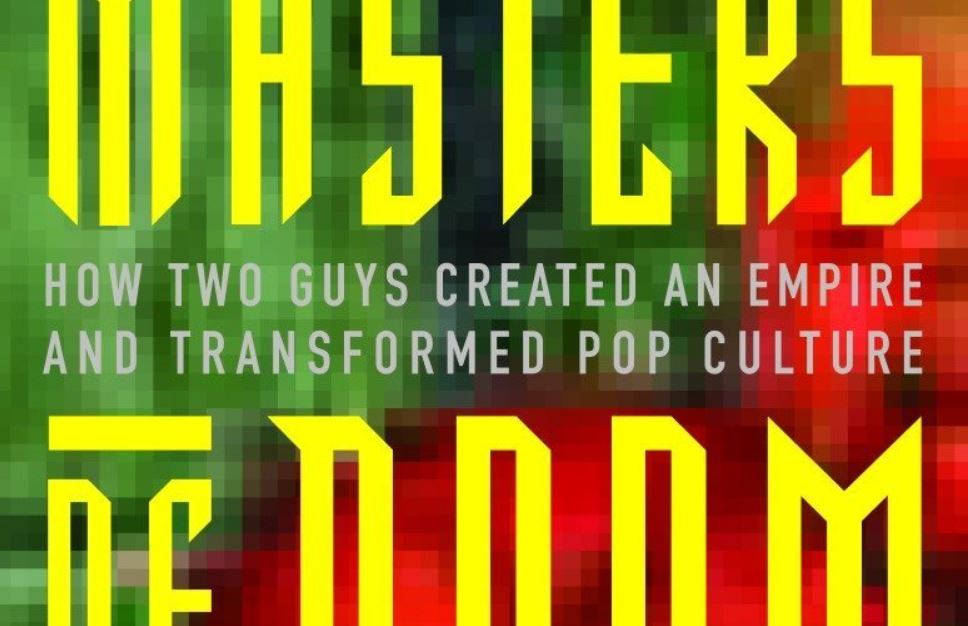
Pedro Zambarda, editor-in-chief at PlayersForLife, reviewed Mestres de Doom, the Portuguese translation of David Kushner’s 2003 book, Masters of Doom. Translated by Felipe Damorim and published by Editora Rua do Sabão on October 9, 2025, the Portuguese edition spans 383 pages, contrasting with the original’s 340 pages. Zambarda acquired an early copy in 2026 from Travessa do Shopping Villa Lobos and shared his perspective on the differences.
According to Zambarda, Editora Rua do Sabão’s version closely mirrors the original but replaces the artwork with imagery from the 2016 Doom remake—released before Doom Eternal (2020) and Doom: The Dark Ages (2025). The book explores the Doom universe of first-person shooters and references Id Software’s key figures, John Romero and John Carmack, particularly in the chapter “Of the Two Johns,” which contrasts Romero’s artistic, emotional approach with Carmack’s rational mindset.
Divided into 16 chapters, the Portuguese version of Masters of Doom remains faithful to Kushner’s narrative while updating the game art. Zambarda noted that the translation delves deeper into Romero and Carmack’s creation of first-person shooters, while accurately portraying Id Software’s processes, successes, and challenges in popularizing the genre. Masters of Doom, originally published in 2003, broke ground with its in-depth exploration of gaming history as a new medium, art form, and industry. Zambarda explains that the book paved the way for similar works that Editora Rua do Sabão hopes to bring to Brazilian readers. The translation also includes exclusive updates on the lives of the individuals featured since the original publication.
Evolution of Gaming: Pioneers Id Software and Mobile Revolution
Both John Carmack’s and John Romero’s predictions have since come to fruition. Doom III became the best-selling title in the Doom series. By that point, Romero had publicly stated his belief that mobile gaming represented the industry’s future. This proved prescient: By 2022, mobile games accounted for over half of all video game revenue. These successes include Rage, which placed players in a post-apocalyptic world evocative of Mad Max. While Rage achieved commercial and critical success, particularly for its graphics, it did not resonate as strongly as thematically similar games like Borderlands or Fallout, due to a less compelling narrative and character development. Id Software released a sequel to Rage in 2019. Games like Angry Birds and Candy Crush demonstrated their potential to become cultural phenomena, create franchises, and generate substantial wealth, similar to PC games. In summary, Pedro Zambarda’s review of Mestres de Doom highlights the translation’s faithfulness and updated visuals, offering insight into the gaming industry’s evolution.
In Case You Missed It
If you’re eager to stay up-to-date with the latest happenings in anime, gaming, and K-pop, we’ve got just the blog posts for you! First off, Ahmed Hassan’s recent update on February 19th gives JoJo’s Bizarre Adventure fans a thrilling sneak peek into Netflix’s upcoming anime adaptation of Steel Ball Run. Set to premiere on March 19th, follow Johnny Joestar and Gyro Zeppeli as they embark on an exhilarating journey through the American frontier – mark your calendars and check out Ahmed’s post here First Trailer for Steel Ball Run of JoJo’s Bizarre Adventure to witness this exciting new chapter! Speaking of exciting news, Ahmed Hassan also published an insightful article on February 13th about Sony’s plans for the God of War trilogy. Get ready for modern remakes with expected visual upgrades and revisit Kratos’ adventures by diving into Ahmed’s post here Sony Announces God of War Remake Trilogy. Meanwhile, K-pop fans can satisfy their curiosity about the future of K-pop Warriors with Marcus Thompson’s recent piece on Portal Uai. Published on February 18th, learn more about Sony Pictures Animation’s plans for a sequel based on an interview with their presidents and find out how much longer you might have to wait here K-pop Warriors Sequel May Arrive After 2029.

Have any thoughts?
Share your reaction or leave a quick response — we’d love to hear what you think!
-
 0
0
-
0
-
0
-
0
-
0
-
0


